

Remote Work with Rescue Pets: Training Tips That Actually Work

Transform your home office into a pet-friendly workspace while maintaining productivity with proven strategies
Working from home with rescue pets can be incredibly rewarding, but it requires strategic planning and consistent training to maintain productivity. As remote work continues to reshape our daily lives, many professionals are discovering that their home offices can accommodate four-legged companions – with the right approach.
Rescue pets often come with unique behavioral challenges that can initially disrupt your work routine, from separation anxiety to excessive barking during video calls. However, with patience and proven training techniques, these same pets can become your most loyal and calming office companions.
This comprehensive guide will equip you with practical strategies to successfully integrate a rescue pet into your remote work lifestyle while addressing common concerns that prevent many professionals from taking the adoption leap.
Key Takeaways
- Establish boundaries early - Create designated work zones and pet areas from day one
- Use positive reinforcement training - Reward calm behavior during work hours consistently
- Plan for adjustment periods - Most rescue pets need 2-6 weeks to adapt to new routines
- Prepare backup strategies - Have contingency plans for important calls and meetings
- Exercise is essential - Tired pets are well-behaved pets during work hours
How Long Does It Take a Rescue Pet to Adjust to Remote Work Life?
Most rescue pets require two to six weeks to fully adapt to a new home environment and work routine. During this adjustment period, expect some disruptions as your new companion learns the household rules and schedule.
The timeline varies significantly based on the pet's background. A previously house-trained dog from a loving foster home might settle in within days, while a pet with trauma history or poor socialization may need several months of patient training.
During the first week, plan for frequent interruptions and consider scheduling lighter work loads when possible. Many remote workers find success taking vacation days during the initial adoption period to focus intensively on training and bonding.
Creating a Pet-Friendly Home Office Setup
Your workspace design plays a crucial role in successful remote work with pets. Start by establishing clear physical boundaries that help your rescue pet understand where they can and cannot go during work hours.
Designated Pet Zones
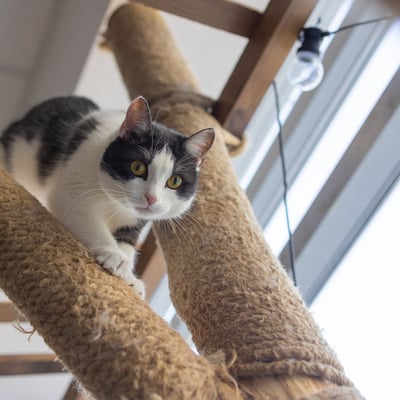
Create a comfortable pet area within sight of your desk using a dog bed, blanket, or crate. This gives your pet a specific place to settle while keeping them close enough to feel secure. For cats, consider a cat tree or window perch that provides entertainment without disrupting your keyboard.
Noise Management Solutions
- Position your desk away from windows where pets might see triggers like delivery trucks or squirrels
- Use white noise machines or soft background music to mask outside sounds
- Install blackout curtains to reduce visual distractions
- Keep a basket of quiet toys near your workspace for redirection
Essential Training Commands for Work-from-Home Success
Teaching your rescue pet specific commands tailored to remote work situations will dramatically improve your daily productivity and reduce stress for both of you.
The "Place" Command
This foundational command teaches your pet to go to their designated spot and stay there. Start by leading your pet to their bed, saying "place," and rewarding them with treats when they lie down. Gradually increase the duration before releasing them with an "okay" command.
Quiet Training for Video Calls
Training rescue dogs to remain quiet during calls requires consistent practice. Use a hand signal combined with a verbal "quiet" command. When your pet stops barking, immediately reward them. Practice this during fake calls to build the behavior before real meetings.
The "Work Time" Routine
Establish a morning routine that signals work time to your pet. This might include a walk, feeding, and then directing them to their place. Consistency helps pets understand expectations and reduces anxiety-driven behaviors.
Managing Common Remote Work Pet Disruptions
Even well-trained pets occasionally interrupt work, so having strategies ready prevents minor incidents from becoming major productivity killers.
Dealing with Doorbell and Delivery Disruptions
Rescue pets often have heightened alert responses to visitors. Train an alternative behavior by teaching your pet to go to their place when the doorbell rings instead of rushing to the door. Practice with a friend or use doorbell recordings to desensitize them gradually.
Attention-Seeking Behaviors
Many rescue pets develop attention-seeking behaviors like pawing at your leg or bringing toys during work hours. Ignore these behaviors completely and only give attention when your pet is calm and settled in their designated area.
"The key to success with rescue pets in a remote work environment is consistent routine and clear expectations. Most behavioral issues resolve within the first month with proper training."
— Dr. Patricia McConnell, Animal Behaviorist
Exercise and Mental Stimulation Strategies
A tired pet is a well-behaved pet, especially during important work tasks. Remote work pet productivity dramatically improves when pets receive adequate physical and mental stimulation before work hours begin.
Pre-Work Exercise Routines
- Schedule 20-30 minute walks before starting work
- Use puzzle toys or treat-dispensing balls during your first coffee
- Practice training commands for 5-10 minutes to engage their minds
- Consider hiring a dog walker for midday exercise if needed
Midday Mental Breaks
Use your lunch break for interactive play or training sessions. This prevents afternoon restlessness and provides a natural energy release that benefits both you and your pet. Even 10 minutes of focused interaction can prevent hours of disruptive behavior.
Frequently Asked Questions
What if my rescue pet barks during important video calls?
Keep high-value treats nearby to quickly redirect attention, use your mute button liberally, and consider scheduling crucial calls during your pet's natural nap times. Most colleagues are understanding about occasional pet interruptions.
Should I crate my pet during work hours?
Crating can be helpful for short periods, especially during the adjustment phase, but shouldn't be the primary solution. Focus on training calm behavior in the open environment rather than relying on confinement.
How do I handle pet emergencies while working from home?
Establish relationships with local veterinarians and emergency clinics before you need them. Keep a pet first-aid kit accessible and inform your employer about your pet ownership so they understand occasional urgent interruptions.
Can I adopt a high-energy breed while working remotely?
High-energy breeds can work for remote workers who commit to extensive exercise routines and mental stimulation. However, consider your work demands and whether you can provide 1-2 hours of daily exercise consistently.
Ready to Find Your New Best Friend?
Working from home provides a unique opportunity to offer a rescue pet the attention, training, and love they deserve while enriching your own daily routine. With proper preparation and training strategies, you can successfully balance professional responsibilities with pet parenthood.
Thousands of rescue pets are waiting for homes with people just like you – remote workers who can provide stability, companionship, and the patience needed for a successful transition.
-
Working Full-Time? How to Successfully Adopt a Rescue Pet
-
The 3-3-3 Rule for Rescue Dogs: Adjustment Guide
-
Rescue Pet Behavioral Issues: When to Train vs. Get Professional Help
-
Reading Rescue Dog Stress Signals: From Shelter to Home Confidence
-
 Bringing Home a Rescue Dog; Tips for a Successful First Week
Disclaimer: This blog post is intended for educational and informational purposes only and is not meant to substitute for professional advice.