


Building Your Pet Emergency Kit: Complete Disaster Preparedness Guide
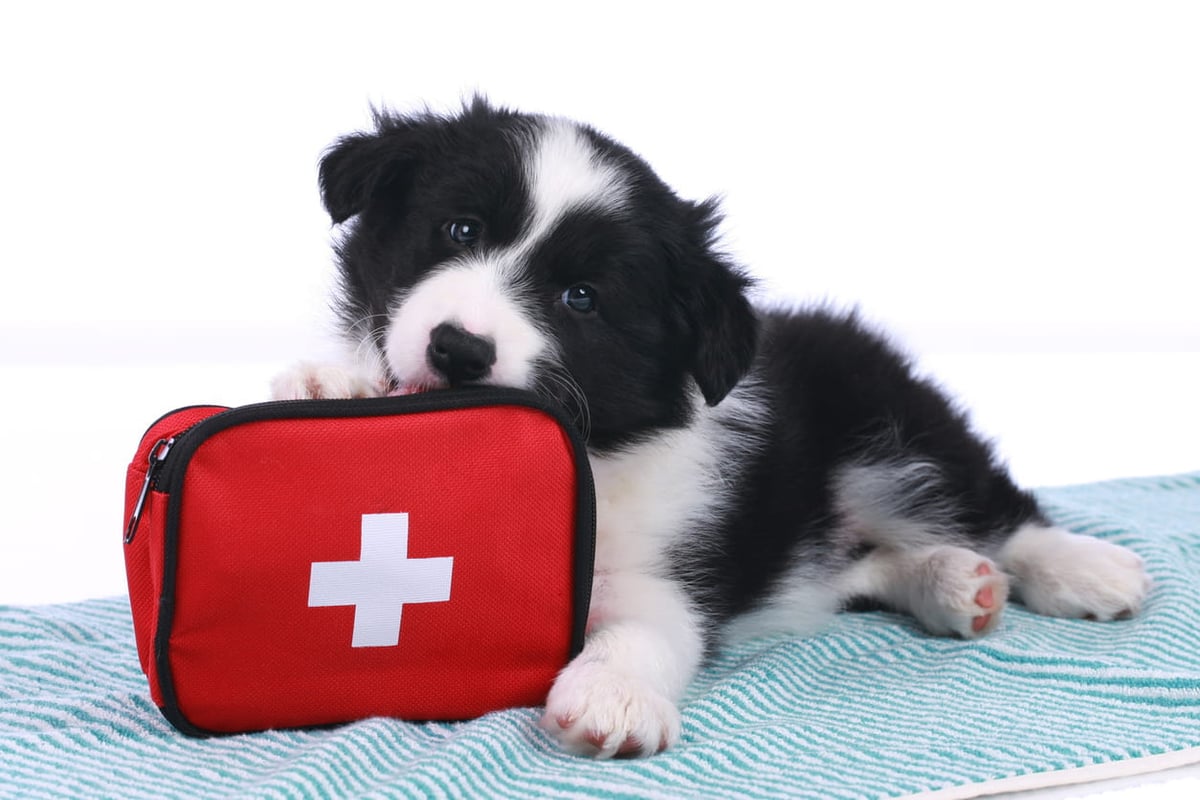
Essential supplies and planning steps to keep your furry family members safe during emergencies
Building a comprehensive pet emergency kit is one of the most important steps any pet parent can take to protect their furry family members. Natural disasters, power outages, and unexpected emergencies can strike without warning, leaving pet owners scrambling to ensure their companions' safety and wellbeing.
When disaster strikes, having a well-stocked emergency kit and detailed preparedness plan can mean the difference between keeping your pets safe and facing a potentially dangerous situation. Just as you wouldn't leave your family unprepared for emergencies, your pets deserve the same level of protection and planning.
This comprehensive guide will walk you through everything you need to know about disaster preparedness for pets, from essential supplies to evacuation strategies that ensure no family member gets left behind.
Key Takeaways
- Essential supplies - Every pet emergency kit needs food, water, medications, and comfort items for at least 3-7 days
- Important documents - Keep copies of vaccination records, photos, and contact information in waterproof storage
- Evacuation planning - Identify pet-friendly shelters and have multiple evacuation routes mapped out in advance
- Regular updates - Review and refresh your emergency kit supplies every six months to ensure everything remains current
What Should Be in Every Pet Emergency Kit?
A well-prepared pet emergency kit contains supplies to sustain your pets for a minimum of three days, though experts recommend planning for up to one week. The specific contents will vary based on your pet's species, size, and individual needs, but certain essentials apply to all companion animals.
Food and Water Essentials
Store at least three days' worth of food in airtight, waterproof containers. Dry food works best for emergency situations as it has a longer shelf life and takes up less space. Include a manual can opener if you're storing wet food, and don't forget food and water bowls that won't break during transport.
Water requirements are equally critical. Plan for one gallon of water per pet per day, stored in sturdy containers that won't leak or break. Consider water purification tablets as a backup option if you need to source water from questionable supplies.
Medical Supplies and Medications
Your pet's prescription medications should be stored in clearly labeled, waterproof containers with at least a seven-day supply. Include a first aid kit with bandages, antiseptic wipes, gauze, and any specific medical supplies your pet requires for ongoing health conditions.
How Do You Organize Important Pet Documents?
Documentation plays a crucial role in disaster preparedness for pets, especially if you become separated or need to prove ownership and vaccination status. Gather these essential documents and store copies in a waterproof, portable container.
- Current photos of your pet from multiple angles
- Vaccination records and medical history
- Registration information and proof of ownership
- Emergency contact information for your veterinarian
- Pet insurance policy details
- Microchip identification numbers
Consider storing digital copies in cloud storage that you can access from any location with internet connectivity. Having both physical and digital backups ensures you'll have access to critical information regardless of the circumstances.
What Comfort Items Should You Include?
Emergency situations create stress for pets just as they do for humans. Including familiar comfort items in your emergency kit can help reduce anxiety and provide emotional support during challenging times.
Pack your pet's favorite toy, a familiar blanket or bed that smells like home, and any special comfort items that help them feel secure. These seemingly small additions can make a significant difference in how well your pet copes with displacement and changes to their routine.
Carriers and leashes are non-negotiable items for safe transport. Ensure carriers are large enough for your pet to stand, turn around, and lie down comfortably. Label carriers with your contact information and include a recent photo of your pet attached to the outside.
How Do You Create an Evacuation Plan?
Having supplies ready means nothing without a clear evacuation plan that includes your pets. Many emergency shelters don't accept animals, so you'll need to identify pet-friendly locations in advance.
Research hotels, motels, and boarding facilities within a reasonable driving distance that accept pets during emergencies. Many businesses waive pet policies during declared disasters, but it's better to have confirmed arrangements beforehand.
Develop relationships with friends, family members, or fellow pet owners who could provide temporary housing for your animals. Create a reciprocal agreement where you'd house their pets if they faced an emergency situation.
"The key to successful pet emergency planning is preparation before you need it. When disaster strikes, you won't have time to research options or gather supplies."
— American Red Cross Emergency Preparedness Guidelines
When Should You Update Your Emergency Kit?
Regular maintenance ensures your pet emergency supplies remain fresh and effective when you need them most. Schedule kit reviews every six months, ideally when you change clocks for daylight saving time.
Check expiration dates on food, medications, and medical supplies. Rotate older items into your regular pet care routine and replace them with fresh supplies. Update photographs if your pet's appearance has changed significantly, and verify that contact information for veterinarians and emergency contacts remains current.
As your pet ages or their health needs change, adjust your emergency kit accordingly. Senior pets may require additional medications or specialized food, while puppies and kittens need age-appropriate supplies and more frequent feeding schedules.
Frequently Asked Questions
How much food should I store in my pet emergency kit?
Store at least three days' worth of food, though a seven-day supply is recommended. Calculate based on your pet's daily food intake and choose dry food when possible for longer shelf life and easier storage.
What if my pet has special medical needs?
Pets with chronic conditions require extra planning. Store additional medications, special dietary foods, and any medical equipment they need. Keep detailed medical records and emergency contact information for specialists who treat your pet.
Should I include my pet in my family's general emergency plan?
Absolutely. Your pet emergency preparedness should integrate with your family's overall disaster planning. Practice evacuation routes with your pets and ensure all family members know their roles in keeping pets safe during emergencies.
Ready to Find Your New Best Friend?
While you're preparing to keep pets safe, consider opening your home to a rescue animal who needs a loving family. Every pet deserves a prepared, caring home where they'll be protected and cherished through good times and challenging situations alike.
-
Seasonal Pet Care: Preparing Your Rescue Pet for Weather Changes
-
GPS Trackers & Smart Collars for Rescue Pets
-
Rescue Pet Medical History: Essential Guide for New Pet Parents
-
Special Needs Pet Adoption: A Guide to Caring for Disabled Dogs & Cats
-
Senior Pet Adoption: Why Older Dogs & Cats Make Perfect Companions
Disclaimer: This blog post is intended for educational and informational purposes only and is not meant to substitute for professional advice.