

Animal Shelter Volunteer Guide: Start Making a Difference Today
Discover how to begin volunteering at animal shelters and create meaningful impact for pets in need
Becoming an animal shelter volunteer is one of the most rewarding ways to make a direct impact on the lives of homeless pets. Every year, millions of dogs, cats, and other animals pass through shelter doors, each needing care, attention, and love while they wait for their forever homes.
Whether you have two hours a week or can commit to regular shifts, shelter volunteering offers meaningful opportunities to contribute to animal welfare while gaining invaluable experience and forming deep connections with both animals and fellow volunteers.
Key Takeaways
- Start with research - Contact local shelters to understand their specific volunteer needs and application processes
- Expect training - Most shelters provide comprehensive orientation covering animal handling, safety protocols, and organizational procedures
- Find your niche - Volunteer roles range from direct animal care to administrative support, events, and fostering
- Commit consistently - Regular volunteers create the most impact and develop stronger relationships with shelter staff and animals
How Do I Find the Right Shelter Volunteer Opportunity?
The first step in your animal shelter volunteer journey involves researching organizations in your area. Start by visiting local animal shelters, humane societies, and rescue groups to observe their operations and speak with current volunteers.
Each shelter operates differently, with varying volunteer requirements, training programs, and available roles. Some focus primarily on dogs and cats, while others care for small animals, farm animals, or exotic species. Consider factors like location convenience, organizational culture, and the types of animals you're most drawn to helping.
Call or email volunteer coordinators directly to schedule an informational visit. This initial conversation helps you understand time commitments, age requirements, and any physical demands associated with different volunteer positions.
What Does the Application and Training Process Look Like?
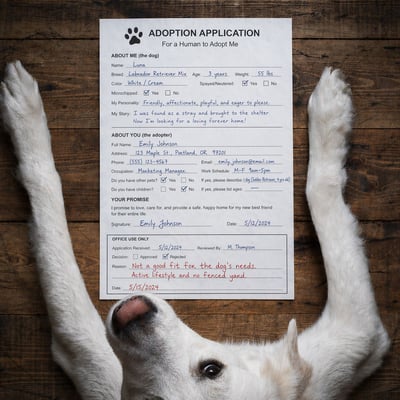
Most reputable shelters maintain structured volunteer programs with formal application processes. Expect to complete an application form detailing your experience with animals, availability, and areas of interest. Many organizations also require references and background checks.
Volunteer orientation sessions typically cover essential topics including animal behavior basics, safety protocols, shelter policies, and hands-on training for specific tasks. These sessions might span several hours or be spread across multiple visits.
Training content often includes recognizing signs of stress in animals, proper handling techniques for different species, cleaning and sanitation procedures, and emergency protocols. Some shelters also provide specialized training for activities like dog walking, cat socialization, or assisting with medical care.
What Types of Volunteer Roles Are Available?
Animal shelters offer diverse volunteer opportunities matching various skills, interests, and time commitments. Direct animal care roles include dog walking, cat socialization, grooming assistance, and helping with feeding routines.
- Animal enrichment - Creating toys, organizing play sessions, and providing mental stimulation
- Administrative support - Data entry, answering phones, updating social media, and managing adoption paperwork
- Event assistance - Helping with adoption events, fundraisers, and community outreach programs
- Transportation - Driving animals to veterinary appointments, adoption events, or foster homes
- Photography - Taking adoption photos and creating promotional materials
- Foster coordination - Supporting foster families and facilitating animal placements
Many volunteers start with basic tasks and gradually take on more specialized responsibilities as they gain experience and demonstrate reliability. This progression allows you to discover your strengths and develop expertise in areas you find most fulfilling.
How Can I Maximize My Impact as a Shelter Volunteer?
Consistency creates the greatest impact in shelter volunteering. Animals benefit from familiar faces and routines, while shelter staff can rely on regular volunteers for essential daily operations. Even committing to the same two-hour shift weekly makes a significant difference.
Focus on quality interactions with each animal. Spend time learning individual personalities, preferences, and needs. This knowledge helps you provide better care and share valuable information with potential adopters and shelter staff.
Document your observations about animal behavior, health, or special needs. Your insights as a regular volunteer often prove invaluable for matching pets with appropriate families and identifying animals requiring additional support or medical attention.
"Volunteers who commit to regular schedules and really get to know our animals become invaluable team members. They often notice behavioral changes or health issues before anyone else."
— Sarah Johnson, Volunteer Coordinator at Metro Animal Services
What Should I Expect During My First Volunteer Experience?
Your initial volunteer shifts will likely involve working alongside experienced volunteers or staff members. Don't hesitate to ask questions about animal handling, shelter procedures, or specific animal needs. Most shelters appreciate volunteers who demonstrate genuine interest in learning proper techniques.
Be prepared for emotional challenges alongside the rewards. You'll encounter animals with difficult histories, witness the stress of shelter life, and occasionally say goodbye to beloved animals. However, you'll also experience the joy of successful adoptions, behavioral breakthroughs, and the satisfaction of providing comfort to animals in need.
Start with shorter shifts to gauge your comfort level and gradually increase your commitment as you become more confident. Many successful long-term volunteers began with just a few hours monthly and expanded their involvement as their schedules allowed.
Frequently Asked Questions
Do I need prior experience with animals to volunteer at shelters?
No prior experience is necessary. Most shelters provide comprehensive training and welcome volunteers with varying experience levels. Your enthusiasm and commitment matter more than previous animal care experience.
How much time do I need to commit as an animal shelter volunteer?
Time commitments vary widely by shelter and role. Some organizations ask for minimum commitments of 2-4 hours monthly, while others prefer weekly shifts. Discuss your availability during the application process to find arrangements that work for both you and the shelter.
Can children volunteer at animal shelters?
Age requirements vary by shelter, but many welcome young volunteers with adult supervision. Some organizations offer family volunteer opportunities or specialized youth programs for teenagers interested in animal care careers.
What should I wear when volunteering at an animal shelter?
Wear comfortable, closed-toe shoes and clothes you don't mind getting dirty or damaged. Many shelters provide aprons or smocks, but check their dress code policy during orientation.
Ready to Find Your New Best Friend?
While you're making a difference through volunteer work, you might just meet your perfect companion. Many volunteers discover their ideal pet during their service, having the unique opportunity to truly get to know an animal's personality before adoption.
-
 The Hidden Joys of Fostering a Pet: What No One Tells You About This Life-Changing Experience
-
 3 Tips for Successfully Fostering a Pet
-
The Adoption Gap Is a Data Problem. WeRescue Has Spent 11 Years Solving It.
-
 Tracing the Journey: How Rescue Shelters Obtain Dogs in Need
-
 How Adoption Fees Help Support Pet Rescue Shelters and the Animals
Disclaimer: This blog post is intended for educational and informational purposes only and is not meant to substitute for professional advice.