












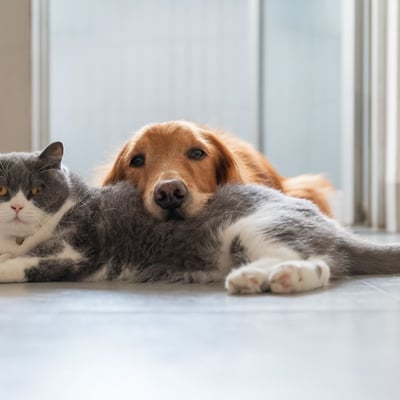
How to Introduce a Rescue Dog to Your Resident Cat
Worried your cat won't accept a new rescue dog? With the right introduction strategy, many dogs and cats learn to …
Read More →
Lovebirds are small, social, and affectionate parrots known for their playful nature and strong pair bonds, often seen sitting close and cuddling with their mates - hence the name 'Lovebird'. They are vibrant, both in personality and appearance, with a variety of color mutations. Lovebirds are intelligent and can be trained to perform tricks, but they require a lot of social interaction and mental stimulation to stay happy and healthy. They are not the best choice for first-time bird owners due to their high maintenance needs and potential for loud vocalizations.
Despite their small size, lovebirds have a loud voice and can make a variety of sounds, including chirps, squawks, and even mimicked tunes.
Before adopting a lovebird, make sure you have enough time to interact with them daily. They need a large cage with plenty of toys for mental stimulation. Lovebirds can be noisy, so consider this if you live in an apartment or have close neighbors. It's also important to find a vet who specializes in birds, as lovebirds have specific health needs.
With proper care, lovebirds can live between 10 to 15 years, although some have been known to live up to 20 years.
Lovebirds are small parrots, typically measuring between 5 to 7 inches in length from beak to tail. They are compact, with a broad, short tail.
Lovebirds are known for their playful, affectionate, and sometimes mischievous nature. They form strong bonds with their owners and can be very social, but they can also be territorial and noisy.
Lovebirds are active birds that require plenty of exercise to stay healthy. They need a large cage for flying and climbing, as well as time outside the cage for supervised play and exploration.
Lovebirds groom themselves, but they also enjoy bathing. They do not require much grooming from their owners, but their cage and accessories need regular cleaning.
With proper care, lovebirds can live between 10 to 15 years, although some have been known to live up to 20 years.
Lovebirds are generally healthy, but they can be prone to certain conditions such as feather plucking, respiratory disorders, and vitamin A deficiency. Regular vet check-ups are essential.
Lovebirds are intelligent and curious birds. They can learn to perform tricks and may even learn to mimic some sounds or whistles.
With patience and positive reinforcement, lovebirds can be trained to perform tricks and commands. However, they can also be stubborn at times.
Lovebirds are very social and form strong bonds with their owners. They thrive on interaction and can become depressed if left alone for too long.
Worried your cat won't accept a new rescue dog? With the right introduction strategy, many dogs and cats learn to …
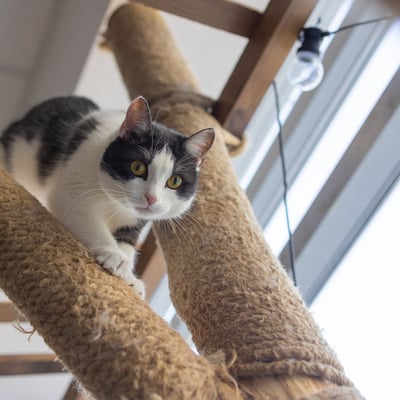
Don't let allergies stop your family from adopting a pet. Learn about hypoallergenic breeds and proven allergy management strategies.

Learn the complete vaccination schedule for your rescue pet, from puppy shots to adult boosters. Essential health timeline every new …
Every pet is an individual. For specifics on temperament and history, contact the rescue organization caring for the dog you're interested in.

No commitment. Cancel anytime.
Get ALL premium features listed above
Subscriptions will automatically renew unless canceled within 24-hours before the end of the current period. You can cancel anytime with your account settings. Any unused portion of a free trial period will be forfeited if you purchase a subscription.