













How to Introduce a Rescue Dog to Your Resident Cat
Worried your cat won't accept a new rescue dog? With the right introduction strategy, many dogs and cats learn to …
Read More →
The Ecuadorian Purple Tarantula is a fascinating breed of spider that is native to the forests of Ecuador. They are known for their striking purple coloration and relatively large size. This breed is generally docile and easy to handle, making them a popular choice for exotic pet enthusiasts. However, they do require a specific environment to thrive, including a warm, humid habitat and a diet of live insects. They are not particularly active, so they don't require much exercise, but they do need regular feeding and cleaning. Their lifespan is quite long for a spider, often living up to 20 years in captivity. They are not trainable in the traditional sense, but they can learn to recognize their owner and become accustomed to handling. They are not social creatures and prefer to live alone. Potential adopters should be aware that this breed requires a commitment to providing a suitable habitat and diet, and they should be comfortable with handling live insects for feeding.
The Ecuadorian Purple Tarantula is one of the few breeds of tarantula that is known for its striking purple coloration.
Potential adopters should be prepared to provide a warm, humid habitat and a diet of live insects. They should also be comfortable with handling a large spider and understand that this breed prefers to live alone.
Ecuadorian Purple Tarantulas have a long lifespan for a spider, often living up to 20 years in captivity.
The Ecuadorian Purple Tarantula is a medium to large-sized spider, with females reaching up to 5 inches in body length. Males are typically smaller.
This breed is generally docile and easy to handle, but they can become defensive if they feel threatened. They are not aggressive by nature.
Tarantulas are not particularly active creatures, so they don't require much exercise. However, they do need a suitable habitat with enough space to move around comfortably.
Tarantulas do not require traditional grooming. However, their habitat needs to be kept clean to prevent disease.
Ecuadorian Purple Tarantulas have a long lifespan for a spider, often living up to 20 years in captivity.
This breed is generally healthy, but they can be susceptible to mites and fungal infections if their habitat is not kept clean. They also require a diet of live insects to stay healthy.
While tarantulas are not known for their intelligence, they can learn to recognize their owner and become accustomed to handling.
Tarantulas are not trainable in the traditional sense. However, they can become accustomed to handling with regular, gentle interaction.
Tarantulas are not social creatures and prefer to live alone. They can become defensive if they feel threatened by other creatures.
Worried your cat won't accept a new rescue dog? With the right introduction strategy, many dogs and cats learn to …
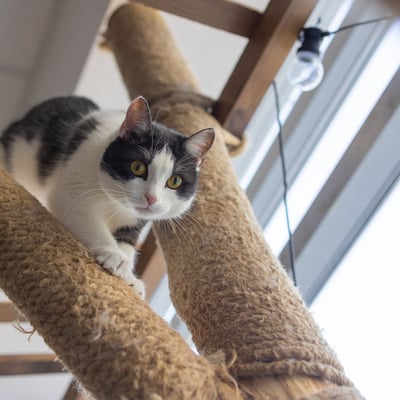
Don't let allergies stop your family from adopting a pet. Learn about hypoallergenic breeds and proven allergy management strategies.

Learn the complete vaccination schedule for your rescue pet, from puppy shots to adult boosters. Essential health timeline every new …
Every pet is an individual. For specifics on temperament and history, contact the rescue organization caring for the dog you're interested in.

No commitment. Cancel anytime.
Get ALL premium features listed above
Subscriptions will automatically renew unless canceled within 24-hours before the end of the current period. You can cancel anytime with your account settings. Any unused portion of a free trial period will be forfeited if you purchase a subscription.