













How to Introduce a Rescue Dog to Your Resident Cat
Worried your cat won't accept a new rescue dog? With the right introduction strategy, many dogs and cats learn to …
Read More →
The Desert Blond Tarantula, scientifically known as Aphonopelma chalcodes, is a large, docile spider native to the deserts of the southwestern United States. They are a popular choice for pet owners due to their calm temperament and relatively low maintenance needs. However, they are not a pet for everyone and require a specific environment to thrive. They are solitary creatures and do not require social interaction. Their lifespan is quite long, especially for females, which can live up to 30 years. They are not trainable and their intelligence is not comparable to that of mammals or birds. They do not require exercise and their grooming needs are minimal. They are generally healthy, but their environment needs to be carefully maintained to prevent health issues.
The Desert Blond Tarantula is one of the few tarantula species that can live in a dry environment. They are adapted to survive in the harsh desert conditions.
Before adopting a Desert Blond Tarantula, make sure you are prepared for a long-term commitment, especially if you are getting a female. They require a specific environment with low humidity and a hide for them to retreat to. They should be fed a diet of insects, but be careful not to overfeed. Remember, they are not social creatures and should be housed alone.
Desert Blond Tarantulas have a long lifespan. Females can live up to 30 years, while males live for around 7-10 years.
Desert Blond Tarantulas are large spiders, with females reaching up to 6 inches in leg span. Males are slightly smaller.
They are known for their docile and calm temperament. They are not aggressive and will usually prefer to retreat rather than bite.
Tarantulas do not require exercise in the same way that dogs or cats do. They will move around their enclosure as needed.
Tarantulas require minimal grooming. Their enclosure should be kept clean to prevent disease.
Desert Blond Tarantulas have a long lifespan. Females can live up to 30 years, while males live for around 7-10 years.
They are generally healthy, but their environment needs to be carefully maintained to prevent health issues. Overfeeding can lead to obesity.
Tarantulas do not have a high level of intelligence compared to mammals or birds. They operate mainly on instinct.
Tarantulas are not trainable. They do not have the capacity to learn tricks or commands.
Desert Blond Tarantulas are solitary creatures. They do not require social interaction and should be housed alone.
Worried your cat won't accept a new rescue dog? With the right introduction strategy, many dogs and cats learn to …
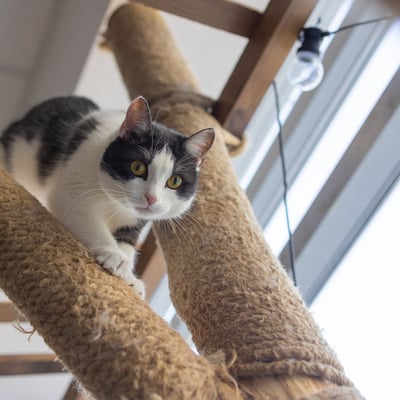
Don't let allergies stop your family from adopting a pet. Learn about hypoallergenic breeds and proven allergy management strategies.

Learn the complete vaccination schedule for your rescue pet, from puppy shots to adult boosters. Essential health timeline every new …
Every pet is an individual. For specifics on temperament and history, contact the rescue organization caring for the dog you're interested in.

No commitment. Cancel anytime.
Get ALL premium features listed above
Subscriptions will automatically renew unless canceled within 24-hours before the end of the current period. You can cancel anytime with your account settings. Any unused portion of a free trial period will be forfeited if you purchase a subscription.