













How to Introduce a Rescue Dog to Your Resident Cat
Worried your cat won't accept a new rescue dog? With the right introduction strategy, many dogs and cats learn to …
Read More →
The Colombian Pinkbloom Tarantula, also known as Pamphobeteus insignis, is a large, beautiful, and relatively docile species of tarantula that originates from the rainforests of Colombia. They are known for their striking appearance, with a dark body and vibrant pinkish-purple bloom on their abdomen. This species is generally considered a good choice for beginners due to their calm temperament, but they do require specific care and attention to thrive. They are not particularly active, and their exercise needs are minimal. However, they do require a specific habitat setup to mimic their natural environment.
The Colombian Pinkbloom Tarantula is known for its unique 'threat pose', where it raises its front legs and shows off its fangs when it feels threatened.
When adopting a Colombian Pinkbloom, it's important to provide a suitable habitat that mimics their natural environment. This includes a warm, humid enclosure with plenty of hiding spots. They should be handled with care, as they can flick urticating hairs when threatened. A diet of live insects should be provided, and uneaten prey should be removed promptly to maintain a clean habitat.
The Colombian Pinkbloom has a relatively long lifespan. Females can live up to 20 years, while males typically live for around 5 years.
The Colombian Pinkbloom is a large species of tarantula, with females reaching up to 8 inches in leg span. Males are slightly smaller, typically reaching around 6 inches.
This species is generally docile and calm, but they can be defensive if threatened. They are not typically aggressive, but they may flick urticating hairs when disturbed.
Tarantulas are not particularly active creatures, and the Colombian Pinkbloom is no exception. They do not require exercise in the same way that dogs or cats do.
Tarantulas do not require grooming. However, their habitat should be kept clean and free of uneaten prey or waste to prevent disease.
The Colombian Pinkbloom has a relatively long lifespan. Females can live up to 20 years, while males typically live for around 5 years.
This species is generally hardy and not prone to many health issues, provided they are kept in the correct conditions. However, they can be susceptible to dehydration and stress if their habitat is not properly maintained.
While tarantulas do not possess intelligence in the same way mammals do, they are capable of learning and adapting to their environment. They can recognize their keeper and respond to changes in their habitat.
Tarantulas are not trainable in the traditional sense. They are instinct-driven creatures and do not respond to training or commands.
The Colombian Pinkbloom is a solitary species and should be kept alone. They are not social creatures and can become aggressive if housed with other tarantulas.
Worried your cat won't accept a new rescue dog? With the right introduction strategy, many dogs and cats learn to …
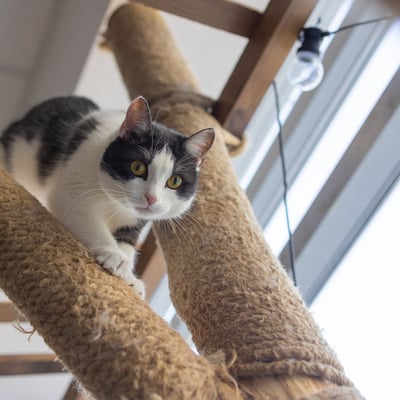
Don't let allergies stop your family from adopting a pet. Learn about hypoallergenic breeds and proven allergy management strategies.

Learn the complete vaccination schedule for your rescue pet, from puppy shots to adult boosters. Essential health timeline every new …
Every pet is an individual. For specifics on temperament and history, contact the rescue organization caring for the dog you're interested in.

No commitment. Cancel anytime.
Get ALL premium features listed above
Subscriptions will automatically renew unless canceled within 24-hours before the end of the current period. You can cancel anytime with your account settings. Any unused portion of a free trial period will be forfeited if you purchase a subscription.