













How to Introduce a Rescue Dog to Your Resident Cat
Worried your cat won't accept a new rescue dog? With the right introduction strategy, many dogs and cats learn to …
Read More →
The Brazilian Pink Tarantula, also known as the Brazilian Salmon Pink Bird-eating Tarantula, is a large and fascinating species of tarantula native to the forests of Brazil. They are known for their striking pinkish hue and their impressive size. They are generally docile and easy to handle, making them a popular choice for exotic pet enthusiasts. However, they require a specific habitat and diet, and potential adopters should be prepared for a long-term commitment as these tarantulas can live for many years.
The Brazilian Pink Tarantula is known for its unique 'flicking' behavior, where it kicks hairs from its abdomen when threatened. These hairs can cause irritation if they come into contact with skin or eyes.
Potential adopters should be prepared for a long-term commitment and should have a suitable habitat ready before adoption. They should also be comfortable with handling live prey, as these tarantulas typically eat insects and small rodents.
Brazilian Pink Tarantulas have a long lifespan. Females can live up to 15 years, while males typically live for about 4 years.
The Brazilian Pink Tarantula is one of the largest tarantulas in the world. Females can reach up to 10 inches in leg span, while males are slightly smaller.
These tarantulas are generally docile and non-aggressive, although they can be skittish and may kick hairs if threatened. They are not typically prone to biting.
As a tarantula, the Brazilian Pink does not require traditional exercise. However, they do need a sufficiently large enclosure to move around and explore.
These tarantulas require minimal grooming. Their enclosure should be kept clean and their water dish should be regularly refilled.
Brazilian Pink Tarantulas have a long lifespan. Females can live up to 15 years, while males typically live for about 4 years.
These tarantulas are generally hardy and not prone to many health issues. However, they can suffer from dehydration if their habitat is not properly maintained.
While tarantulas do not possess intelligence in the same way mammals do, they are capable of learning and adapting to their environment.
Tarantulas are not trainable in the traditional sense. However, they can become accustomed to regular handling.
Brazilian Pink Tarantulas are solitary creatures and do not require social interaction. They should be kept alone in their enclosure.
Worried your cat won't accept a new rescue dog? With the right introduction strategy, many dogs and cats learn to …
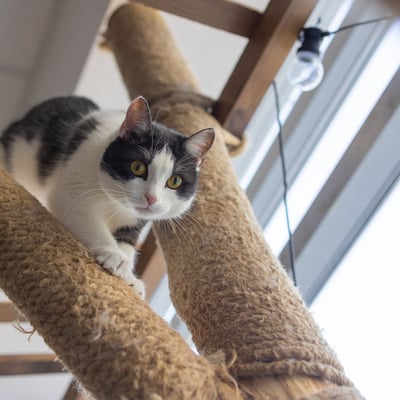
Don't let allergies stop your family from adopting a pet. Learn about hypoallergenic breeds and proven allergy management strategies.

Learn the complete vaccination schedule for your rescue pet, from puppy shots to adult boosters. Essential health timeline every new …
Every pet is an individual. For specifics on temperament and history, contact the rescue organization caring for the dog you're interested in.

No commitment. Cancel anytime.
Get ALL premium features listed above
Subscriptions will automatically renew unless canceled within 24-hours before the end of the current period. You can cancel anytime with your account settings. Any unused portion of a free trial period will be forfeited if you purchase a subscription.