













Clear The Shelters 2026: 135,000+ Adoptions and the Technology Behind Them
Clear The Shelters 2026 helped 135,000+ pets find homes. See the national results, local wins, and how WeRescue powered the …
Read More →
The Bloodhound is a large breed known for its exceptional tracking abilities, often used in search and rescue operations. They are gentle, friendly, and great with families, including children and other pets. However, they require a moderate amount of exercise to keep them healthy and happy. Grooming needs are relatively low, but their droopy ears need regular cleaning. Bloodhounds have a life expectancy of 10-12 years. They are intelligent and trainable, but their stubborn nature can make training a bit challenging. They are highly sociable and enjoy being around people and other animals.
The Bloodhound's sense of smell is so accurate that it can be used as evidence in a court of law.
When adopting a Bloodhound, it's important to consider their exercise needs and their tendency to follow scents. A secure yard or leash is necessary to prevent them from wandering off. Regular ear cleaning is also essential to prevent infections.
The average life expectancy of a Bloodhound is between 10-12 years.
Bloodhounds are a large breed. Males typically weigh between 90-110 pounds and stand 25-27 inches tall at the shoulder, while females weigh between 80-100 pounds and stand 23-25 inches tall.
Bloodhounds are known for their gentle, friendly, and affectionate nature. They are great with families, including children and other pets. They are also known for their patience and kindness.
Bloodhounds require a moderate amount of exercise to keep them healthy and happy. They enjoy long walks and have a strong instinct to follow scents, so a secure yard or leash is necessary.
Bloodhounds have a short, dense coat that requires minimal grooming. However, their droopy ears need regular cleaning to prevent infections.
The average life expectancy of a Bloodhound is between 10-12 years.
Bloodhounds are generally healthy but can be prone to certain conditions like hip and elbow dysplasia, heart conditions, and ear infections.
Bloodhounds are highly intelligent, particularly when it comes to tracking scents. They are often used in search and rescue operations because of their exceptional tracking abilities.
Bloodhounds are trainable, but their stubborn nature can make training a bit challenging. They respond best to positive reinforcement techniques.
Bloodhounds are highly sociable and enjoy being around people and other animals. They are not known to be aggressive or overly protective.
Clear The Shelters 2026 helped 135,000+ pets find homes. See the national results, local wins, and how WeRescue powered the …

Worried your cat won't accept a new rescue dog? With the right introduction strategy, many dogs and cats learn to …
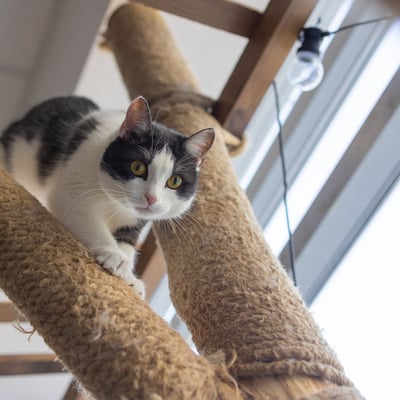
Don't let allergies stop your family from adopting a pet. Learn about hypoallergenic breeds and proven allergy management strategies.
Every pet is an individual. For specifics on temperament and history, contact the rescue organization caring for the dog you're interested in.

No commitment. Cancel anytime.
Get ALL premium features listed above
Subscriptions will automatically renew unless canceled within 24-hours before the end of the current period. You can cancel anytime with your account settings. Any unused portion of a free trial period will be forfeited if you purchase a subscription.