Special Needs Pet Adoption: A Guide to Caring for Disabled Dogs & Cats
Discover the joy of adopting special needs pets and learn practical care tips for disabled animals
Special needs pet adoption opens doors to some of the most rewarding relationships between humans and animals. Disabled dogs and cats often wait longer in shelters, not because they're less loving or capable, but because potential adopters worry about the challenges of caring for pets with physical or medical limitations.
The truth is that special needs pets adapt remarkably well to their circumstances and can live full, joyful lives with the right support. Whether you're considering adopting a blind cat, a three-legged dog, or a senior pet with chronic conditions, understanding their needs and capabilities will help you make an informed decision that could save a life.
Key Takeaways
- Special needs pets adapt quickly - Most disabled animals learn to navigate their world with surprising ease
- Care costs vary widely - Many conditions require minimal ongoing expenses beyond regular vet care
- Adaptive equipment helps - Wheelchairs, ramps, and other tools can dramatically improve quality of life
- Emotional rewards are immense - These pets often form exceptionally strong bonds with their adopters
What Qualifies as a Special Needs Pet?
Special needs pets encompass a wide range of conditions, from obvious physical disabilities to invisible chronic illnesses. Physical disabilities include blindness, deafness, limb amputations, paralysis, and mobility issues from conditions like hip dysplasia or spinal injuries.
Medical conditions such as diabetes, epilepsy, heart disease, and kidney problems also qualify pets as special needs. Senior pets, typically those over seven years old for dogs and ten for cats, often fall into this category due to age-related health concerns.
Importantly, many of these conditions don't significantly impact a pet's ability to be a loving companion. A three-legged dog can still fetch, play, and cuddle just as enthusiastically as any four-legged friend.
How Do You Care for a Disabled Dog or Cat?
Caring for disabled pets often requires more patience than expense. Mobility-impaired animals benefit from consistent routines and safe environments. Remove obstacles like loose rugs that could cause falls, and consider installing baby gates to prevent access to stairs if your pet has balance issues.
For blind or deaf pets, maintain consistent furniture placement and use verbal cues or hand signals for communication. Blind cats quickly memorize their territory, while deaf dogs often become excellent at reading body language and visual commands.
- Create safe spaces - Use pet gates and remove hazards
- Establish routines - Consistent feeding, walking, and play times reduce anxiety
- Invest in adaptive equipment - Wheelchairs, harnesses, and ramps as needed
- Monitor health closely - Regular vet checkups become even more important
What Equipment Do Special Needs Pets Require?
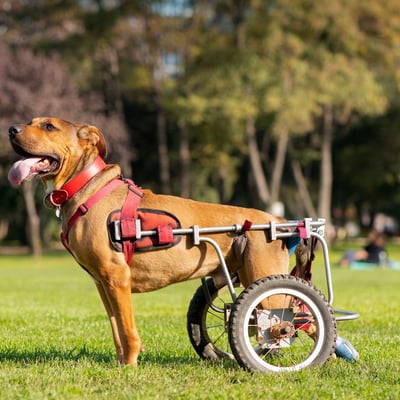
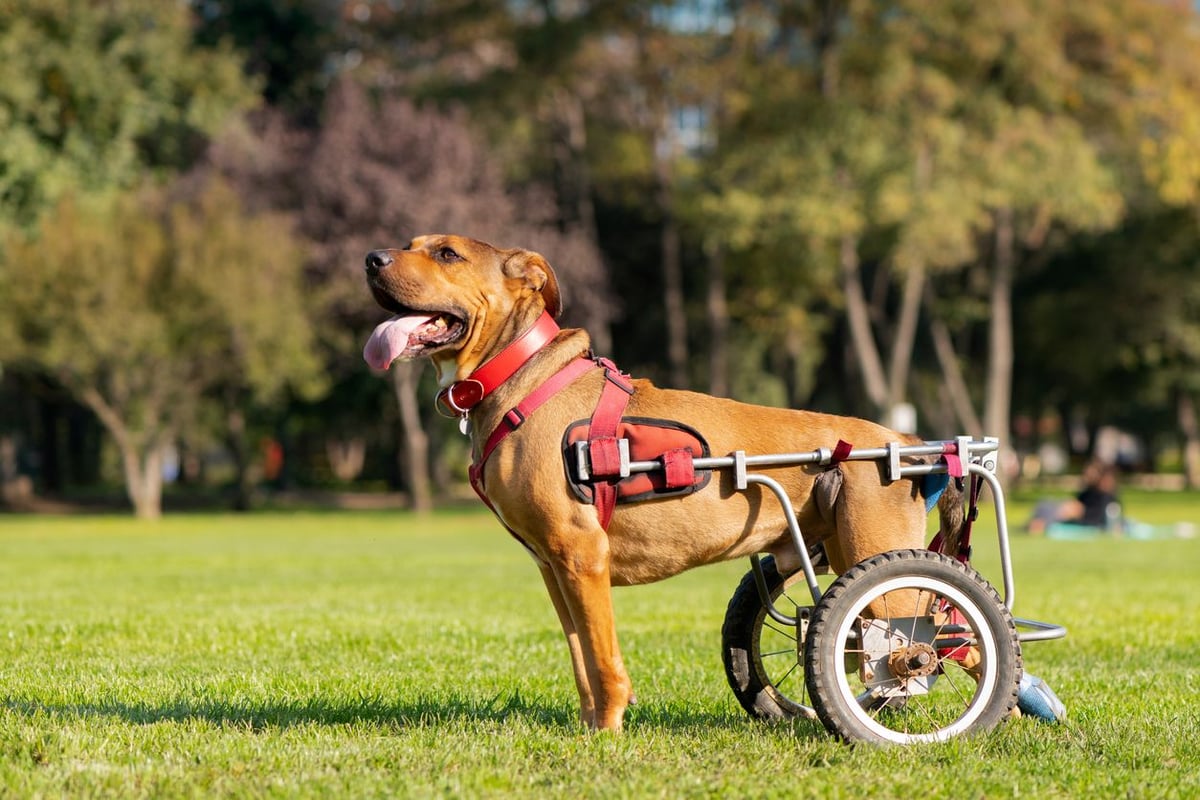
The good news is that adaptive pet equipment has become increasingly sophisticated and affordable. Mobility aids like wheelchairs for paralyzed pets typically cost between $200-600, while simpler solutions like supportive harnesses range from $30-100.
For pets with vision problems, textured mats can mark important areas like food bowls, and bells on your clothing help them locate you. Raised food and water bowls assist pets with neck or back problems, while non-slip surfaces prevent falls for those with balance issues.
Many everyday items work perfectly as adaptive aids. Pool noodles attached to sharp furniture corners prevent injuries, while yoga mats provide traction on slippery floors.
Are Special Needs Pets More Expensive to Care For?
While some special needs pets do require ongoing medical expenses, many cost no more than typical pets after the initial adaptation period. One-time costs like wheelchairs or ramps represent the largest expense for most mobility-impaired animals.
Chronic conditions requiring daily medication, such as diabetes or epilepsy, do increase monthly expenses by $30-100 typically. However, many disabilities like limb amputations or sensory impairments require no ongoing medical costs beyond regular veterinary care.
"The biggest investment is usually time and patience, not money. These animals are incredibly resilient and adapt faster than most people expect."
— Dr. Sarah Mitchell, Veterinary Rehabilitation Specialist
Why Should You Consider Special Needs Pet Adoption?
Special needs pets often display remarkable resilience and gratitude that creates exceptionally strong human-animal bonds. These animals seem to understand they've been given a second chance and often become incredibly devoted companions.
From a practical standpoint, special needs pets tend to be calmer and more settled than younger, high-energy animals. A senior dog with mild arthritis might be perfect for someone wanting a gentle walking companion rather than a jogging partner.
You'll also be saving a life that might otherwise be overlooked. Special needs pets wait an average of three times longer for adoption than healthy animals, despite having just as much love to give.
Frequently Asked Questions
How long do special needs pets typically live?
This varies greatly depending on the condition. Many disabilities like limb amputations don't affect lifespan at all, while some chronic conditions may shorten it. Your veterinarian can provide specific guidance based on the individual pet's health status.
Can special needs pets live with other animals?
Absolutely! Most special needs pets interact normally with other pets. In fact, companion animals often help disabled pets navigate their environment and can provide emotional support during the adjustment period.
Do special needs pets require special training?
Basic obedience training works the same way, though you might need to adapt your methods. Deaf dogs learn hand signals instead of verbal commands, while blind pets rely more on verbal cues and consistent routines.
What's the best special needs pet for first-time adopters?
Senior pets with mild conditions like arthritis or minor vision problems often make excellent first special needs adoptions. They're typically well-trained, calm, and require minimal adaptations to your home.
Ready to Find Your New Best Friend?
Special needs pets are waiting right now for families who will see past their disabilities to the loving companions they truly are. These remarkable animals have so much love to give and are simply looking for someone to give them a chance.
Disclaimer: This blog post is intended for educational and informational purposes only and is not meant to substitute for professional advice.