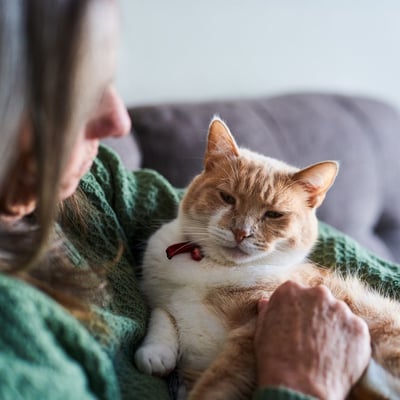
Post-Adoption Support: When & How to Contact Your Rescue Shelter

Build a lasting relationship with your rescue shelter for the best outcomes for you and your pet
Post-adoption support from your rescue shelter can make the difference between a successful forever home and a returned pet. Many new pet parents assume their relationship with the rescue ends when they walk out the door, but the best shelters want to maintain ongoing connections to ensure both you and your furry friend thrive together.
Understanding when and how to contact your rescue shelter creates a safety net for your adoption journey. This ongoing relationship not only benefits your pet's wellbeing but also helps reduce the stress and uncertainty that comes with welcoming a new family member.
Key Takeaways
- Most adjustment issues are normal - Contact your shelter within the first 2-3 weeks for guidance
- Behavioral concerns warrant immediate communication - Don't wait if safety is involved
- Regular check-ins strengthen the relationship - Share positive updates to build trust
- Emergency support is often available 24/7 - Know your shelter's crisis contact information
The First 30 Days: Your Most Critical Period
The initial month after adoption represents the most crucial time for post-adoption support. During this adjustment period, both you and your new pet are learning to navigate life together, and challenges are completely normal.
Most reputable rescue organizations expect to hear from new adopters within the first two weeks. This isn't because they doubt your abilities—it's because they understand that even the most prepared pet parents encounter unexpected situations.
Common first-month concerns include house training accidents, separation anxiety, interactions with existing pets, and sleep disruptions. Your rescue shelter has likely seen these exact issues hundreds of times and can offer targeted solutions based on your specific pet's background.
When Should You Contact Your Rescue Shelter?
Immediate Contact Situations
- Aggressive behavior toward humans or other pets
- Severe separation anxiety causing property damage
- Complete refusal to eat for more than 24 hours
- Signs of illness or injury
- Escape attempts or successful escapes
Within 48-72 Hours Contact Situations
- House training regression after initial success
- Excessive vocalization disturbing neighbors
- Destructive chewing beyond normal exploration
- Difficulty integrating with children or existing pets
- Major changes in personality or energy levels
How to Effectively Communicate with Your Rescue
When reaching out for pet adoption help, the way you communicate can significantly impact the quality of support you receive. Start by gathering specific information about the situation rather than general concerns.
Document behavioral patterns with dates, times, and triggers. For example, instead of saying "my dog is anxious," explain "my dog paces and whines from 8-10 AM on weekdays when I'm getting ready for work, and has chewed two pairs of shoes left by the door."
Most shelters prefer initial contact through their established channels—whether that's email, a dedicated adoption support phone line, or an online portal. Follow their preferred communication method first, then escalate to phone calls if the situation requires immediate attention.
What Support Services Do Rescue Shelters Typically Offer?
Modern rescue organizations have evolved far beyond simple pet placement services. Many now offer comprehensive rescue shelter contact programs designed to support adopters throughout their pet's lifetime.
Common Support Services Include:
- Behavioral consultation - Phone or video sessions with certified trainers
- Training resource libraries - Access to videos, guides, and recommended local trainers
- Medical guidance - Connections to veterinarians familiar with your pet's history
- Emergency fostering - Temporary care during family emergencies
- Discounted services - Reduced rates for training, grooming, or boarding
Some larger organizations even offer "adoption ambassadors"—experienced volunteers who provide one-on-one guidance during the first few months of adoption.
Building a Long-Term Relationship with Your Rescue
The most successful adoptive families treat their relationship with the rescue as an ongoing partnership rather than a one-time transaction. This approach benefits everyone involved and creates a support network that lasts your pet's lifetime.
Share positive updates regularly, even when things are going well. Send photos of your pet settling in, reaching training milestones, or simply enjoying life in their new home. These updates help rescue staff feel confident in their placement decisions and provide encouragement during challenging days.
Consider becoming involved in the rescue community through volunteering, fostering, or participating in adoption events. This deeper involvement often leads to enhanced support services and priority access to resources when you need them.
Frequently Asked Questions
Will contacting my rescue make them think I'm a bad pet owner?
Absolutely not. Responsible rescue organizations want to hear from adopters and view proactive communication as a sign of good pet ownership. They'd much rather help you work through challenges than have you struggle in silence.
How long after adoption can I still contact my rescue for support?
Most rescues offer lifetime support for their adopted pets. While the intensity of support may vary over time, you should always feel comfortable reaching out if concerns arise, even years after adoption.
What if my rescue doesn't offer post-adoption support?
If your rescue lacks formal support services, ask if they can recommend local trainers, behaviorists, or veterinarians familiar with rescue pets. Many shelters maintain referral networks even if they don't provide direct services.
Ready to Find Your New Best Friend?
At WeRescue, we connect you with rescue organizations committed to providing ongoing support throughout your adoption journey. Our featured shelters understand that successful adoptions require more than just matching pets with families—they require building lasting relationships.
Disclaimer: This blog post is intended for educational and informational purposes only and is not meant to substitute for professional advice.