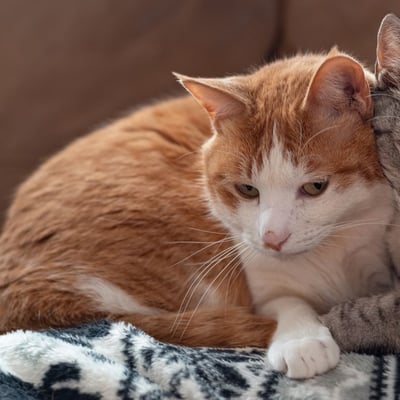
Pet Grief Support: Helping Your Rescue Pet Mourn a Lost Companion

Recognizing signs of grief and providing comfort when your rescued pet loses their friend
Pet grief support becomes crucial when your rescue pet loses a beloved companion. Whether it's the loss of another pet in your household, a neighborhood friend, or even their previous owner, rescued animals can experience profound mourning that affects their behavior, appetite, and overall well-being.
Understanding how pets process loss is essential for providing the right support during this difficult time. Rescue pets may be particularly vulnerable to grief due to previous experiences with loss or abandonment, making your compassionate response even more important for their emotional healing.
Key Takeaways
- Pets experience genuine grief - showing behavioral changes similar to human mourning
- Signs include appetite loss, lethargy, and searching behaviors - lasting days to months
- Maintain routines and provide extra comfort - consistency helps healing
- Professional help may be needed - for severe or prolonged grief responses
How Do Rescue Pets Experience Grief?
Rescue pets form deep emotional bonds with their companions, whether human or animal. When these relationships are severed by death, pets experience genuine grief reactions that mirror many human responses to loss.
Research from the American Society for the Prevention of Cruelty to Animals shows that over 60% of dogs and 70% of cats exhibit behavioral changes following the death of a companion animal. These changes can include decreased activity, altered sleep patterns, and changes in vocalization.
Rescue pets may be especially susceptible to grief due to their history of previous losses or trauma. Their heightened sensitivity to change can make the mourning process more intense or prolonged than pets who have lived in stable environments their entire lives.
What Are the Signs Your Rescue Pet Is Grieving?
Recognizing grief symptoms early allows you to provide appropriate support. Common behavioral changes in grieving pets include:
- Appetite changes - refusing food or eating significantly less
- Sleep disruption - sleeping more than usual or experiencing restlessness
- Searching behaviors - looking for their lost companion in familiar places
- Vocalization changes - excessive whining, howling, or unusual quietness
- Social withdrawal - avoiding interaction with family members or other pets
- Activity level changes - decreased interest in play, walks, or favorite activities
Some pets may also exhibit regressive behaviors, such as house training accidents or separation anxiety, as they struggle to cope with the loss of their companion's comforting presence.
How Can You Support Your Grieving Rescue Pet?
Providing effective grief support requires patience, consistency, and understanding. Maintaining familiar routines is one of the most important steps you can take to help your pet feel secure during this uncertain time.
Maintain Daily Structure
Keep feeding times, walk schedules, and bedtime routines as consistent as possible. This predictability helps reduce anxiety and provides a sense of normalcy when everything else feels uncertain.
Provide Extra Comfort and Attention
Increase your presence and offer gentle comfort without overwhelming your pet. Some animals seek more physical contact during grief, while others prefer quiet companionship. Follow your pet's lead and respect their comfort preferences.
Create Positive Distractions
Gradually introduce enjoyable activities to help redirect your pet's focus. Short, gentle walks, puzzle toys, or calm play sessions can provide mental stimulation and emotional relief without overwhelming a grieving pet.
When Should You Seek Professional Help?
While grief is a natural process, some situations warrant professional intervention. Contact your veterinarian if your pet shows severe symptoms or if grief symptoms persist beyond several weeks without improvement.
Warning signs that require immediate attention include complete food refusal for more than 24-48 hours, signs of dehydration, aggressive behavior changes, or extreme lethargy that prevents normal functioning.
A veterinary behaviorist can help develop a specialized treatment plan for pets experiencing complicated grief. This may include behavior modification techniques, environmental changes, or in some cases, short-term medication to help manage severe anxiety or depression.
Should You Consider Getting Another Companion?
The decision to introduce a new pet should be made carefully and only after your current pet has had adequate time to process their loss. Most experts recommend waiting at least several weeks to months before considering a new addition.
Signs that your pet may be ready for a new companion include renewed interest in activities, stable eating and sleeping patterns, and positive interactions with other animals during walks or visits. However, remember that a new pet cannot replace the lost companion but rather represents a new relationship.
When you do decide to expand your family, consider adopting from a shelter or rescue organization. Many wonderful pets are waiting for homes, and your rescued pet may find comfort in helping another animal find safety and love.
Frequently Asked Questions
How long does pet grief typically last?
Pet grief duration varies widely, typically lasting anywhere from a few days to several months. Most pets begin showing signs of recovery within 2-6 weeks, though some may take longer depending on the strength of their bond with the lost companion.
Can I show my pet their deceased companion's body?
Some behaviorists believe allowing pets to see their deceased companion can provide closure, but this varies by individual pet. If you choose to do this, keep the interaction brief and supervise closely for signs of distress.
Do rescue pets grieve differently than other pets?
Rescue pets may experience more intense or prolonged grief due to previous experiences with loss or abandonment. Their grief responses might be more complex, but with proper support, they can heal and form new bonds successfully.
Ready to Find Your New Best Friend?
If you're considering adding a new companion to help your family heal, or if you're ready to open your heart to a pet in need, WeRescue connects loving families with rescued animals looking for their forever homes. Every adoption saves a life and creates space for another rescue.
Disclaimer: This blog post is intended for educational and informational purposes only and is not meant to substitute for professional advice.