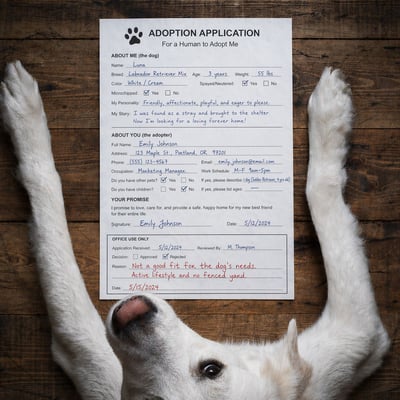
Pet Adoption Rejection: 7 Reasons Why Applications Get Denied
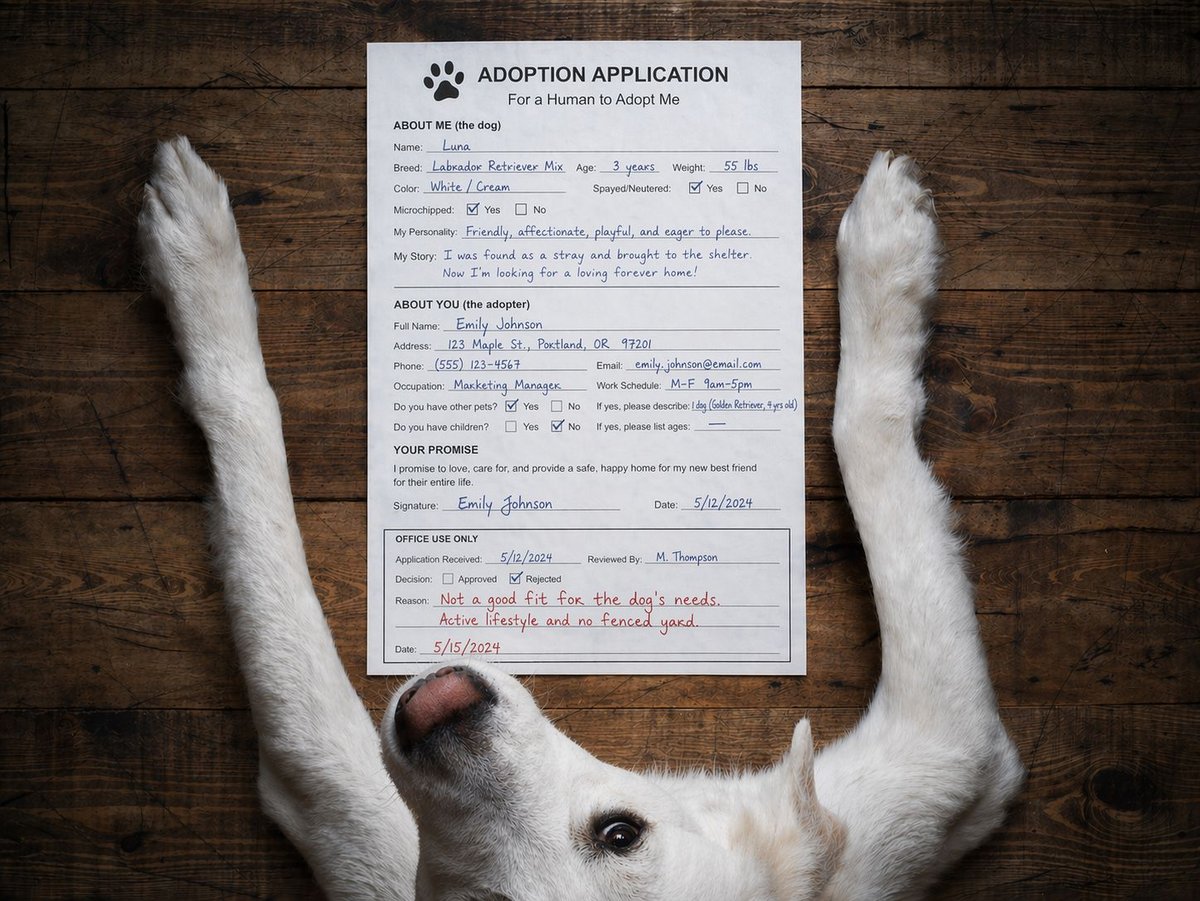
Learn why shelters say no and how to strengthen your application for successful pet adoption
Pet adoption rejection affects nearly 40% of first-time applicants, leaving hopeful families heartbroken and confused about what went wrong. While shelters and rescues want to find loving homes for their animals, they also have a responsibility to ensure each placement is successful for both pet and family.
Understanding why applications get denied isn't about pointing fingers—it's about helping you prepare a stronger application that showcases why you'd be an amazing pet parent. Let's explore the most common reasons for rejection and how to address them proactively.
Key Takeaways
- Incomplete applications are the #1 reason for immediate rejection
- Housing restrictions and landlord approval issues cause 25% of denials
- Lifestyle mismatches with pet needs lead to well-intentioned rejections
- Veterinary history gaps raise red flags for rescue organizations
- Financial preparedness questions help ensure long-term pet care
- Timing concerns like upcoming moves or life changes affect decisions
- Reference issues can derail otherwise strong applications
1. Incomplete or Rushed Applications
The most preventable reason for rejection is submitting an incomplete application. Rescue organizations receive hundreds of applications monthly, and incomplete ones are often discarded immediately to focus on serious candidates.
Common oversights include leaving contact information blank, skipping questions about previous pets, or providing vague answers like "good with kids" without specifics. Take time to thoughtfully complete every section, even if questions seem repetitive.
Pro tip: Draft your application in a separate document first, then copy responses into the online form to avoid losing work due to technical issues.
2. Housing and Landlord Approval Issues
Housing-related rejections account for roughly 25% of denials, especially in urban areas. Many rescues require written landlord approval before proceeding, even for pet-friendly properties, because verbal agreements can change.
If you rent, contact your landlord before applying to confirm pet policies, weight limits, breed restrictions, and any required deposits. Get approval in writing, including specific details about the type of pet you're seeking.
For homeowners, be prepared to explain your yard setup, fencing situation, and how you'll keep pets safe. Photos of your space can strengthen your application significantly.
3. Lifestyle and Schedule Mismatches
Well-meaning families often fall in love with pets whose needs don't match their lifestyle. A high-energy Border Collie requires vastly different care than a senior cat, and rescues prioritize long-term compatibility over emotional appeals.
Be honest about your activity level, work schedule, and experience with different pet types. If you work 10-hour days, acknowledge this and explain your plan for exercise, companionship, or pet care services.
Consider the pet's age, energy level, and special needs realistically. Sometimes rescues will suggest alternative pets that better match your situation—view this as helpful guidance, not rejection.
4. Veterinary History Red Flags
Your track record with previous pets speaks volumes about future pet care. Gaps in veterinary care, surrendering pets to shelters, or "rehoming" animals raise immediate concerns for rescue organizations.
If you've never owned pets, emphasize your research and preparation. If you've had pets before, be transparent about what happened to them. Natural deaths, documented medical decisions, and unavoidable circumstances are understandable.
Provide your veterinarian's contact information and authorize them to discuss your pet care history. Consistent preventive care, up-to-date vaccinations, and addressing medical issues promptly demonstrate responsible ownership.
5. Financial Preparedness Concerns
Pet ownership costs extend far beyond adoption fees. Annual pet expenses average $1,500-$3,000, with emergency veterinary bills potentially reaching thousands more. Rescues want assurance you can provide lifelong care.
While you don't need to share detailed financial information, demonstrate awareness of pet care costs. Mention your emergency fund, pet insurance plans, or budgeting for routine veterinary care.
If finances are tight, consider starting with lower-maintenance pets or waiting until you're more financially stable. Rescues appreciate honest self-assessment over optimistic promises.
How Can Timing Issues Affect Your Application?
Major life changes—moving, new babies, job transitions, or planned vacations—often result in application delays or rejections. Rescues prefer stable periods for pet transitions, as stressed pets need consistent routines.
If you have upcoming changes, explain your timeline and preparation plans. For example, if you're moving, provide details about your new home and how you'll help your pet adjust.
Sometimes waiting a few months results in better outcomes for everyone involved. Use the time to research, prepare supplies, and create the ideal environment for your new family member.
7. Reference and Background Check Problems
Personal and professional references provide insight into your character and reliability. Problems arise when references don't respond, give lukewarm recommendations, or contradict information in your application.
Choose references who know you well and will respond promptly. Notify them about your application and what organizations might ask. Include a mix of personal and professional contacts who can speak to your responsibility and commitment.
Some rescues conduct home visits or background checks. View these as opportunities to demonstrate your preparation and genuine interest in providing excellent care.
Frequently Asked Questions
Should I apply to multiple rescues simultaneously?
Yes, but be transparent about other applications. Many rescues understand this practice and appreciate honesty about your timeline and preferences.
Can I reapply if my application gets rejected?Absolutely. Address the reasons for rejection, wait an appropriate amount of time, and submit a stronger application. Many successful adoptions happen on second or third attempts.
How long does the adoption process typically take?
Processing times vary from 24 hours to several weeks, depending on the organization's size, volunteer availability, and thoroughness of screening procedures.
Moving Forward After Rejection
Rejection stings, but it's often protection for both you and the pet. Use feedback constructively to strengthen future applications rather than taking decisions personally.
Stay connected with rescues that interest you. Volunteer, attend events, or foster animals to build relationships and demonstrate commitment. Many successful adoptions begin with involvement in the rescue community.
Remember that the right match is worth waiting for. A thoughtful placement process leads to lifelong bonds and reduces the heartbreak of returns or surrenders.
Ready to Find Your New Best Friend?
Armed with this knowledge, you're prepared to submit a compelling adoption application that showcases your commitment to responsible pet ownership. The perfect companion is waiting for a family just like yours.
-
Pet Adoption Timeline: Your Complete Guide from Application to Home
-
How to Create a Pet Resume to Beat Rental Breed Restrictions
-
Working Full-Time? How to Successfully Adopt a Rescue Pet
-
 How Much Is That Doggie In The Window? The True Cost of Owning A Dog
-
Pet Adoption Contracts Explained: Your Rights & Responsibilities
Disclaimer: This blog post is intended for educational and informational purposes only and is not meant to substitute for professional advice.