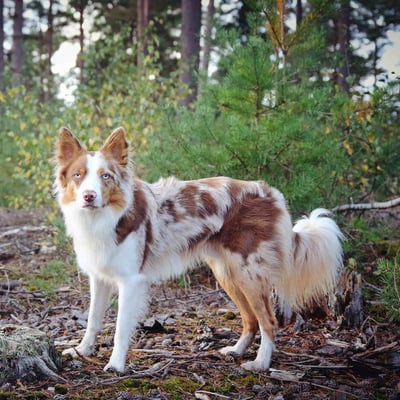
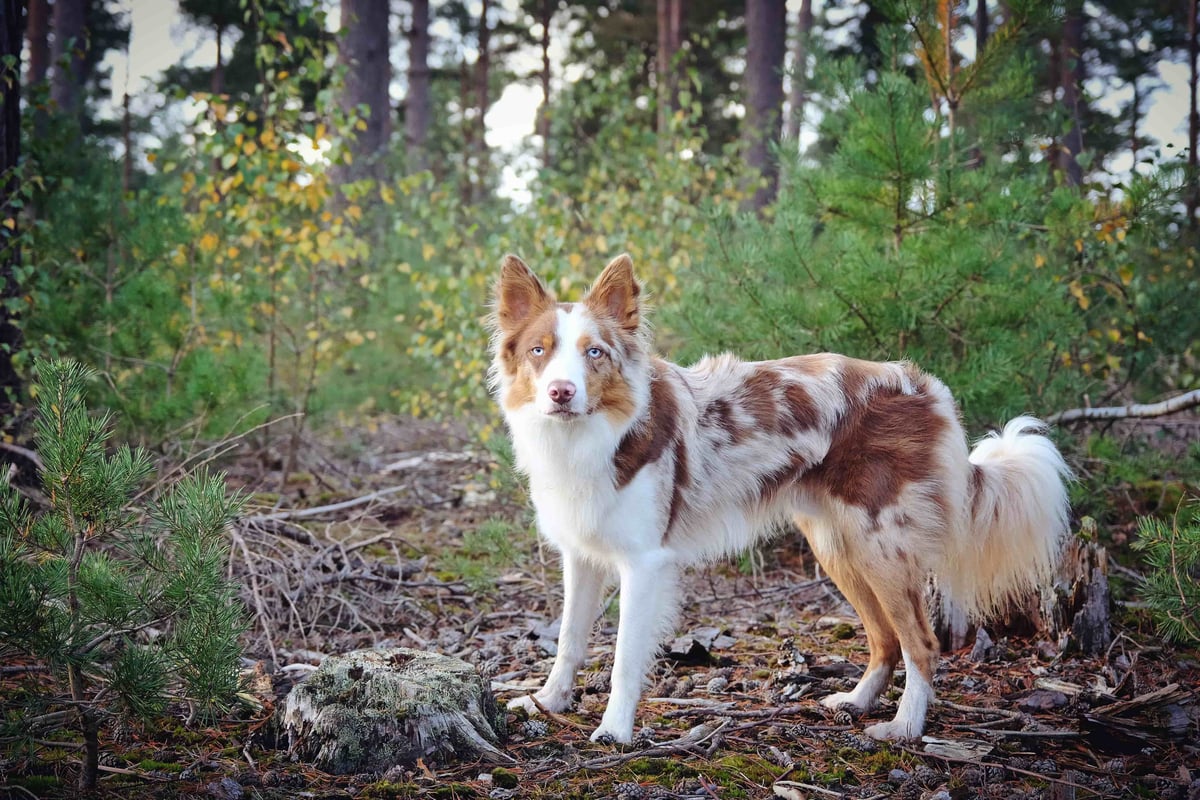
That stunning Australian Shepherd with the mesmerizing blue eyes. The alert Border Collie who seems to understand your every word. The compact Blue Heeler with energy that could power a small city. Herding breeds are undeniably captivating—and they're well-represented in shelters and rescues across the country. But before you fall for those intelligent eyes and eager-to-please personalities, you need to understand what you're signing up for. These dogs were bred to work all day, every day, and that heritage comes with both extraordinary rewards and significant challenges. Here's your honest guide to deciding if a herding breed rescue is right for you.
Understanding the Herding Group
The herding group encompasses dogs originally bred to control the movement of livestock—sheep, cattle, goats, and other animals. These breeds didn't just assist farmers; they were essential workers whose intelligence, endurance, and problem-solving abilities meant the difference between a productive day and chaos. That working heritage is deeply embedded in their DNA, and it doesn't disappear just because your "flock" consists of kids, cats, and the occasional squirrel.
What makes herding dogs unique isn't just their energy level—plenty of breeds have energy. It's their combination of high intelligence, intense focus, sensitivity to movement, strong work ethic, and deep desire to control their environment. A herding dog doesn't just want to run; they want to run with purpose. They don't just want to play; they want a job. Understanding this fundamental drive is the key to determining whether a herding breed will thrive in your home or struggle against an environment that doesn't meet their needs.
Common Herding Breeds You'll Find in Rescue
While there are dozens of breeds in the herding group, certain breeds and their mixes appear frequently in shelters and rescue organizations. Each has its own personality quirks and specific needs, though they share many core traits.
Border Collie
Often called the Einstein of the dog world, the Border Collie is widely considered the most intelligent dog breed. They use intense eye contact—called "the eye"—to control livestock, and that same laser focus can be directed at anything that moves. Border Collies require substantial mental and physical stimulation, with most needing at least two hours of active engagement daily. Without appropriate outlets, they can develop compulsive behaviors like shadow chasing, obsessive ball fixation, or relentless herding of family members. They typically weigh 30-45 pounds and stand 18-22 inches tall, with either rough or smooth coats in various color combinations.
Australian Shepherd
Despite their name, Aussies were developed in the American West to work cattle on ranches. They're slightly larger and more muscular than Border Collies, typically 40-65 pounds and 18-23 inches tall, often with striking merle coats and sometimes heterochromia (two different colored eyes). Aussies tend to bond closely with multiple family members (compared to the Border Collie's tendency to fixate on one person) and may adapt somewhat more easily to family life—but they still require at least 90 minutes of vigorous daily exercise and significant mental stimulation.
Australian Cattle Dog (Blue Heeler/Red Heeler)
These compact, muscular dogs were bred to control cattle by nipping at their heels—hence the name "Heeler." They're tough, independent, and possess seemingly boundless stamina. Blue Heelers are known for their distinctive speckled coats and their tendency to be more reserved with strangers than other herding breeds. They require 1-2 hours of vigorous exercise daily and are particularly prone to developing behavioral issues if understimulated. Their strong-willed nature means they need experienced, consistent handling.
German Shepherd
Originally bred as tending dogs who acted as "living fences" to keep sheep from straying, German Shepherds have evolved into versatile working dogs used in police, military, and service roles. They're larger than most herding breeds (50-90 pounds) and require extensive training, socialization, and mental stimulation. Their high intelligence and loyalty make them exceptional companions for the right owner, but their needs are frequently underestimated.
Shetland Sheepdog (Sheltie)
Don't let their smaller size (15-25 pounds) fool you—Shelties are herding dogs through and through. They're vocal, alert, and often sensitive to environmental stimuli. While they may need slightly less physical exercise than larger herding breeds, they still require substantial mental engagement and can become problem barkers if bored or anxious.
Pembroke and Cardigan Welsh Corgis
These low-riders were bred to herd cattle by nipping at their heels while ducking flying hooves. Their short stature is functional, not decorative. Corgis are surprisingly athletic and require more exercise than their size suggests—typically an hour or more daily. They can be stubborn, vocal, and possess strong herding instincts despite their compact frames.
Collie (Rough and Smooth)
Made famous by Lassie, Collies are generally considered among the more adaptable herding breeds for family life. They're sensitive, loyal, and typically gentler than some of their herding cousins. However, they still require regular exercise and mental stimulation, and rough-coated Collies need significant grooming.
Why Herding Breeds End Up in Shelters
Herding breeds consistently appear on lists of dogs frequently found in shelters, and understanding why helps illustrate what these dogs truly need. The primary reasons are predictable once you understand the breed group's characteristics.
The most common factor is underestimated exercise and stimulation needs. Many people are drawn to these breeds' beauty and intelligence without fully grasping that a Border Collie or Australian Shepherd requires more than a daily walk around the block. When exercise needs aren't met, these dogs become destructive, neurotic, or develop problem behaviors—and frustrated owners feel they have no choice but to surrender.
Behavioral issues stemming from boredom represent another major surrender reason. A herding dog without a job will create one—and that job might involve obsessive barking, destroying furniture, digging craters in your yard, or incessantly herding your children by nipping at their heels. These aren't character flaws; they're symptoms of unmet needs.
Additionally, herding instincts can be problematic in households unprepared for them. The nipping behavior that's functional when moving cattle is alarming when directed at toddlers or houseguests. The intense stare that controls sheep can unnerve other pets or family members. These behaviors are deeply ingrained and while they can be managed and redirected, they cannot be eliminated entirely.
Finally, living situations often change in ways incompatible with high-energy dogs. A move from a house with a yard to an apartment, a new baby demanding time and attention, a change in work schedule—all of these can make it difficult to meet a herding dog's substantial needs.
The Rewards: Why Herding Dogs Are Worth It
For the right owner, herding breeds offer an experience unlike any other in the dog world. Their intelligence isn't just impressive—it's transformative. These dogs don't just learn commands; they understand concepts. They anticipate your needs, solve problems, and engage with training at a level that makes every session feel like a genuine partnership.
The loyalty herding breeds offer is profound. Once bonded, these dogs are devoted companions who want to be involved in everything you do. They're not aloof or independent in the way some breeds are; they genuinely care about their people and show it constantly. That Border Collie following you from room to room isn't being clingy—they're doing what generations of breeding programmed them to do: staying connected to their handler.
For active individuals and families, herding dogs are unparalleled adventure partners. They have the stamina for long hikes, the athleticism for running or biking, and the drive to keep going when other dogs would quit. If you dream of a dog who can match your active lifestyle mile for mile, you'll find a kindred spirit in a herding breed.
These dogs also excel at canine sports and activities. Agility, flyball, disc dog, herding trials, obedience competitions, rally, scent work—herding breeds dominate in activities that require intelligence, trainability, and athletic ability. If you're interested in competing with your dog or simply want structured activities to share, herding breeds are built for it.
Finally, the bond that develops when you successfully meet a herding dog's needs is deeply satisfying. There's something special about channeling all that intelligence and energy into positive outlets and watching your dog thrive. The work is real, but so is the reward.
The Challenges: What You Need to Know
Honesty about challenges is essential when considering a herding breed rescue. These dogs are not for everyone, and adopting one without preparation often ends badly for both dog and owner.
Exercise Requirements Are Non-Negotiable
Most herding breeds require a minimum of 1-2 hours of vigorous exercise daily—and that's the floor, not the ceiling. This means more than a leisurely walk; it means running, hiking, swimming, or intense play. Rain, snow, work deadlines, and exhaustion don't change your dog's needs. If you can't commit to this level of activity consistently, a herding breed will struggle in your care.
Mental Stimulation Is Equally Important
Physical exercise alone won't satisfy a herding dog. These breeds need their minds worked as much as their bodies. Training sessions, puzzle toys, nose work games, and problem-solving activities must be part of daily life. A tired herding dog is only half the equation; a mentally fulfilled one is the other half.
Herding Behaviors Can Be Problematic
Expect your herding dog to exhibit herding behaviors: stalking, staring, circling, and nipping at heels. These instincts can be redirected but not eliminated. If you have young children who run and squeal, other pets who trigger chase responses, or a low tolerance for being "herded" yourself, this may not be the right breed group for you.
Sensitivity Requires Thoughtful Handling
Herding breeds are highly attuned to their environment and to human emotions. This sensitivity makes them responsive to training but also means they can become anxious or reactive in chaotic environments. Loud households, unpredictable schedules, or harsh training methods can create serious behavioral problems in these dogs.
Barking Can Be Excessive
Many herding breeds are vocal—it's part of how they were designed to work. Shelties, Collies, and Australian Shepherds in particular are known for barking at stimuli. If you live in an apartment or have noise-sensitive neighbors, this tendency requires serious consideration and management.
They Can Be Reserved with Strangers
While some herding breeds are friendly with everyone, many—particularly Australian Cattle Dogs and German Shepherds—can be aloof or suspicious of strangers. Proper socialization is crucial, but some wariness may persist regardless. If you want a dog who greets every visitor with enthusiasm, certain herding breeds may disappoint.
Are You the Right Fit? A Self-Assessment
Before falling in love with a herding breed at the shelter, honestly assess whether your lifestyle can accommodate their needs.
A herding breed might be right for you if: You have an active lifestyle with 1-2+ hours daily for vigorous exercise. You enjoy training and want a dog who can learn complex behaviors. You have experience with dogs or are committed to working with a professional trainer. Your living situation includes space for a dog to move—ideally a securely fenced yard. You find the idea of canine sports, hiking, or other structured activities appealing. You're patient with behaviors like barking and herding that require management rather than elimination. You work from home or can provide midday exercise/stimulation, or you're prepared to invest in quality daycare. Children in your household are old enough to understand appropriate interaction with dogs.
A herding breed might not be right for you if: Your schedule is unpredictable or you work long hours away from home. You prefer a more independent, low-maintenance dog. Your exercise consists mainly of short daily walks. You have very young children who run and shriek. Other pets in your home are easily stressed by being chased or stared at. You live in an apartment with thin walls and noise-sensitive neighbors. You're looking for a calm, relaxed companion rather than an active partner.
Tips for Adopting a Herding Breed Rescue
If you've determined that a herding breed fits your lifestyle, here's how to set yourself up for success.
Ask about the dog's history and known behaviors. Shelters and rescues can provide valuable information about how the dog behaves, why they were surrendered, and what they might need. A dog surrendered because their owner couldn't meet their exercise needs is very different from one surrendered for aggression.
Spend time with the dog before committing. Walk them. Play with them. See how they respond to different stimuli. Ask if you can do a trial period or foster-to-adopt arrangement. Herding breeds in shelter environments may appear calmer than they'll be once comfortable in your home—the decompression period can reveal their true energy level.
Prepare your home and schedule before adoption. Have puzzle toys, a securely fenced exercise area (or a plan for leashed exercise), and a daily routine mapped out. Know where you'll take them for off-leash exercise. Research local trainers who specialize in herding breeds.
Plan for professional training. Even experienced dog owners benefit from working with trainers who understand herding breed behavior. Group classes provide socialization; private sessions address specific challenges. Budget for this as part of your adoption expenses.
Be realistic about the adjustment period. Many herding dogs in rescue have been surrendered specifically because their needs weren't met. They may come with behavioral baggage that takes time, patience, and consistent work to address. The 3-3-3 rule applies, but some herding dogs need longer to show their true personalities and settle into new routines.
Activities and Outlets for Herding Breeds
Successfully living with a herding breed means channeling their instincts into appropriate outlets. Here are proven ways to satisfy their needs.
Herding balls (like the Collieball or Jolly Egg) let your dog "herd" something without involving children or other pets. Many herding dogs become obsessed with these in the best way, getting both physical exercise and instinctual satisfaction.
Agility training combines physical activity with mental challenge and handler communication—everything a herding breed craves. You don't need to compete; backyard agility setups provide excellent enrichment.
Treibball ("urban herding") involves pushing large exercise balls into a goal, simulating livestock work without livestock. Many herding breeds take to it naturally.
Nose work and scent games tire herding dogs mentally in ways that physical exercise alone cannot. Hide treats around the house, teach them to find specific objects by scent, or pursue formal scent work training.
Obedience and trick training provide mental stimulation while strengthening your bond. Herding breeds can learn hundreds of words and complex behavior chains—challenge them.
Hiking, running, and biking meet physical exercise needs while exploring new environments that provide mental stimulation through novel sights, sounds, and smells.
Puzzle feeders and food-dispensing toys turn mealtimes into mental challenges. For a herding breed, working for their food is more satisfying than eating from a bowl.
The Bottom Line
Herding breeds are extraordinary dogs—intelligent, loyal, athletic, and deeply bonded to their people. They're also demanding, high-energy, and prone to behavioral issues when their needs aren't met. The dogs who end up in shelters often aren't "problem dogs"—they're dogs whose needs exceeded what their previous owners could provide.
If you have the lifestyle, energy, and commitment to meet a herding breed's substantial needs, you'll be rewarded with one of the most engaged, responsive, and devoted companions the dog world has to offer. If you're honest with yourself about your limitations and realize a herding breed isn't the right fit, that self-awareness protects both you and the dog from a challenging mismatch.
The shelters have plenty of herding breeds waiting for the right homes. Make sure you're truly ready to be that home before you fall for those intelligent, eager eyes.
Ready to find your perfect match? Browse adoptable dogs on WeRescue and filter by breed to explore herding dogs—and every other breed—looking for their forever homes.