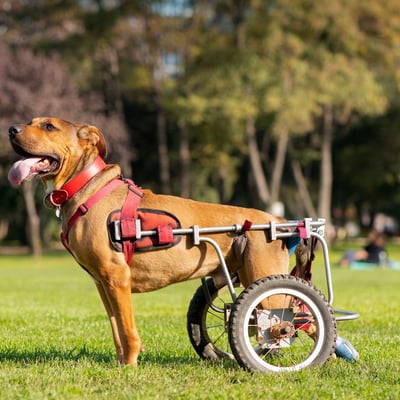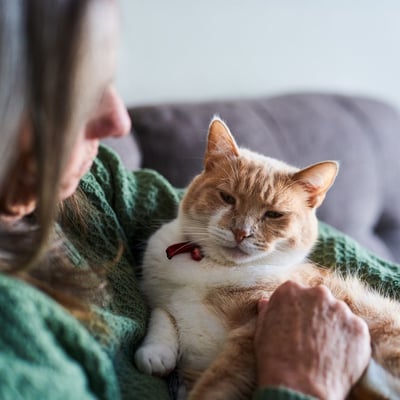
Bringing home a rescue dog or cat is one of the most rewarding experiences—but it often comes with an adjustment period. If your newly adopted pet seems nervous, has digestive issues, or struggles to settle in, the answer might be hiding in an unexpected place: their gut. Welcome to the fascinating world of the gut-brain connection in pets, where probiotics and functional nutrition are helping anxious rescues find their calm.
Understanding Anxiety in Rescue Dogs and Cats
Rescue animals often carry invisible baggage. Whether they experienced neglect, multiple rehoming situations, or simply the stress of shelter life, these experiences leave lasting impressions on both their minds and bodies. Common signs of anxiety in rescue pets include:
- Excessive barking, whining, or meowing
- Destructive behavior when left alone (separation anxiety)
- Hiding or cowering
- Loss of appetite or digestive upset
- Pacing, trembling, or restlessness
- House training regression
While behavioral training and patience are essential, emerging research suggests that supporting your rescue pet's gut health may be a powerful complementary approach to easing their transition stress.
The Gut-Brain Axis: How Your Pet's Belly Affects Their Mood
You've probably heard the phrase "trust your gut" or experienced butterflies in your stomach when nervous. These aren't just expressions—they reflect the very real connection between the digestive system and the brain. Scientists call this the gut-brain axis, and it exists in dogs and cats just as it does in humans.
The gut contains millions of neurons and produces a significant portion of the body's serotonin—the "feel-good" neurotransmitter that regulates mood, sleep, and appetite. When the gut microbiome (the community of bacteria living in the digestive tract) is out of balance, it can directly impact your pet's emotional state.
For rescue animals who have experienced stress, poor nutrition, or antibiotic treatments in shelters, their gut microbiome may be compromised. This creates a cycle where digestive issues worsen anxiety, and anxiety further disrupts digestion.
What Are Probiotics for Pets?
Probiotics are live beneficial bacteria that support digestive health and immune function when consumed in adequate amounts. You might recognize brand names like Lactobacillus and Bifidobacterium from yogurt labels—and yes, similar strains can benefit your furry friends.
Pet-specific probiotics are formulated with strains that naturally occur in dogs and cats, making them more effective than simply sharing your morning yogurt. These supplements come in various forms:
- Powders that mix into food
- Flavored chews and treats
- Capsules
- Probiotic-enriched pet foods
- Paste formulations for picky eaters
Psychobiotics: The Next Frontier in Pet Behavior Support
Within the world of probiotics exists an exciting subcategory called psychobiotics—specific probiotic strains that have demonstrated benefits for mental health and behavior. This isn't fringe science; veterinary researchers are actively studying how these beneficial bacteria can help anxious pets.
A landmark 2016 study published in the journal Applied Animal Behaviour Science found that dogs supplemented with the probiotic strain Bifidobacterium longum showed reduced anxiety behaviors, including less barking, jumping, and spinning. The dogs also had lower cortisol levels, indicating reduced physiological stress.
For rescue pets dealing with the stress of rehoming, these findings offer hope. While probiotics aren't a magic cure, they represent a gentle, natural way to support your pet's emotional adjustment alongside other interventions.
5 Ways Probiotics May Help Your Rescue Pet
1. Reducing Stress-Related Digestive Issues
Has your newly adopted dog or cat experienced diarrhea, vomiting, or irregular bowel movements? Stress-induced digestive upset is incredibly common in rescue animals. Probiotics help restore balance to the gut microbiome, firming up stools and reducing gastrointestinal distress during the transition period.
2. Supporting a Healthy Immune Response
Approximately 70% of the immune system resides in the gut. A healthy microbiome helps your rescue pet fight off infections and recover from any illnesses they may have picked up in the shelter environment. This is especially important for puppies, kittens, and senior rescues with developing or compromised immune systems.
3. Improving Nutrient Absorption
Many rescue animals arrive underweight or malnourished. Probiotics enhance the gut's ability to absorb nutrients from food, helping your new pet get maximum benefit from their healthy new diet. Better nutrition means more energy, a shinier coat, and improved overall wellbeing.
4. Calming Anxiety and Stress Behaviors
Through the gut-brain axis, a balanced microbiome can help regulate stress hormones and neurotransmitter production. Pet owners frequently report that their anxious rescue dogs and cats seem calmer and more relaxed after starting probiotic supplementation.
5. Easing Dietary Transitions
Switching your rescue pet from shelter food to their new diet can cause stomach upset. Probiotics smooth this transition by helping the digestive system adapt to new ingredients and formulations.
How to Choose the Right Probiotic for Your Rescue Dog or Cat
Not all pet probiotics are created equal. Here's what to look for when selecting a supplement for your anxious rescue:
Species-Specific Strains
Choose products formulated specifically for dogs or cats. While some strains overlap, species-specific formulas contain bacteria that naturally colonize your pet's unique digestive environment.
CFU Count
CFU stands for "colony-forming units"—essentially, the number of live bacteria in each dose. Look for products with at least 1 billion CFUs for dogs and 500 million for cats. More isn't always better, but adequate counts ensure enough bacteria survive to provide benefits.
Multiple Strains
Products containing multiple probiotic strains often provide more comprehensive support than single-strain formulas. Look for combinations that include both Lactobacillus and Bifidobacterium species.
Quality and Storage
Probiotics are living organisms that can die if improperly handled. Choose reputable brands that guarantee potency through the expiration date and follow storage instructions carefully. Some products require refrigeration, while others are shelf-stable.
Veterinary Approval
Always consult your veterinarian before starting any new supplement, especially if your rescue pet has underlying health conditions or takes medications. Your vet can recommend specific products and appropriate dosing for your pet's needs.
Functional Pet Foods: Nutrition That Does More
Beyond standalone supplements, the functional pet food market is booming with options designed to support gut health and calm anxious pets. These foods go beyond basic nutrition to provide targeted benefits.
Look for dog foods and cat foods that feature:
- Added probiotics – Live beneficial bacteria included in the formula
- Prebiotics – Fibers that feed good gut bacteria (like chicory root and inulin)
- Calming ingredients – L-theanine, chamomile, or valerian root
- Omega-3 fatty acids – Support brain health and reduce inflammation
- Highly digestible proteins – Easier on sensitive stomachs
For rescue pets with significant anxiety or digestive sensitivities, prescription veterinary diets specifically formulated for stress and gastrointestinal support may be worth discussing with your vet.
A Holistic Approach to Helping Your Anxious Rescue Thrive
Probiotics and gut-healthy nutrition are powerful tools, but they work best as part of a comprehensive approach to helping your rescue pet adjust. Consider combining digestive support with:
A Calm, Consistent Environment
Give your new pet a quiet space of their own with comfortable bedding, fresh water, and minimal chaos during the first few weeks. Consistency and routine help anxious animals feel safe.
Gradual Introductions
Whether it's meeting family members, other pets, or new spaces, slow and steady wins the race. Overwhelming an anxious rescue with too much too soon can set back their progress.
Positive Reinforcement Training
Reward-based training builds confidence and strengthens the bond between you and your rescue pet. Consider working with a certified professional dog trainer or animal behaviorist if anxiety is severe.
Adequate Exercise and Mental Stimulation
Physical activity helps burn off nervous energy, while puzzle toys and enrichment activities engage your pet's mind. A tired pet is often a calmer pet.
Patience and Love
Above all, remember that healing takes time. Your rescue pet may have spent months or years in stressful situations. With patience, compassion, and the right support—including optimal gut health—they can blossom into the confident, happy companion they were meant to be.
When to Consult Your Veterinarian
While probiotics are generally safe for most pets, certain situations warrant professional guidance:
- Severe or persistent digestive issues (diarrhea lasting more than 48 hours, bloody stool, vomiting)
- Extreme anxiety that interferes with eating, sleeping, or daily function
- Pets with compromised immune systems or serious health conditions
- If your rescue is taking medications that might interact with supplements
- No improvement after 4-6 weeks of probiotic supplementation
Your veterinarian can rule out underlying medical causes for anxiety and digestive problems, recommend appropriate probiotic products, and discuss whether prescription medications or behavioral interventions might help your rescue pet.
Give Your Rescue the Gut Support They Deserve
The journey from shelter to forever home is transformative—and sometimes stressful—for rescue pets. By supporting your new companion's gut health with probiotics and thoughtful nutrition, you're giving them an internal foundation for emotional and physical wellbeing.
The science of the gut-brain connection is still evolving, but one thing is clear: a healthy belly can contribute to a happier, calmer pet. Combined with patience, training, and unconditional love, gut-supportive nutrition might just be the missing piece in helping your anxious rescue finally feel at home.
Ready to find your new best friend? Browse adoptable dogs and cats on WeRescue and take the first step toward giving a deserving animal their second chance at happiness.
Disclaimer: This blog post is intended for educational and informational purposes only and is not meant to substitute for professional advice.