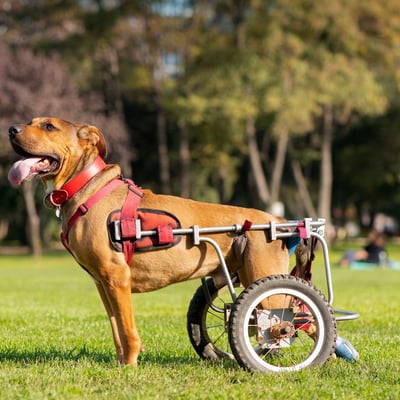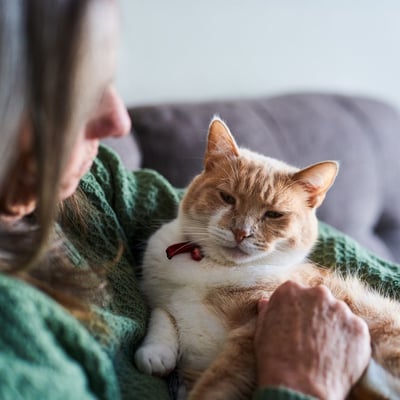
When you adopt a pet from a shelter or rescue, you're already making an environmentally responsible decision. You're giving a home to an animal in need rather than supporting the resource-intensive pet breeding industry. But if you're wondering how to raise a pet with a low carbon footprint beyond adoption day, you're not alone.
Searches for sustainable pet products have surged in 2025 as more pet parents look for ways to reduce their environmental impact without compromising on quality care. The good news? Going green with your new furry friend is easier—and more affordable—than you might think.
Here are 12 simple sustainable swaps that will help you become the eco-friendly pet parent your rescue deserves.
Waste Management: Small Changes, Big Impact
1. Switch to Biodegradable Poop Bags
Traditional plastic poop bags can take hundreds of years to decompose in landfills. Biodegradable poop bags made from plant-based materials like cornstarch break down in months, not centuries. Look for bags certified as compostable (not just "degradable," which can be misleading) for the most eco-friendly option.
Pro tip: Buy in bulk to reduce packaging waste and save money over time.
2. Try Sustainable Cat Litter
Conventional clay-based cat litter is strip-mined and doesn't biodegrade. Eco-friendly cat litter alternatives include options made from recycled paper, walnut shells, corn, wheat, or wood pellets. Many of these natural litters are flushable or compostable, keeping waste out of plastic bags entirely.
3. Compost Pet Waste (Safely)
For dog owners with yards, pet waste composting systems offer a way to handle waste without any plastic at all. These in-ground digesters break down dog waste using natural enzymes. Just remember: pet waste compost should never be used on edible gardens due to potential pathogens.
Food and Treats: Nourishing Your Pet and the Planet
4. Explore Upcycled Pet Food
One of the hottest trends in sustainable pet care is upcycled pet food—products made from nutritious ingredients that would otherwise go to waste in human food production. Think spent brewery grains, vegetable pulp from juice companies, or imperfect produce. These foods reduce food waste while providing high-quality nutrition for your pet.
5. Buy in Bulk to Reduce Packaging
Single-serve pet food packets create mountains of non-recyclable waste. Whenever possible, buy larger bags of dry food or larger cans of wet food. Store dry food in airtight containers to maintain freshness.
6. Bake Homemade Treats
Skip the individually wrapped treats and bake your own using pet-safe ingredients you already have at home. Simple recipes using peanut butter, pumpkin, oats, or sweet potato are healthier for your pet and eliminate packaging waste entirely. Your rescue pup will appreciate the extra love that goes into homemade goodies.
7. Choose Sustainable Protein Sources
The pet food industry is evolving to include more sustainable proteins like insect-based pet food, which requires significantly less water, land, and resources than traditional meat production. While not for every pet, these options are worth exploring with your veterinarian.
Toys and Accessories: Play Without the Plastic
8. Invest in Durable, Natural Toys
Cheap plastic toys often end up in landfills after just a few play sessions. Instead, look for durable pet toys made from natural materials like hemp, organic cotton, or natural rubber. They last longer, they're safer if ingested, and many are recyclable or compostable at the end of their life.
9. Upcycle Household Items
Before buying new, raid your own home for pet entertainment. Old t-shirts can become braided tug toys. Cardboard boxes make perfect cat caves. Tennis ball cans become treat puzzles. Your newly adopted pet doesn't know the difference between a $30 toy and a paper bag—and often prefers the bag.
10. Choose Recycled or Sustainable Pet Beds
Your pet's bed is one of the largest purchases you'll make. Look for beds made with recycled plastic bottles, organic cotton, or sustainably sourced materials. Many eco-conscious brands also offer take-back programs to recycle old beds.
Daily Care: Green Grooming and Beyond
11. Use Natural, Refillable Grooming Products
Conventional pet shampoos often contain harsh chemicals and come in single-use plastic bottles. Opt for natural pet grooming products with plant-based ingredients, and look for brands offering refill pouches or concentrated formulas that reduce plastic waste. Bar shampoos for pets are another zero-waste option gaining popularity.
12. Adopt Secondhand Gear
Crates, carriers, leashes, and bowls don't need to be brand new. Check local buy-nothing groups, thrift stores, and online marketplaces for gently used pet supplies. This keeps perfectly good items out of landfills and saves you money to spend on what matters—like that emergency vet fund.
The Greenest Choice You've Already Made
Here's something worth celebrating: by choosing to adopt your pet rather than shop, you've already made the most sustainable decision in pet parenting. Rescue pets don't require the breeding, shipping, and intensive resources that commercially bred animals do. You've reduced demand for an industry with a significant environmental footprint.
Every shelter pet adopted is a life saved and a step toward a more sustainable pet culture.
Start Small, Stay Consistent
You don't need to overhaul your entire pet care routine overnight. Start with one or two sustainable swaps—maybe switching to biodegradable poop bags or buying food in larger quantities—and build from there. Small, consistent changes add up to a meaningful reduction in your household's environmental impact.
Your rescue pet doesn't need perfection. They just need a loving home that's mindful of the world we all share.