Carolina Dog Adoption Guide: Temperament, Tips & What to Expect
Everything you need to know about adopting an American Dingo, from personality traits to finding the right rescue
The Carolina Dog, also known as the American Dingo, represents one of America's most fascinating and primitive dog breeds. These remarkable dogs emerged from the wild landscapes of the southeastern United States, carrying with them an independence and intelligence that sets them apart from typical domesticated breeds. If you're considering bringing a Carolina Dog into your family, you're embarking on a journey with a truly unique canine companion.
Unlike many modern breeds shaped by human intervention, Carolina Dogs have retained their natural instincts and behaviors developed over thousands of years. This ancient heritage brings both incredible rewards and specific challenges that every potential adopter should understand before making this life-changing commitment.
Key Takeaways
- Primitive breed characteristics - Carolina Dogs retain strong natural instincts and independence
- High exercise needs - Require 60-90 minutes of daily activity and mental stimulation
- Strong prey drive - May chase small animals and need secure fencing
- Gradual socialization essential - Can be reserved with strangers but devoted to their family
- Limited availability - Best found through specialized rescues rather than general shelters
What Makes the Carolina Dog Distinctive?
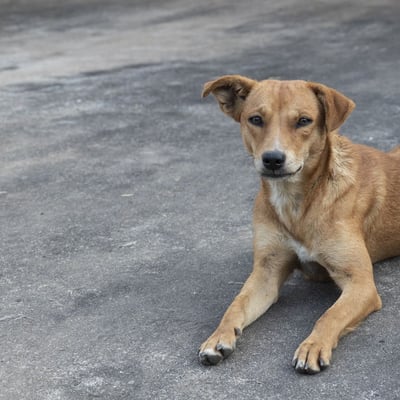
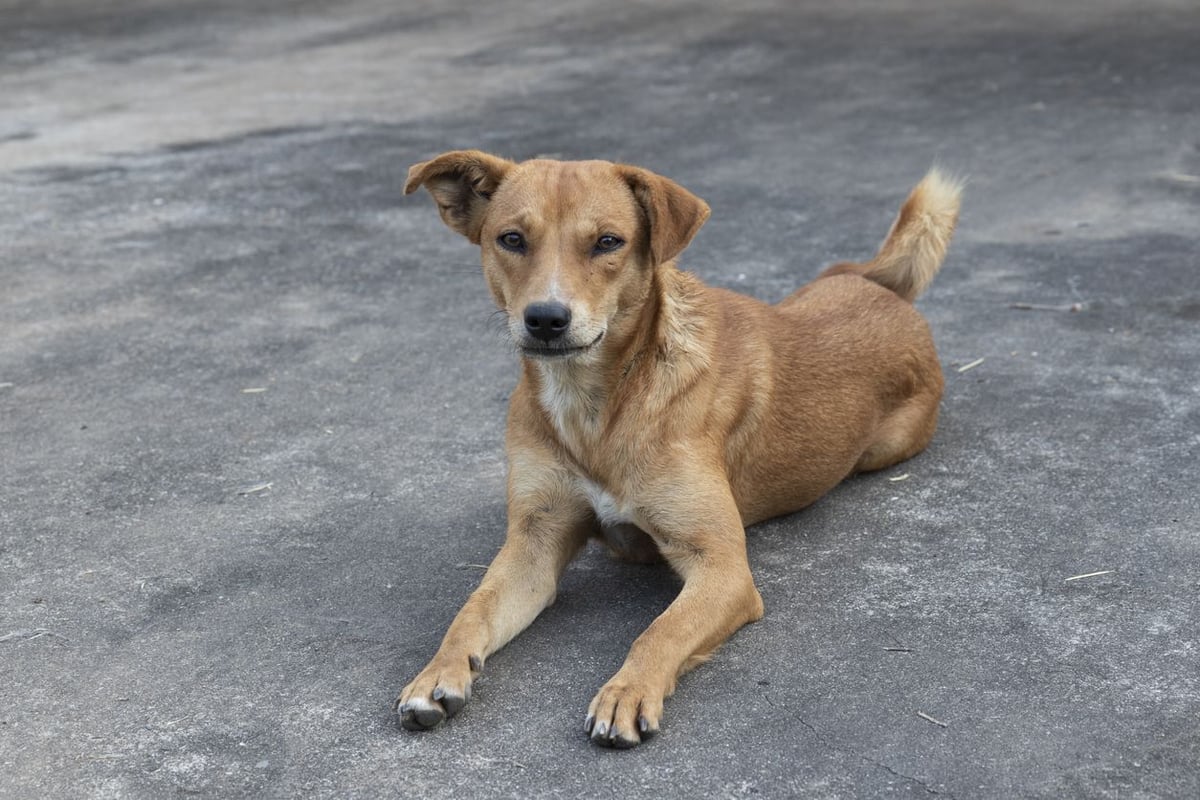
The Carolina Dog stands apart from other breeds due to its remarkable evolutionary history. These dogs developed naturally in the wild, creating a breed with exceptional survival instincts and problem-solving abilities. Their distinctive features include a compact, athletic build, pointed ears, and often a characteristic "fishhook" tail that curls over their back.
Carolina Dogs exhibit behaviors rarely seen in modern breeds, such as digging snout pits for cooling and temperature regulation, pack hunting strategies, and an almost cat-like approach to cleanliness and grooming. Their coat colors typically range from ginger and buff to black and tan, often with white markings on the chest and feet.
Carolina Dog Temperament: What to Expect
Understanding Carolina Dog personality is crucial for potential adopters. These dogs are highly intelligent and independent thinkers who form deep bonds with their families while maintaining a natural wariness of strangers. Unlike golden retrievers or labradors who eagerly greet everyone, Carolina Dogs take time to assess new situations and people.
Energy Level and Exercise Requirements
Carolina Dogs possess abundant energy and require substantial daily exercise. Plan for 60-90 minutes of vigorous activity, including hiking, running, or engaging play sessions. These dogs excel at activities that challenge both their bodies and minds, such as agility training or scent work.
Prey Drive and Hunting Instincts
The American Dingo maintains a strong prey drive that can make them challenging companions for households with small pets. They may chase cats, rabbits, squirrels, and other small animals. Secure fencing of at least six feet is essential, as these athletic dogs are excellent jumpers and diggers.
Family Compatibility
With proper socialization, Carolina Dogs make devoted family companions. They're typically gentle with children they know well but may be reserved around unfamiliar kids. Early socialization is critical for developing their social skills and preventing over-protective behaviors.
Is the Carolina Dog Right for Your Lifestyle?
Before committing to Carolina Dog adoption, honestly assess whether your lifestyle aligns with this breed's unique needs. These dogs thrive with experienced dog owners who understand primitive breed characteristics.
Ideal Carolina Dog Owners
- Active individuals or families who enjoy outdoor activities like hiking, camping, or running
- Experienced dog owners familiar with independent, strong-willed breeds
- Those with secure yards and no small pets that might trigger prey drive
- Patient guardians willing to invest time in consistent training and socialization
Potential Challenges
Carolina Dogs aren't suitable for every household. First-time dog owners may struggle with their independence and strong will. These dogs can be escape artists, requiring vigilant supervision and secure containment. Their natural wariness means they need extensive socialization to prevent fearfulness or aggression toward strangers.
Additionally, their primitive nature means they may not respond to training methods that work well with more domesticated breeds. Traditional obedience training often requires adaptation to work effectively with Carolina Dogs.
How to Adopt a Carolina Dog: Finding Your Perfect Match
Locating Carolina Dogs for adoption requires patience and targeted searching, as they're relatively rare in typical animal shelters. Specialized breed rescues offer your best chance of finding these unique dogs.
Where to Search for Carolina Dog Rescue Organizations
Start your search with breed-specific rescues that focus on primitive breeds or Carolina Dogs specifically. These organizations understand the breed's unique needs and can provide valuable guidance throughout the adoption process. Check the shelter directory for rescues in your area, and don't overlook the possibility of traveling for the right match.
Additionally, contact wildlife rehabilitation centers and sanctuaries in southeastern states, where Carolina Dogs occasionally end up after being found as strays. Some general rescues may have Carolina Dogs or mixes without recognizing the breed.
Essential Questions for Rescues
When you find a potential Carolina Dog, ask detailed questions about the dog's history, temperament, and specific needs. Inquire about their experience with children, other pets, and strangers. Understanding their exercise requirements and any behavioral challenges will help you prepare for a successful adoption.
Request information about the dog's medical history, vaccination status, and any ongoing health concerns. Ask whether the dog has lived in a home environment or spent time in foster care, as this affects their adjustment timeline.
Preparing for Your Carolina Dog's First 30 Days
The initial month after bringing home your Carolina Dog is crucial for establishing routines and building trust. These intelligent dogs need time to assess their new environment and form bonds with their new family.
Creating a Secure Environment
Before your Carolina Dog arrives, ensure your yard is completely secure with fencing that extends below ground level to prevent digging escapes. Remove or secure any items that might trigger their prey drive or destructive behaviors during the adjustment period.
Establish consistent routines immediately, including regular feeding times, exercise schedules, and designated rest areas. Carolina Dogs appreciate predictability and structure, which helps them feel secure in their new home.
Gradual Introduction and Socialization
Allow your new dog to explore their new environment gradually, starting with one room and slowly expanding their access. Avoid overwhelming them with visitors or new experiences during the first week. Focus on building trust through consistent, positive interactions and respecting their need for space.
Check out our comprehensive adoption guide for additional tips on helping your new pet adjust to their forever home.
Frequently Asked Questions
Are Carolina Dogs good with children?
Carolina Dogs can be excellent with children in their own family but require early socialization and supervision. They're naturally protective and may be wary of unfamiliar children visiting your home.
How much exercise does a Carolina Dog need daily?
Plan for 60-90 minutes of vigorous exercise daily, including walks, runs, hiking, or interactive play. Mental stimulation through training and puzzle toys is equally important for this intelligent breed.
Do Carolina Dogs make good apartment pets?
Carolina Dogs are not well-suited for apartment living due to their high energy levels and need for secure outdoor space. They thrive best in homes with large, fenced yards where they can exercise freely.
Why Choose Adoption Over Buying
When searching for a Carolina Dog, adoption offers the most ethical and rewarding path to pet ownership. Many Carolina Dogs and mixes end up in rescue situations through no fault of their own, often because previous owners underestimated their unique needs and primitive characteristics.
Adopting from a rescue organization also means you'll receive ongoing support and guidance from people who understand the breed. Many rescues offer post-adoption resources and will take back dogs if circumstances change, ensuring these special animals never end up homeless again.
By choosing adoption, you're not only gaining a remarkable companion but also making space for another dog in need. The bond you'll form with a rescued Carolina Dog often proves stronger and more meaningful than any commercial transaction could provide.
Ready to Find Your Carolina Dog Companion?
Adopting a Carolina Dog requires patience, preparation, and commitment, but the rewards are immeasurable. These remarkable dogs offer a unique window into canine evolution while providing unwavering loyalty to their chosen families.
Disclaimer: This blog post is intended for educational and informational purposes only and is not meant to substitute for professional advice.