Bonded Pair Adoption: Why Two Pets Are Better Than One
Discover the unique benefits of adopting bonded pairs and help shelter pets find homes together
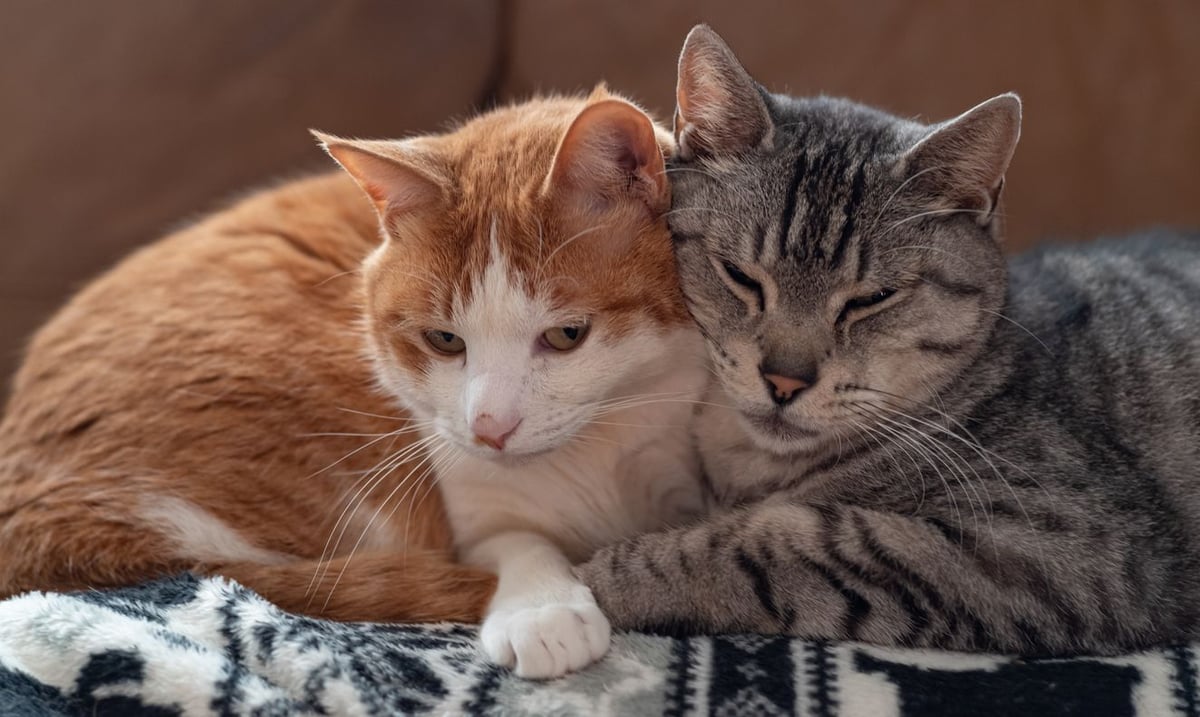
Bonded pair adoption might seem daunting, but these inseparable pets offer double the love with surprising benefits for your family. When two animals form a deep emotional connection in shelters, separating them can cause significant stress and behavioral issues. Yet bonded pairs often wait months longer for homes than single pets, despite being some of the most rewarding adoptions possible.
Whether it's two cats who groom each other constantly, dogs who refuse to eat when separated, or even cross-species friendships, bonded pairs demonstrate the powerful connections animals can form. Understanding why these relationships matter—and how they can enrich your home—opens the door to a uniquely fulfilling adoption experience.
Key Takeaways
- Easier adjustment period - bonded pets help each other adapt to new homes faster
- Built-in companionship - reduces separation anxiety and destructive behaviors
- Lower individual costs - many shelters offer adoption discounts for pairs
- Entertainment value - watching bonded pets interact provides endless joy
- Helping shelter capacity - adopting pairs opens space for more rescues
What Makes a Bonded Pair?
A bonded pair consists of two animals who have formed a strong emotional attachment and rely on each other for comfort and security. This bond can develop between littermates, animals who lived together in a previous home, or even pets who found each other in the shelter environment.
Shelter staff identify bonded pairs through careful observation of behavior patterns. True bonded animals will search for each other when separated, share food and sleeping spaces, engage in mutual grooming, and show signs of stress when apart for extended periods.
These relationships aren't limited to same-species pairs. Some of the strongest bonds form between cats and dogs, rabbits and guinea pigs, or other unexpected combinations that developed through shared experiences.
Why Do Bonded Pairs Wait Longer for Homes?
The reality facing shelters is stark: bonded pairs take an average of 30% longer to find homes than single pets. Many potential adopters worry about doubled costs, space requirements, or the complexity of managing two pets simultaneously.
Common concerns include doubled veterinary bills, increased pet supplies, and housing restrictions that limit the number of pets per household. Some adopters also fear that two pets might bond more strongly with each other than with their human family members.
However, these concerns often prove unfounded when weighed against the significant advantages of dual adoption, particularly for first-time pet owners who benefit from having pets that can comfort and entertain each other.
How Do Two Pets Actually Make Life Easier?
Contrary to popular belief, adopting two bonded pets often requires less work than caring for a single animal. Bonded pairs provide constant companionship for each other, reducing the pressure on owners to fulfill all social and entertainment needs.
Dogs in bonded pairs typically experience less separation anxiety when left alone during work hours. They're more likely to settle calmly because their companion remains present. This translates to fewer destroyed shoes, scratched doors, or noise complaints from neighbors.
For cats, bonded pairs engage in natural play behaviors together, burning energy through wrestling and chase games that a single cat would expect humans to provide. They also maintain better grooming habits and eating routines when they have a familiar companion.
- Reduced destructive behavior from boredom or anxiety
- Better exercise habits through interactive play
- Faster house training (younger animals learn from older companions)
- More stable eating and sleeping routines
What Are the Financial Considerations?
While two pets do mean increased expenses, the actual cost difference is often smaller than expected. Many shelters offer significant discounts for bonded pair adoptions, sometimes reducing the second adoption fee by 50% or more to encourage dual adoptions.
Bulk purchasing of food, treats, and toys often provides savings per pet. Veterinary visits can sometimes be combined for routine care, and many vets offer multi-pet household discounts for regular wellness visits.
The behavioral benefits also translate to financial advantages. Pets with fewer anxiety-related issues require less professional training, cause less property damage, and may have fewer stress-related health problems over time.
"In our experience, bonded pairs often cost less in behavioral training and stress-related veterinary care than single pets who develop separation anxiety."
— Dr. Sarah Mitchell, veterinary behaviorist
Are You Ready for Bonded Pair Adoption?
Successful bonded pair adoption requires honest assessment of your living situation and lifestyle. Consider your available space, time for training, and long-term commitment to caring for both animals throughout their lives.
Ideal candidates have adequate indoor and outdoor space for two pets to exercise comfortably. They also possess patience for the initial adjustment period, during which both animals adapt to new routines, rules, and family dynamics.
Financial readiness means budgeting for doubled food costs, pet insurance for both animals, and emergency veterinary care. However, many bonded pair adopters report that the joy and entertainment value far outweigh the additional expenses.
- Assess your living space and any pet restrictions
- Calculate realistic monthly expenses for two pets
- Research veterinarians who offer multi-pet discounts
- Prepare necessary supplies before bringing both pets home
- Plan for an adjustment period of 2-4 weeks
Frequently Asked Questions
Will bonded pets be less affectionate toward their human family?
Not at all. Bonded pets who feel secure with their companion are often more confident and affectionate with humans. Their emotional needs are met through their bond, allowing them to approach human relationships without anxiety.
What happens if one pet in a bonded pair passes away?
The surviving pet will grieve, but most adapt over time with extra attention and care from their human family. Some adopters choose to adopt another companion, while others find their remaining pet bonds more closely with family members.
Can bonded pairs be separated if absolutely necessary?
While not ideal, bonded pairs can be separated in extreme circumstances. However, both pets typically require extra support, patience, and sometimes professional behavioral help to adjust to being alone.
Ready to Find Your Perfect Bonded Pair?
Bonded pair adoption offers a unique opportunity to save two lives while gaining double the love and companionship. These special relationships bring joy, entertainment, and emotional fulfillment that single pet adoption simply cannot match.
Disclaimer: This blog post is intended for educational and informational purposes only and is not meant to substitute for professional advice.