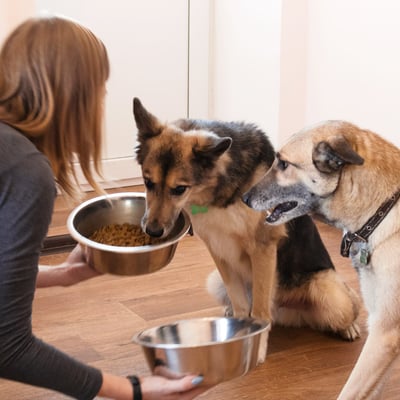
You've brought home your rescue dog, and the first few days feel... strange. Maybe your new companion hides under the bed, refuses food, or seems nothing like the playful pup you met at the shelter. Don't panic—this is completely normal. What you're witnessing is decompression, and understanding it could be the difference between a successful adoption and a heartbreaking return. Enter the 3-3-3 rule: a simple framework that helps new rescue parents navigate the emotional rollercoaster of those critical first months.
What Is the 3-3-3 Rule?
The 3-3-3 rule is a guideline developed by rescue organizations to help adopters understand the typical phases a rescue dog goes through when adjusting to a new home. It breaks down into three distinct timeframes: the first 3 days of decompression, the next 3 weeks of settling in, and approximately 3 months to feel truly at home.
Think of it like starting a new job or moving to a new city. On your first day, you're overwhelmed, unsure of the rules, and probably not performing at your best. After a few weeks, you're getting the hang of things but still learning. After three months? You finally feel like you belong. Dogs experience something remarkably similar.
Important caveat: The 3-3-3 rule is a helpful rule of thumb—not a rigid timeline. Every dog is an individual with their own history, temperament, and needs. Some dogs settle in faster, bouncing into their new life within weeks. Others, particularly those who've experienced trauma, multiple rehomings, or extended shelter stays, may need 6, 8, or even 12 months to fully decompress. The numbers are a starting point, not a finish line. Your dog will tell you when they're ready—your job is to pay attention and give them the time they need.
The First 3 Days: Decompression Mode
The initial 72 hours are often the most disorienting for your rescue dog. Their entire world has just been turned upside down—again. Whether they came from a shelter, foster home, or direct surrender, they've lost everything familiar: their environment, their routine, the people and animals they knew, even the smells that told them they were safe.
What You Might See
During this phase, your dog may exhibit behaviors that seem concerning but are actually normal stress responses. Refusing to eat or drinking very little is common—stress hormones like cortisol suppress appetite. Research confirms that cortisol levels spike when dogs enter new environments and typically take several days to normalize. You might notice your dog hiding under furniture, in closets, or refusing to leave their crate. They may seem shut down, unresponsive, or appear to have no personality at all. Conversely, some dogs pace constantly, unable to settle. Accidents in the house are normal even for previously housetrained dogs—they don't know your rules yet, and stress disrupts learned behaviors.
What to Do
Your instinct will be to shower your new dog with love, attention, and adventure. Resist it. The best thing you can do during these first three days is... not much. Keep the environment calm and quiet—no visitors, no trips to the pet store, no dog park introductions. Establish a simple routine immediately: meals at the same times, potty breaks at regular intervals, a designated sleeping spot. Let your dog observe and approach you on their own terms. If they want to hide, let them hide. Sitting quietly in the same room, reading a book or working on your laptop, lets them acclimate to your presence without pressure.
One crucial tip: avoid elaborate hellos and goodbyes. Enthusiastic greetings when you come home or dramatic departures when you leave actually increase separation anxiety rather than providing comfort. Keep arrivals and departures low-key and matter-of-fact.
The First 3 Weeks: Learning the Ropes
As stress hormones settle and your dog begins to feel safer, something wonderful starts to happen: their personality begins to emerge. The shut-down dog who hid under your bed might suddenly reveal a goofy, playful side. The anxious pacer might start seeking out belly rubs. This phase is exciting—but it also comes with new challenges.
What You Might See
Your dog is now comfortable enough to test boundaries. They might jump on furniture, counter-surf, pull on the leash, or try behaviors that weren't apparent in those first silent days. This isn't regression—it's actually progress. A dog who feels safe enough to misbehave is a dog who's starting to trust their environment. You may also notice more engagement: following you from room to room, responding to their name, showing interest in toys or play. Appetite typically normalizes during this phase, and house training usually improves as they learn where the door to outside is and begin to communicate their needs.
What to Do
This is the time to establish structure. Begin basic training—sit, stay, come—using positive reinforcement. Short, consistent sessions (5-10 minutes) work better than marathon training days. Keep your household rules consistent; if your dog isn't allowed on the couch, make sure every family member enforces this from day one. Dogs don't understand "sometimes" or "just this once."
Start introducing new experiences very gradually. A short walk around the block. Meeting one calm friend. Brief car rides. The key word is gradual—resist the urge to make up for lost time by overwhelming them with socialization. Each positive experience builds confidence; each overwhelming one can set you back.
If you haven't already, schedule that first veterinary checkup. Your vet can establish baseline health metrics, address any immediate concerns, and discuss appropriate exercise levels and diet for your specific dog.
The First 3 Months: Finally Home
By the three-month mark, most rescue dogs have developed a genuine sense of security in their new home. They understand the household routine, have bonded with family members, and display consistent personality traits. This is when you're finally meeting the "real" dog—the one who was always there, just buried under layers of stress and uncertainty.
What You Might See
Deep relaxation: your dog sleeps soundly, stretches out fully, shows their belly. Playfulness and joy that feels authentic rather than manic. Clear communication about their needs—they know where the treats are kept, where they sleep, when walks happen. A strong bond with you: they seek you out for comfort, check in during walks, respond reliably to commands.
You may also see some challenging behaviors emerge for the first time. This isn't a step backward—it's often a sign that your dog finally feels safe enough to express discomfort they were previously suppressing. A dog who seemed perfectly comfortable with strangers might suddenly show wariness. Separation anxiety might peak as attachment deepens. Research from Ohio State University found that certain behaviors, including stranger-directed wariness and touch sensitivity, actually increased at the 90 and 180-day marks as dogs became more settled. This is your dog's true self showing up—and it's information you need to address their real needs.
What to Do
Continue building on the foundation you've established. Advanced training classes can strengthen your bond while providing mental stimulation. Expand their world more confidently—new hiking trails, dog-friendly patios, visits to friends' homes. Address any emerging behavioral concerns with patience and, if needed, professional help. A certified dog trainer or veterinary behaviorist can make a significant difference for issues like reactivity, anxiety, or fear-based behaviors.
Most importantly, celebrate how far you've come. The nervous dog who hid under your bed three months ago? Look at them now.
When It Takes Longer: And That's Okay
Here's the truth that the neat 3-3-3 framework can sometimes obscure: many dogs need significantly more time. Studies tracking rescue dog behavior found that while some behaviors stabilize or improve by 90 days, others continue evolving through the six-month mark and beyond. Separation-related behaviors, for instance, showed a small but statistically significant decrease between 90 and 180 days—meaning improvement was still happening well past the "three month" milestone.
Certain dogs are more likely to need extended adjustment periods. Dogs from hoarding situations or puppy mills, where they may never have experienced normal home life, often need six months to a year. Dogs who have been rehomed multiple times may be slower to trust that this placement is permanent. Senior dogs adopting new routines after years of different habits may need extra patience. Dogs with trauma histories or significant behavioral challenges require time for both adjustment and active rehabilitation.
If your dog is still struggling after three months, you haven't failed. You're simply dealing with a dog who needs more from you—and that's a gift you can give them. Continue providing consistency, seek professional guidance when needed, and trust the process. The vast majority of rescue dogs eventually thrive; some just take the scenic route.
Common Mistakes That Derail Progress
Understanding the 3-3-3 rule is one thing; avoiding the pitfalls that can extend or complicate your dog's adjustment is another. Here are the most common mistakes new rescue parents make.
Expecting Too Much Too Soon
Your dog isn't going to be "normal" after one week. They may not be fully themselves for months. Unrealistic expectations create frustration for you and pressure for your dog—neither of which helps the adjustment process.
Overwhelming With Experiences
The desire to give your rescue dog "the life they deserve" is beautiful, but translating that into trips to busy dog parks, meeting everyone you know, and visiting every new environment in the first month can backfire dramatically. Flooding a stressed dog with stimulation doesn't build confidence—it depletes their coping resources.
Inconsistent Rules and Routines
Dogs thrive on predictability. If morning walks happen at 7am some days and 10am others, if the couch is off-limits except when your spouse is home, if treat rules change depending on who's handing them out—your dog can't learn what's expected of them. Consistency is kindness.
Projecting Human Emotions
Your dog isn't sad about their past in the way humans experience sadness. They aren't holding a grudge against a former owner. They're responding to present circumstances with the behavioral tools they have. Meeting them where they are—rather than where you imagine their emotional narrative—lets you address actual needs rather than assumed ones.
Skipping Professional Help
If behavioral issues persist or escalate, professional guidance isn't a failure—it's responsible ownership. Trainers, behaviorists, and veterinarians have tools and perspectives that can make a profound difference. The earlier you address concerning behaviors, the easier they typically are to resolve.
Signs Your Dog Is Adjusting Well
How do you know if you're on the right track? Look for these encouraging signals as the weeks pass.
Your dog seeks you out for attention rather than avoiding contact. They eat meals with enthusiasm and maintain a healthy appetite. Sleep comes easily—they can fully relax, often sleeping on their back or side with limbs extended. They show interest in play, toys, or activities they initially ignored. Eye contact is soft and frequent; they check in with you during walks or in new environments. House training improves steadily with fewer accidents. They recover more quickly from startling events or stressors. Perhaps most telling: you see glimpses of joy. A wagging tail at mealtime. A play bow when you grab the leash. A contented sigh as they settle at your feet.
Research backs up what many adopters feel anecdotally: despite behavioral challenges during the adjustment period, approximately 94% of rescue dog owners rate their dog's overall behavior as excellent or good six months after adoption. The bumps along the way are real—but so is the happy ending for most rescue families.
The Long View
The 3-3-3 rule isn't a promise that everything will be perfect by day 90. It's a framework for understanding that adjustment takes time—and that the strange, difficult behaviors you're seeing in week one or week six are usually temporary phases, not permanent traits.
Your rescue dog has likely been through more upheaval than you'll ever know. By understanding decompression, respecting their timeline (whatever that timeline turns out to be), and providing the patience and structure they need, you're giving them something precious: the chance to finally exhale and know they're home.
That moment when your once-fearful rescue climbs onto the couch, sighs contentedly, and falls asleep with their head in your lap? It's worth every challenging day that came before it.
Ready to begin your rescue journey? Browse adoptable dogs and cats on WeRescue and find the companion who's been waiting for you.