













Clear The Shelters 2026: 135,000+ Adoptions and the Technology Behind Them
Clear The Shelters 2026 helped 135,000+ pets find homes. See the national results, local wins, and how WeRescue powered the …
Read More →
Turtles are unique and fascinating creatures that can make wonderful pets for the right person. They are generally small to medium in size, with a calm and docile temperament. Turtles are not high-energy pets and do not require a lot of physical exercise, but they do need a habitat that meets their specific needs. Grooming needs are minimal, but they do require a clean environment to stay healthy. Turtles have a long life expectancy, often living several decades. They are not known for their intelligence or trainability, but they can learn to recognize their owners and some simple routines. Turtles are not particularly social animals, but they can coexist peacefully with other turtles if given enough space.
Turtles are one of the oldest and most primitive groups of reptiles, with some species dating back to the time of the dinosaurs!
When adopting a turtle, it's important to research the specific needs of the species you are interested in. This includes understanding their diet, habitat requirements, and potential health issues. Turtles require a long-term commitment due to their long lifespan, so make sure you are prepared for the responsibility.
Turtles have a long life expectancy, often living several decades. Some species can even live over 100 years with proper care.
Turtles range in size from small species that grow to just a few inches in length to larger species that can reach up to two feet. The size of the turtle will depend on the specific species.
Turtles are generally calm and docile creatures. They are not aggressive, but they can become stressed if handled too frequently or if their environment is not suitable.
Turtles are not high-energy pets and do not require a lot of physical exercise. However, they do need a habitat that allows them to move around freely and engage in natural behaviors.
Turtles do not require grooming in the traditional sense, but they do need a clean environment to stay healthy. This includes regular cleaning of their habitat and water.
Turtles have a long life expectancy, often living several decades. Some species can even live over 100 years with proper care.
Turtles are generally hardy animals, but they can be prone to certain health issues if their care requirements are not met. This includes problems related to diet, habitat, and exposure to parasites.
Turtles are not known for their intelligence in the traditional sense, but they can learn to recognize their owners and some simple routines.
Turtles are not easily trainable pets. They can learn some simple routines, but they do not respond to commands like dogs or cats.
Turtles are not particularly social animals, but they can coexist peacefully with other turtles if given enough space. They do not typically interact with their owners in the same way that dogs or cats might.
Clear The Shelters 2026 helped 135,000+ pets find homes. See the national results, local wins, and how WeRescue powered the …

Worried your cat won't accept a new rescue dog? With the right introduction strategy, many dogs and cats learn to …
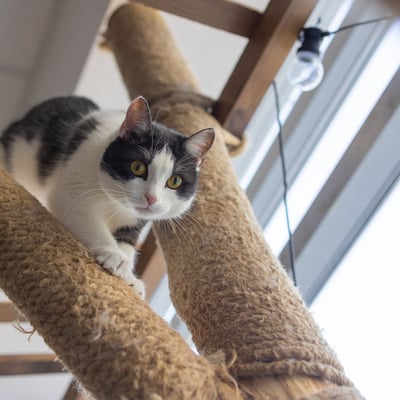
Don't let allergies stop your family from adopting a pet. Learn about hypoallergenic breeds and proven allergy management strategies.
Every pet is an individual. For specifics on temperament and history, contact the rescue organization caring for the dog you're interested in.

No commitment. Cancel anytime.
Get ALL premium features listed above
Subscriptions will automatically renew unless canceled within 24-hours before the end of the current period. You can cancel anytime with your account settings. Any unused portion of a free trial period will be forfeited if you purchase a subscription.