













How to Introduce a Rescue Dog to Your Resident Cat
Worried your cat won't accept a new rescue dog? With the right introduction strategy, many dogs and cats learn to …
Read More →
The Tibetan Mastiff is a large and powerful breed, known for its protective nature and majestic appearance. They are intelligent and independent, making them a challenging breed for first-time dog owners. They require moderate exercise and have a high grooming need due to their thick, double coat. Tibetan Mastiffs have a long life expectancy for a large breed and are generally healthy, but they can be prone to certain breed-specific health issues. They are not the most sociable breed and can be wary of strangers, but they are fiercely loyal to their family. Training can be a challenge due to their independent nature, but with patience and consistency, they can be well-trained.
The Tibetan Mastiff is an ancient breed and has been known to exist as far back as 1100 BC. They were traditionally used by Himalayan nomads to protect sheep from wolves, leopards, bears, and tigers.
Adopting a Tibetan Mastiff requires a commitment to training and socialization. They are best suited to a home with a large, securely fenced yard. Potential adopters should be prepared for their high grooming needs and potential health issues. It's also important to remember that they can be wary of strangers and may not be the best choice for homes with frequent visitors.
Tibetan Mastiffs have a long life expectancy for a large breed, often living up to 12-15 years.
Tibetan Mastiffs are one of the largest breeds, with males standing up to 33 inches at the shoulder and weighing up to 160 pounds. Females are slightly smaller but still a very large breed.
They are known for their protective and independent nature. They are usually calm and quiet indoors, but can be territorial and protective when they feel their family is threatened.
Despite their size, Tibetan Mastiffs do not require a lot of exercise. A few short walks and a moderate play session each day should be sufficient.
Their thick, double coat requires regular brushing to prevent matting and tangling. They are heavy shedders, especially during the shedding season.
Tibetan Mastiffs have a long life expectancy for a large breed, often living up to 12-15 years.
Generally, they are a healthy breed but can be prone to certain breed-specific health issues like hip dysplasia, hypothyroidism, and eye disorders.
Tibetan Mastiffs are intelligent and independent. They are quick learners but can be stubborn, which can make training a challenge.
Training a Tibetan Mastiff requires patience and consistency. They are not always eager to please, which can make training a challenge. However, with the right approach, they can be well-trained.
They are not the most sociable breed and can be wary of strangers. However, they are fiercely loyal to their family and can get along well with other pets if properly socialized.
Worried your cat won't accept a new rescue dog? With the right introduction strategy, many dogs and cats learn to …
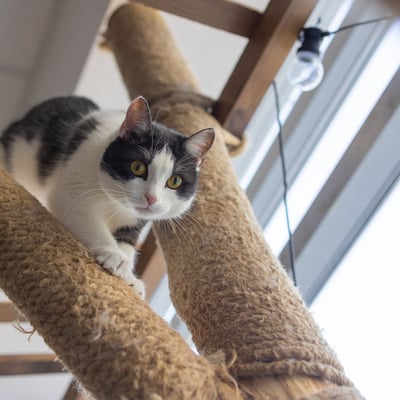
Don't let allergies stop your family from adopting a pet. Learn about hypoallergenic breeds and proven allergy management strategies.

Learn the complete vaccination schedule for your rescue pet, from puppy shots to adult boosters. Essential health timeline every new …
Every pet is an individual. For specifics on temperament and history, contact the rescue organization caring for the dog you're interested in.

No commitment. Cancel anytime.
Get ALL premium features listed above
Subscriptions will automatically renew unless canceled within 24-hours before the end of the current period. You can cancel anytime with your account settings. Any unused portion of a free trial period will be forfeited if you purchase a subscription.