













How to Introduce a Rescue Dog to Your Resident Cat
Worried your cat won't accept a new rescue dog? With the right introduction strategy, many dogs and cats learn to …
Read More →
The Texas Tortoise, a breed of tortoise native to the southern regions of Texas, is a medium-sized, terrestrial reptile known for its hard, dome-shaped shell and friendly disposition. They are relatively low maintenance pets, requiring minimal grooming and exercise, but they do need a spacious environment to roam and forage. They are intelligent creatures with a moderate level of trainability. They are not particularly social animals, preferring a solitary lifestyle. Potential adopters should be prepared for a long-term commitment as these tortoises have a long life expectancy.
The Texas Tortoise is a 'keystone species' in its native habitat, meaning it plays a crucial role in maintaining the ecosystem's balance.
Potential adopters should ensure they have a spacious, secure outdoor area for the tortoise to roam. They should also be prepared for a long-term commitment, as these tortoises have a long life expectancy. It's important to provide a diet rich in leafy greens and to avoid overfeeding to prevent health issues.
Texas Tortoises have a long life expectancy, often living up to 60 years or more in captivity with proper care. Potential adopters should be prepared for a long-term commitment.
The Texas Tortoise is a medium-sized tortoise, typically reaching lengths of 8 to 10 inches. They have a hard, dome-shaped shell that provides protection from predators.
Texas Tortoises are generally calm, docile creatures. They are not aggressive and are known to be quite friendly, making them suitable pets for families.
These tortoises are not particularly active, but they do require a spacious environment to roam and forage. They enjoy burrowing and climbing, so providing a varied landscape can help meet their exercise needs.
Texas Tortoises require minimal grooming. Their shells should be kept clean and they should have access to a shallow water dish for soaking and hydration.
Texas Tortoises have a long life expectancy, often living up to 60 years or more in captivity with proper care. Potential adopters should be prepared for a long-term commitment.
These tortoises are generally healthy, but they can be prone to respiratory infections if kept in damp or cold conditions. Regular vet check-ups are recommended to ensure their health.
Texas Tortoises are intelligent creatures, capable of learning and remembering their environment. They can recognize their caretakers and show a degree of problem-solving ability.
While not as trainable as dogs or cats, Texas Tortoises can learn basic routines and commands, especially related to feeding times.
Texas Tortoises are not particularly social animals. They are solitary by nature and do not require companionship of their own kind.
Worried your cat won't accept a new rescue dog? With the right introduction strategy, many dogs and cats learn to …
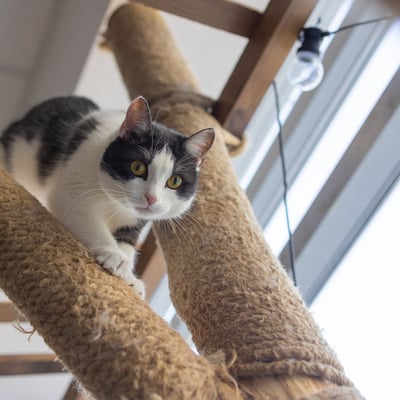
Don't let allergies stop your family from adopting a pet. Learn about hypoallergenic breeds and proven allergy management strategies.

Learn the complete vaccination schedule for your rescue pet, from puppy shots to adult boosters. Essential health timeline every new …
Every pet is an individual. For specifics on temperament and history, contact the rescue organization caring for the dog you're interested in.

No commitment. Cancel anytime.
Get ALL premium features listed above
Subscriptions will automatically renew unless canceled within 24-hours before the end of the current period. You can cancel anytime with your account settings. Any unused portion of a free trial period will be forfeited if you purchase a subscription.