













How to Introduce a Rescue Dog to Your Resident Cat
Worried your cat won't accept a new rescue dog? With the right introduction strategy, many dogs and cats learn to …
Read More →
The Tamaskan is a large, athletic, and intelligent breed, known for its wolf-like appearance and friendly nature. They are highly sociable and get along well with other dogs and children, making them excellent family pets. However, they require a lot of exercise and mental stimulation due to their high energy levels and intelligence. They are generally healthy with a good life expectancy, but potential adopters should be aware of certain genetic health issues. Their grooming needs are moderate, and they are highly trainable due to their intelligence and eagerness to please.
Despite their wolf-like appearance, Tamaskans are not part wolf. They were bred to look like wolves by crossing Siberian Huskies, Alaskan Malamutes, and German Shepherds.
When adopting a Tamaskan, it's important to consider their high exercise needs and ensure you can provide them with plenty of physical and mental stimulation. They do best in homes with a large yard or access to a park. As they are prone to certain genetic health issues, it's recommended to adopt from a reputable breeder who tests their breeding dogs for these conditions.
The average life expectancy of a Tamaskan is around 14-15 years, which is relatively long for a large breed.
Tamaskans are a large breed. Adult males typically weigh between 66-99 lbs (30-45 kg) and stand about 25-33 inches (63-84 cm) tall at the shoulder. Females are slightly smaller, usually weighing between 50-84 lbs (23-38 kg) and standing about 24-28 inches (61-71 cm) tall.
Tamaskans are known for their friendly, outgoing, and playful nature. They are very sociable and get along well with other dogs and children. They are not typically aggressive or overly territorial, but they can be reserved with strangers.
Tamaskans require a lot of exercise due to their high energy levels. They enjoy activities such as running, hiking, and playing fetch. Without sufficient exercise, they can become bored and potentially destructive.
Tamaskans have a double coat that sheds moderately year-round and heavily during shedding season. Regular brushing is required to keep their coat healthy and to minimize shedding. They do not typically have a strong doggy odor and do not require frequent baths.
The average life expectancy of a Tamaskan is around 14-15 years, which is relatively long for a large breed.
Tamaskans are generally healthy, but they can be prone to certain genetic health issues such as hip dysplasia, degenerative myelopathy, and cryptorchidism. Regular vet check-ups and a healthy diet can help to prevent these issues.
Tamaskans are highly intelligent and quick learners. They excel in activities that challenge their mental abilities, such as obedience training, agility courses, and problem-solving games.
Due to their intelligence and eagerness to please, Tamaskans are highly trainable. However, they can be stubborn at times, so consistent, positive reinforcement training methods work best.
Tamaskans are highly sociable and enjoy being around people and other dogs. They are not typically aggressive or overly territorial, but they can be reserved with strangers.
Worried your cat won't accept a new rescue dog? With the right introduction strategy, many dogs and cats learn to …
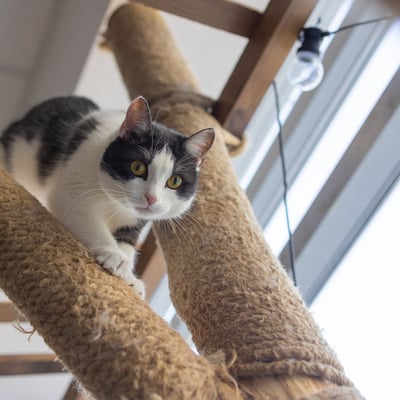
Don't let allergies stop your family from adopting a pet. Learn about hypoallergenic breeds and proven allergy management strategies.

Learn the complete vaccination schedule for your rescue pet, from puppy shots to adult boosters. Essential health timeline every new …
Every pet is an individual. For specifics on temperament and history, contact the rescue organization caring for the dog you're interested in.

No commitment. Cancel anytime.
Get ALL premium features listed above
Subscriptions will automatically renew unless canceled within 24-hours before the end of the current period. You can cancel anytime with your account settings. Any unused portion of a free trial period will be forfeited if you purchase a subscription.