













How to Introduce a Rescue Dog to Your Resident Cat
Worried your cat won't accept a new rescue dog? With the right introduction strategy, many dogs and cats learn to …
Read More →
Swans are majestic, large water birds known for their elegance and beauty. They are not traditional pets and are not suitable for everyone. They require a large body of water, like a pond or lake, and plenty of grassy land. Swans are intelligent and can be territorial, especially during breeding season. They are not particularly sociable with humans or other animals, and they require minimal grooming. Swans have a long life expectancy, but potential health issues can arise if they do not have the right environment and diet. Adopting a swan requires a commitment to providing a suitable habitat and understanding their unique needs.
Swans are known for their monogamous breeding habits. They often stay with the same partner for life and are known to mourn their partners if they pass away.
Before adopting a swan, ensure you have a suitable habitat for them. They need a large body of water and plenty of grassy land. Be prepared for their territorial behavior, especially during breeding season. Swans are not traditional pets and require a unique understanding and commitment.
Swans have a long life expectancy, often living up to 20 years in the wild and up to 30 years in captivity with proper care.
Swans are one of the largest flying birds. They can reach a length of up to 60 inches and a weight of up to 30 pounds.
Swans are generally peaceful but can be aggressive and territorial, especially during the breeding season. They are not typically affectionate or interactive with humans.
Swans need a large body of water to swim and forage for food. They also need plenty of land to roam.
Swans groom themselves and require minimal grooming assistance. They need clean water to keep their feathers in good condition.
Swans have a long life expectancy, often living up to 20 years in the wild and up to 30 years in captivity with proper care.
Swans are generally healthy but can develop issues if they do not have a proper diet and clean environment. They can suffer from lead poisoning, botulism, and avian influenza.
Swans are intelligent birds that can remember people and other swans. They can also solve simple problems and tasks.
Swans are not easily trainable. They are independent and do not seek to please humans like dogs or cats might.
Swans are not particularly sociable with humans or other animals. They can be aggressive towards perceived threats.
Worried your cat won't accept a new rescue dog? With the right introduction strategy, many dogs and cats learn to …
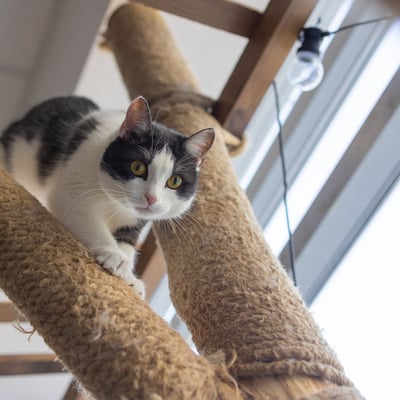
Don't let allergies stop your family from adopting a pet. Learn about hypoallergenic breeds and proven allergy management strategies.

Learn the complete vaccination schedule for your rescue pet, from puppy shots to adult boosters. Essential health timeline every new …
Every pet is an individual. For specifics on temperament and history, contact the rescue organization caring for the dog you're interested in.

No commitment. Cancel anytime.
Get ALL premium features listed above
Subscriptions will automatically renew unless canceled within 24-hours before the end of the current period. You can cancel anytime with your account settings. Any unused portion of a free trial period will be forfeited if you purchase a subscription.