












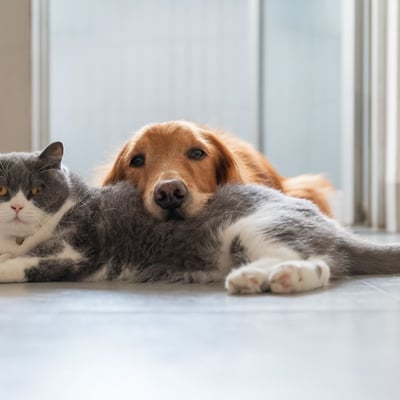
How to Introduce a Rescue Dog to Your Resident Cat
Worried your cat won't accept a new rescue dog? With the right introduction strategy, many dogs and cats learn to …
Read More →
The South Russian Ovcharka, also known as the South Russian Sheepdog, is a large and robust breed known for its protective and independent nature. They are characterized by their long, thick, and wavy white coat which requires regular grooming. This breed is highly intelligent and can be trained, but they require a firm and experienced hand due to their strong-willed temperament. They are not typically recommended for first-time dog owners or families with small children due to their protective nature and size. However, they can make excellent companions for the right owner, particularly those with a lot of outdoor space and time to devote to exercise and training.
The South Russian Ovcharka's thick coat is not just for looks - it was developed to help them withstand the harsh climates of the Russian steppes where they were originally bred to herd and protect livestock.
Adopting a South Russian Ovcharka requires commitment. They need a lot of exercise and mental stimulation, and their grooming needs are significant. They are best suited to homes with large yards and owners who have experience with large, independent breeds. Early socialization and obedience training are a must.
The average lifespan of a South Russian Ovcharka is between 9-11 years, which is typical for a breed of this size.
The South Russian Ovcharka is a large breed. Males typically stand between 25-27 inches at the shoulder, while females are slightly smaller at 24-26 inches. They weigh between 100-150 pounds.
This breed is known for its independence and protective nature. They can be wary of strangers but are generally loyal and affectionate with their families. They are not typically recommended for families with small children or other pets due to their protective instincts.
The South Russian Ovcharka is an active breed that requires a lot of exercise. They enjoy activities such as running, hiking, and playing fetch. They are best suited to homes with large yards where they can run and play.
Their long, thick coat requires regular grooming to prevent matting and tangling. They are heavy shedders, particularly in the spring and fall, and will require more frequent grooming during these times.
The average lifespan of a South Russian Ovcharka is between 9-11 years, which is typical for a breed of this size.
This breed is generally healthy, but like all breeds, they can be prone to certain health conditions. Potential health issues include hip dysplasia, heart problems, and eye conditions.
The South Russian Ovcharka is a highly intelligent breed. They are quick learners and can be trained, but their independent nature can sometimes make training a challenge.
Training a South Russian Ovcharka requires a firm and experienced hand. They are intelligent and can learn quickly, but they are also independent and can be stubborn. Early socialization and obedience training are important.
This breed can be wary of strangers and is not typically recommended for homes with other pets. However, they are generally loyal and affectionate with their families.
Worried your cat won't accept a new rescue dog? With the right introduction strategy, many dogs and cats learn to …
Don't let allergies stop your family from adopting a pet. Learn about hypoallergenic breeds and proven allergy management strategies.

Learn the complete vaccination schedule for your rescue pet, from puppy shots to adult boosters. Essential health timeline every new …
Every pet is an individual. For specifics on temperament and history, contact the rescue organization caring for the dog you're interested in.

No commitment. Cancel anytime.
Get ALL premium features listed above
Subscriptions will automatically renew unless canceled within 24-hours before the end of the current period. You can cancel anytime with your account settings. Any unused portion of a free trial period will be forfeited if you purchase a subscription.