













Clear The Shelters 2026: 135,000+ Adoptions and the Technology Behind Them
Clear The Shelters 2026 helped 135,000+ pets find homes. See the national results, local wins, and how WeRescue powered the …
Read More →
The Shetland Sheepdog, often known as the Sheltie, is a small to medium-sized breed that originated in the Shetland Islands of Scotland. They are known for their intelligence, agility, and affectionate nature. Shelties are excellent family pets and are particularly good with children. They are also known for their distinctive 'mane' of fur around their neck and shoulders. Despite their small size, they were originally bred for herding and still retain a strong instinct for this work. They are highly trainable and excel in obedience, agility, and herding trials. Shelties are generally healthy but can be prone to certain genetic conditions.
Despite their small size, Shelties were originally bred for herding and still retain a strong instinct for this work. They are known for their 'herding nudge', where they will gently bump into people or other animals to try and herd them.
When adopting a Sheltie, be prepared for their high energy levels and need for mental stimulation. They do best in homes where they have plenty of room to run and play. Regular grooming is also a must to keep their coat healthy and looking its best. Shelties can be a bit shy with strangers, so socialization from a young age is important.
The average lifespan of a Sheltie is between 12 and 14 years, which is relatively long for a dog of their size.
Shelties are small to medium-sized dogs. They typically stand between 13 and 16 inches tall at the shoulder and weigh between 15 and 25 pounds.
Shelties are known for their intelligence, agility, and affectionate nature. They are excellent family pets and are particularly good with children. They can be a bit reserved with strangers but are not generally aggressive.
Shelties are active dogs that require regular exercise to keep them healthy and happy. They enjoy walks, runs, and playtime with their family. They also excel in dog sports like agility, obedience, and herding trials.
Shelties have a long, thick double coat that requires regular brushing to prevent matting and tangling. They are also heavy shedders, especially during the change of seasons, so frequent grooming is necessary.
The average lifespan of a Sheltie is between 12 and 14 years, which is relatively long for a dog of their size.
Shelties are generally healthy but can be prone to certain genetic conditions like hip dysplasia, eye problems, and thyroid disease. Regular vet check-ups and a healthy diet can help to prevent these issues.
Shelties are highly intelligent and quick learners. They excel in obedience and agility training and are often used as therapy and service dogs because of their intelligence and trainability.
Shelties are highly trainable dogs. They are eager to please and quick to learn new commands and tricks. Their intelligence and eagerness make them excellent candidates for advanced obedience and agility training.
Shelties are generally friendly and good with children and other pets. They can be a bit reserved with strangers but are not generally aggressive. They enjoy being part of the family and participating in family activities.

Clear The Shelters 2026 helped 135,000+ pets find homes. See the national results, local wins, and how WeRescue powered the …
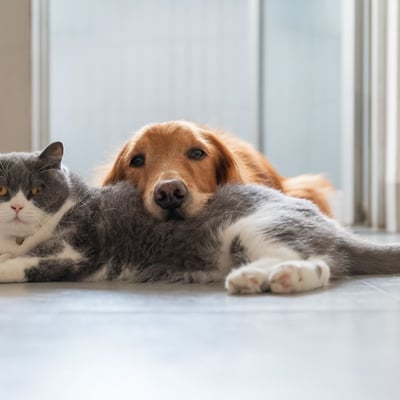
Worried your cat won't accept a new rescue dog? With the right introduction strategy, many dogs and cats learn to …
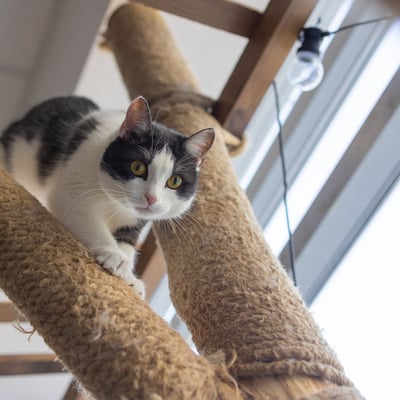
Don't let allergies stop your family from adopting a pet. Learn about hypoallergenic breeds and proven allergy management strategies.
Every pet is an individual. For specifics on temperament and history, contact the rescue organization caring for the dog you're interested in.

No commitment. Cancel anytime.
Get ALL premium features listed above
Subscriptions will automatically renew unless canceled within 24-hours before the end of the current period. You can cancel anytime with your account settings. Any unused portion of a free trial period will be forfeited if you purchase a subscription.