














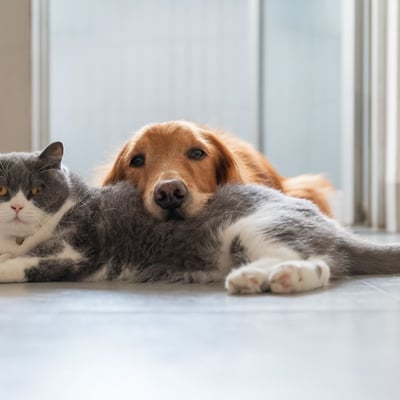
How to Introduce a Rescue Dog to Your Resident Cat
Worried your cat won't accept a new rescue dog? With the right introduction strategy, many dogs and cats learn to …
Read More →
The Saluki, also known as the Persian Greyhound or Tazi, is a dog breed originating from the Middle East. Known for their grace and speed, Salukis are slim, tall dogs with a gentle and independent spirit. They are generally quiet and reserved at home but require regular exercise to maintain their health and happiness. Salukis are intelligent and can be trained, but their independent nature may require a bit more patience. They are generally healthy, with a life expectancy of 12-14 years, but like all breeds, they're prone to certain health conditions. They are sociable with their family but can be aloof with strangers.
Salukis are one of the oldest known breeds of domesticated dogs. They were revered in ancient Egypt and images of dogs resembling Salukis can be seen in ancient Egyptian tombs dating back to 2100 B.C.
When adopting a Saluki, it's important to consider their need for regular exercise and mental stimulation. They do best in homes with a secure area to run and play. Due to their hunting instinct, they should always be kept on a leash or in a secure area when outside. Patience and gentle training methods work best with this sensitive and independent breed.
Salukis typically live between 12-14 years, which is relatively long for a dog of their size.
Salukis are tall and slim dogs. Males typically stand 23-28 inches at the shoulder and weigh between 40-60 pounds. Females are slightly smaller, usually standing 23-27 inches tall and weighing 35-50 pounds.
Salukis are known for their gentle, independent, and reserved nature. They are generally quiet and well-behaved at home, but can be aloof with strangers. They are also known to be sensitive and may not respond well to harsh training methods.
As a breed built for speed and endurance, Salukis require regular exercise to maintain their health and happiness. They enjoy long walks, runs, and playtime in a secure area. However, they are also known to enjoy lounging around the home.
Salukis have a short, smooth coat that requires minimal grooming. Regular brushing will help to remove loose hairs and keep the coat looking its best. They are known to be a relatively clean breed with little 'doggy' odor.
Salukis typically live between 12-14 years, which is relatively long for a dog of their size.
Salukis are generally healthy dogs, but like all breeds, they're prone to certain health conditions. Potential health issues include heart conditions, cancer, and hypothyroidism. Regular vet check-ups and a healthy diet can help to prevent these issues.
Salukis are intelligent dogs with a strong instinct to hunt. They are quick learners but their independent nature can sometimes make training a challenge.
While Salukis are intelligent and can learn quickly, their independent nature can make training a bit of a challenge. They respond best to positive reinforcement and gentle, patient training methods.
Salukis are sociable with their family and get along well with children and other dogs. However, they can be aloof with strangers and may not be the best choice for homes with small pets due to their strong hunting instinct.
Worried your cat won't accept a new rescue dog? With the right introduction strategy, many dogs and cats learn to …
Don't let allergies stop your family from adopting a pet. Learn about hypoallergenic breeds and proven allergy management strategies.

Learn the complete vaccination schedule for your rescue pet, from puppy shots to adult boosters. Essential health timeline every new …
Every pet is an individual. For specifics on temperament and history, contact the rescue organization caring for the dog you're interested in.

No commitment. Cancel anytime.
Get ALL premium features listed above
Subscriptions will automatically renew unless canceled within 24-hours before the end of the current period. You can cancel anytime with your account settings. Any unused portion of a free trial period will be forfeited if you purchase a subscription.