













How to Introduce a Rescue Dog to Your Resident Cat
Worried your cat won't accept a new rescue dog? With the right introduction strategy, many dogs and cats learn to …
Read More →
The Rio Grande Gold Tarantula, scientifically known as Aphonopelma moderatum, is a fascinating pet for those interested in exotic creatures. They are native to the Rio Grande Valley in Texas and are known for their striking gold color. They are relatively small in size, docile in temperament, and have low exercise needs. They require minimal grooming and have a long life expectancy. They are not particularly intelligent or trainable, but they are generally healthy and can be sociable in the right conditions. Adopting a Rio Grande Gold Tarantula requires a commitment to providing a suitable habitat and understanding their unique needs.
The Rio Grande Gold Tarantula is one of the few tarantula species that is native to the United States.
Potential adopters should be prepared to provide a suitable habitat with the correct temperature and humidity. They should also be comfortable with feeding live prey, as this is a necessary part of the tarantula's diet.
Rio Grande Gold Tarantulas have a long life expectancy, with females living up to 20 years and males up to 7 years.
Rio Grande Gold Tarantulas are relatively small compared to other tarantula species, with females reaching a body length of up to 2 inches and males slightly smaller.
These tarantulas are known for their docile nature. They are less likely to show aggression compared to other tarantula species.
Tarantulas do not require exercise in the traditional sense. However, they do need a habitat that allows for natural movement and exploration.
Tarantulas require minimal grooming. Their main grooming need is the occasional removal of old webs and uneaten food from their enclosure.
Rio Grande Gold Tarantulas have a long life expectancy, with females living up to 20 years and males up to 7 years.
These tarantulas are generally healthy, but they can be susceptible to conditions related to improper humidity or temperature in their enclosure.
Tarantulas do not have a high level of intelligence. They operate mainly on instinct and do not have the capacity for learning or problem-solving.
Tarantulas cannot be trained in the traditional sense. They do not have the capacity to learn commands or tricks.
While not sociable in the traditional sense, Rio Grande Gold Tarantulas can be handled by humans if done so carefully and infrequently.
Worried your cat won't accept a new rescue dog? With the right introduction strategy, many dogs and cats learn to …
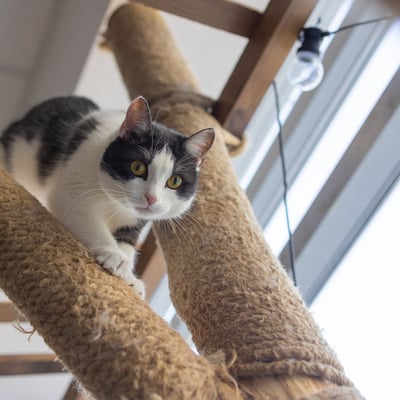
Don't let allergies stop your family from adopting a pet. Learn about hypoallergenic breeds and proven allergy management strategies.

Learn the complete vaccination schedule for your rescue pet, from puppy shots to adult boosters. Essential health timeline every new …
Every pet is an individual. For specifics on temperament and history, contact the rescue organization caring for the dog you're interested in.

No commitment. Cancel anytime.
Get ALL premium features listed above
Subscriptions will automatically renew unless canceled within 24-hours before the end of the current period. You can cancel anytime with your account settings. Any unused portion of a free trial period will be forfeited if you purchase a subscription.