Pet Vaccination Schedule Guide: Your Rescue Pet's Health Timeline
Learn the complete vaccination schedule for your rescue pet, from puppy shots to adult boosters. Essential health timeline every new …
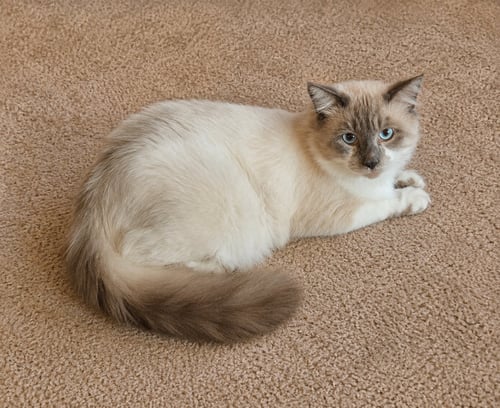
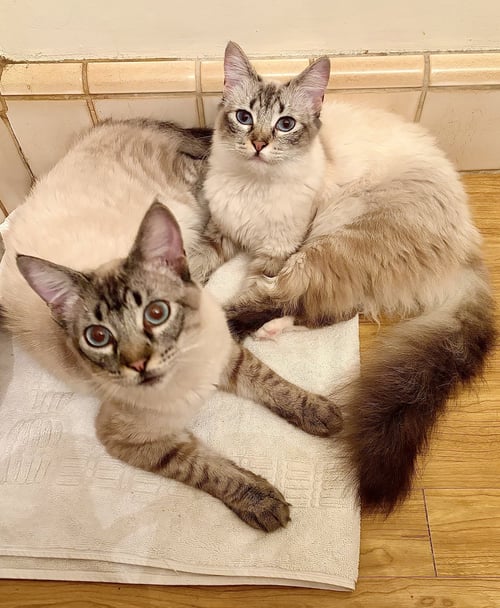
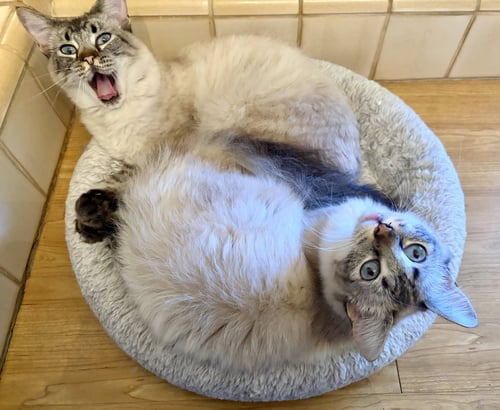
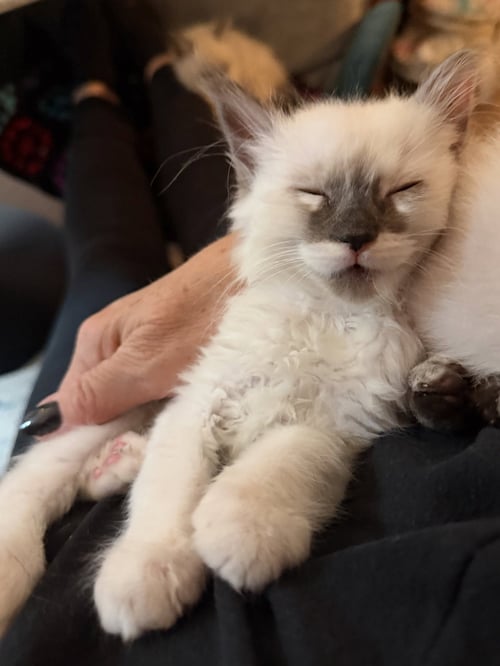
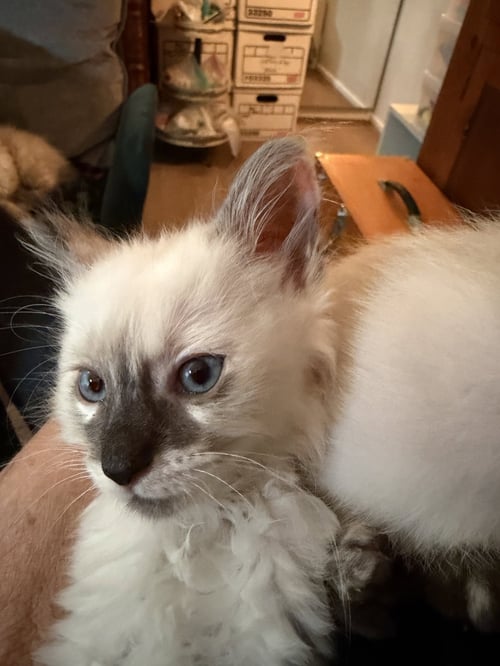
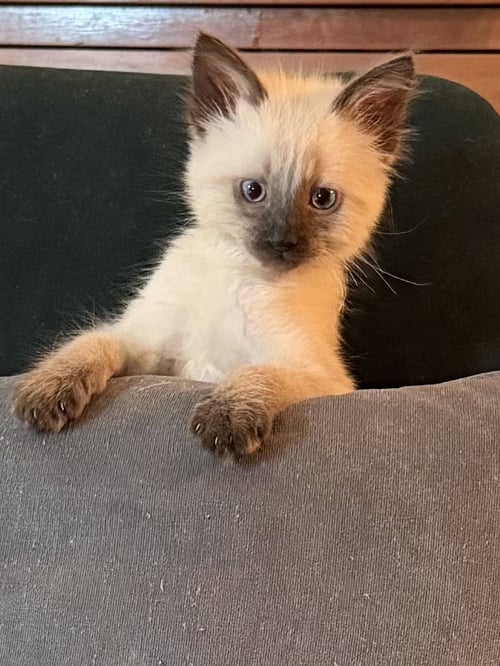
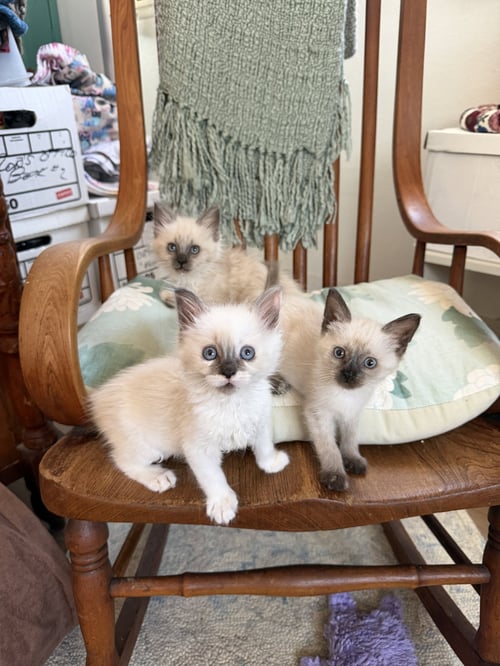
The Ragdoll is a large, affectionate breed known for its striking blue eyes and semi-long, silky coat. They are often described as 'dog-like' due to their tendency to follow their owners around the house and their enjoyment of play. Despite their size, they are typically calm and easygoing, making them excellent companions for families and individuals alike. They are intelligent and relatively easy to train, but they do require regular grooming to keep their coats in good condition. Ragdolls are generally healthy, but they can be prone to certain genetic health issues.

The Ragdoll breed got its name from its tendency to go limp, like a ragdoll, when picked up.
When adopting a Ragdoll, it's important to ensure that they come from a reputable breeder who tests for genetic health issues. Due to their sociable nature, Ragdolls do not do well when left alone for long periods of time, so they are best suited to homes where someone is around most of the time.

Ragdolls typically live between 12 and 15 years, although some can live into their late teens with proper care and regular veterinary check-ups.
Ragdolls are one of the largest domestic cat breeds. Males typically weigh between 12 and 20 pounds, while females are slightly smaller, usually weighing between 8 and 15 pounds.
Ragdolls are known for their calm, gentle, and affectionate temperament. They are typically very relaxed and enjoy being held and cuddled. They are also known to be very 'people-oriented' and often follow their owners around the house.
While Ragdolls are not as active as some other breeds, they still require regular play and stimulation. They enjoy interactive toys and games, and some even enjoy playing fetch.
Ragdolls have a semi-long, plush coat that requires regular grooming to prevent mats and tangles. They should be brushed at least once a week, and more frequently during shedding seasons.
Ragdolls typically live between 12 and 15 years, although some can live into their late teens with proper care and regular veterinary check-ups.
Ragdolls are generally healthy, but they can be prone to certain genetic health issues, including hypertrophic cardiomyopathy (a form of heart disease) and polycystic kidney disease. Regular veterinary check-ups are important to catch any potential issues early.
Ragdolls are intelligent and curious cats. They are quick to learn new commands and tricks, and they enjoy interactive toys and puzzles that challenge their minds.
Thanks to their intelligence and desire to please their owners, Ragdolls are relatively easy to train. They respond well to positive reinforcement techniques, such as treats and praise.
Ragdolls are very sociable cats that enjoy the company of their human family members. They get along well with other pets and are generally good with children, making them a great choice for families.
Learn the complete vaccination schedule for your rescue pet, from puppy shots to adult boosters. Essential health timeline every new …
Getting denied for pet adoption hurts, but understanding common reasons helps you prepare a stronger application.
Discover how full-time workers can successfully adopt and care for rescue pets with practical scheduling tips, breed selection advice, and …
Every pet is an individual. For specifics on temperament and history, contact the rescue organization caring for the cat you're interested in.