












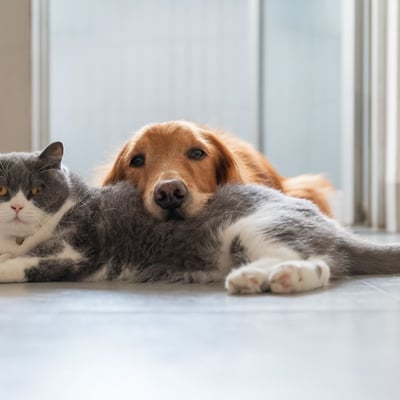
How to Introduce a Rescue Dog to Your Resident Cat
Worried your cat won't accept a new rescue dog? With the right introduction strategy, many dogs and cats learn to …
Read More →
The Puli is a small to medium-sized breed, known for its distinctive, corded coat that resembles dreadlocks. This breed is highly intelligent, energetic, and agile, originally bred for herding. Pulis are known for their loyalty and protective nature, making them excellent family pets. They require a significant amount of exercise and mental stimulation, and their unique coat requires special grooming. They are generally healthy, with a life expectancy of 12-16 years. Training a Puli can be a challenge due to their independent nature, but with consistent, positive reinforcement methods, they can be well-trained. They are sociable dogs, but can be reserved with strangers.
The Puli's unique corded coat actually serves a purpose - it protected them from the harsh weather and predators in their native Hungary.
When adopting a Puli, be prepared for their high energy levels and grooming needs. They require a lot of exercise and mental stimulation, so they are best suited to active families. Their coat requires regular maintenance to keep it healthy and prevent matting. Socialization and training from a young age is important to help them become well-adjusted adults.
Pulis are generally healthy dogs, with a life expectancy of 12-16 years.
The Puli is a small to medium-sized breed. Males typically weigh between 25-35 pounds, and females between 20-30 pounds. They stand about 16-17 inches tall at the shoulder.
Pulis are known for their energetic, intelligent, and protective nature. They are loyal to their families and can be reserved with strangers. They are also known for their sense of humor and playful nature.
As a herding breed, Pulis require a significant amount of exercise. They enjoy activities such as running, playing, and herding. They also benefit from mental stimulation, such as puzzle toys or advanced obedience training.
The Puli's unique corded coat requires special grooming. The cords must be separated regularly to prevent matting. They do not shed much, but their coat can take a long time to dry after bathing.
Pulis are generally healthy dogs, with a life expectancy of 12-16 years.
Pulis are generally healthy, but like all breeds, they're prone to certain health conditions. Potential health issues include hip dysplasia, eye disorders, and skin conditions.
Pulis are highly intelligent dogs. They were originally bred for herding, which requires problem-solving skills and quick thinking.
Training a Puli can be a challenge due to their independent nature. However, with consistent, positive reinforcement methods, they can be well-trained. They excel in obedience, agility, and herding events.
Pulis are sociable dogs with their families, but can be reserved with strangers. They get along well with other dogs and pets, especially if they are socialized from a young age.
Worried your cat won't accept a new rescue dog? With the right introduction strategy, many dogs and cats learn to …
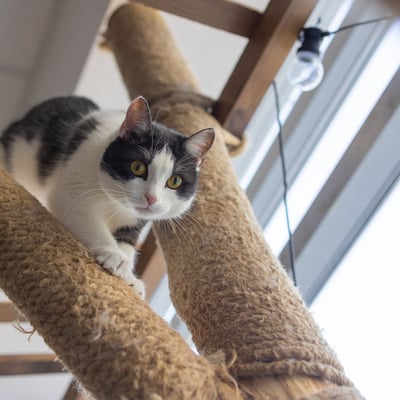
Don't let allergies stop your family from adopting a pet. Learn about hypoallergenic breeds and proven allergy management strategies.
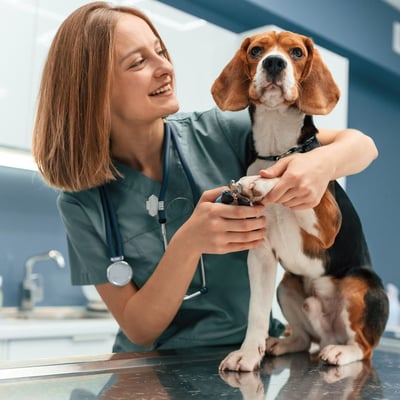
Learn the complete vaccination schedule for your rescue pet, from puppy shots to adult boosters. Essential health timeline every new …
Every pet is an individual. For specifics on temperament and history, contact the rescue organization caring for the dog you're interested in.

No commitment. Cancel anytime.
Get ALL premium features listed above
Subscriptions will automatically renew unless canceled within 24-hours before the end of the current period. You can cancel anytime with your account settings. Any unused portion of a free trial period will be forfeited if you purchase a subscription.