












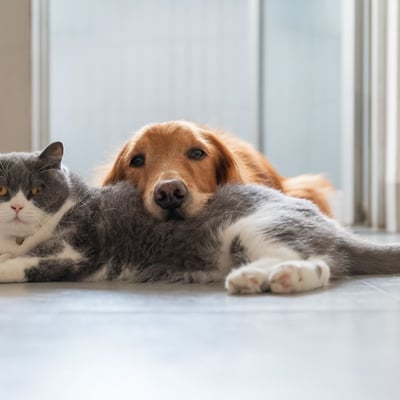
How to Introduce a Rescue Dog to Your Resident Cat
Worried your cat won't accept a new rescue dog? With the right introduction strategy, many dogs and cats learn to …
Read More →
Peacocks, or Peafowls, are not your typical pet. They are large, exotic birds known for their stunning tail feathers and majestic strut. They are not particularly affectionate or interactive with humans, but they can be a beautiful and interesting addition to a large backyard or farm. They require a lot of space and a specific diet, and they can be quite loud. However, their beauty and unique behaviors can make them a rewarding pet for the right person or family.
The beautiful tail feathers that peacocks are known for are actually not their tail feathers at all. They are upper tail coverts, or extra-long feathers that cover the base of the tail.
Before adopting a peafowl, make sure you have enough space and the right environment for them. They need a large, secure enclosure to protect them from predators. They also need a high perch for sleeping. Make sure you are prepared for their loud calls, especially during mating season.
Peafowls can live up to 20 years in captivity with proper care.
Peafowls are large birds. Males, or peacocks, can reach lengths of 7.5 feet, including their tail feathers, and weigh up to 13 pounds. Females, or peahens, are slightly smaller.
Peafowls are not particularly affectionate or interactive with humans. They are generally peaceful birds, but they can be aggressive during mating season.
Peafowls need a lot of space to roam and fly. They are not suitable for small backyards or apartments.
Peafowls require minimal grooming. They preen their own feathers and do not require baths.
Peafowls can live up to 20 years in captivity with proper care.
Peafowls are generally healthy birds, but they can be prone to parasites and certain diseases, especially if they are not provided with a proper diet and living conditions.
Peafowls are not known for their intelligence. They have basic survival instincts, but they do not have the problem-solving abilities of some other bird species.
Peafowls are not easily trainable. They are independent birds and do not respond well to attempts to modify their behavior.
Peafowls are not particularly sociable with humans, but they do well with other peafowls. They can be aggressive towards other bird species.
Worried your cat won't accept a new rescue dog? With the right introduction strategy, many dogs and cats learn to …
Don't let allergies stop your family from adopting a pet. Learn about hypoallergenic breeds and proven allergy management strategies.

Learn the complete vaccination schedule for your rescue pet, from puppy shots to adult boosters. Essential health timeline every new …
Every pet is an individual. For specifics on temperament and history, contact the rescue organization caring for the dog you're interested in.

No commitment. Cancel anytime.
Get ALL premium features listed above
Subscriptions will automatically renew unless canceled within 24-hours before the end of the current period. You can cancel anytime with your account settings. Any unused portion of a free trial period will be forfeited if you purchase a subscription.