













How to Introduce a Rescue Dog to Your Resident Cat
Worried your cat won't accept a new rescue dog? With the right introduction strategy, many dogs and cats learn to …
Read More →
Parrotlets are small, vibrant, and intelligent birds that make excellent pets for those who can provide them with the necessary care and attention. They are known for their playful and affectionate nature, and they can form strong bonds with their owners. Despite their small size, they have a big personality and can be quite assertive. They are also known for their longevity, with a life expectancy of up to 20 years. Parrotlets are relatively easy to care for, but they do require mental stimulation and social interaction to thrive. They are also capable of learning tricks and mimicking sounds, which can be a source of entertainment for their owners.
Despite their small size, parrotlets have a big personality and are often referred to as 'pocket parrots'.
When adopting a parrotlet, ensure you have enough time to interact with them daily. They require a safe and spacious cage with plenty of toys for mental stimulation. Regular vet check-ups are also important to maintain their health.
Parrotlets have a relatively long lifespan for a bird of their size. They can live up to 20 years, although the average lifespan is typically around 15 years.
Parrotlets are one of the smallest species of parrots, typically measuring between 4 to 5 inches in length. Despite their small size, they are robust and have a compact body structure.
Parrotlets are known for their playful and affectionate nature. They can be assertive and may show territorial behavior, especially if they feel threatened. They are also known to be quite independent and can entertain themselves for hours.
Parrotlets need daily exercise to maintain their physical health. This can include flying in a safe and enclosed environment, playing with toys, and climbing on bird ladders or ropes.
Parrotlets require minimal grooming. They naturally preen their feathers to keep them clean. However, they do enjoy occasional mist baths or shallow water baths.
Parrotlets have a relatively long lifespan for a bird of their size. They can live up to 20 years, although the average lifespan is typically around 15 years.
Parrotlets are generally healthy birds, but they can be prone to certain conditions such as obesity, feather plucking, and respiratory infections. Regular veterinary check-ups are recommended.
Parrotlets are highly intelligent and curious birds. They can learn to mimic sounds and can be trained to perform simple tricks. They also enjoy problem-solving toys.
With patience and positive reinforcement, parrotlets can be trained to perform tricks and to step up onto a finger or perch. However, they can be stubborn at times, so training may require persistence.
Parrotlets can form strong bonds with their owners and enjoy social interaction. However, they can also be independent and are capable of entertaining themselves. They can be territorial with other birds, so they are often kept as single pets.
Worried your cat won't accept a new rescue dog? With the right introduction strategy, many dogs and cats learn to …
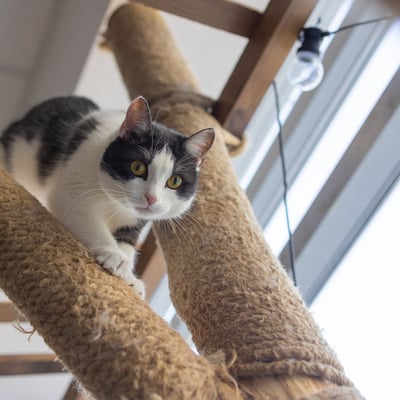
Don't let allergies stop your family from adopting a pet. Learn about hypoallergenic breeds and proven allergy management strategies.

Learn the complete vaccination schedule for your rescue pet, from puppy shots to adult boosters. Essential health timeline every new …
Every pet is an individual. For specifics on temperament and history, contact the rescue organization caring for the dog you're interested in.

No commitment. Cancel anytime.
Get ALL premium features listed above
Subscriptions will automatically renew unless canceled within 24-hours before the end of the current period. You can cancel anytime with your account settings. Any unused portion of a free trial period will be forfeited if you purchase a subscription.