













Clear The Shelters 2026: 135,000+ Adoptions and the Technology Behind Them
Clear The Shelters 2026 helped 135,000+ pets find homes. See the national results, local wins, and how WeRescue powered the …
Read More →
The Netherland Dwarf is a small, compact rabbit breed known for its adorable, baby-like appearance that lasts into adulthood. They are generally friendly and good-natured, making them a popular choice for pet owners. However, they can be a bit skittish and may not be the best choice for families with young children. They require a moderate amount of exercise and grooming, and have a life expectancy of 7-10 years. They are generally healthy, but can be prone to certain genetic conditions. They are intelligent and can be trained, but this may require patience and consistency. They are social animals and do well with companionship.
The Netherland Dwarf was first created in the Netherlands in the early 20th century by crossing smaller rabbit breeds to create a tiny, domesticated pet rabbit.
When adopting a Netherland Dwarf, ensure you have a safe, spacious environment for them to live and play in. They can be a bit skittish, so a calm, quiet home is best. Regular vet check-ups are important to monitor for potential health issues.
Netherland Dwarfs have a life expectancy of 7-10 years, which is relatively long for a rabbit. Their lifespan can be extended with proper care and a healthy diet.
Netherland Dwarfs are one of the smallest rabbit breeds, typically weighing between 1.1 to 2.5 pounds. Their small size makes them easy to handle and accommodate, but they may be more fragile than larger breeds.
They are generally friendly and good-natured, but can be a bit skittish and may not be the best choice for families with young children. They can also be quite independent and may not always want to be handled.
Netherland Dwarfs are active and playful, and require a moderate amount of exercise. They should have a safe space to run and play, either indoors or outdoors.
Their short, dense coat requires regular brushing to prevent matting and hairballs. They are generally clean animals and do not require frequent baths.
Netherland Dwarfs have a life expectancy of 7-10 years, which is relatively long for a rabbit. Their lifespan can be extended with proper care and a healthy diet.
They are generally healthy, but can be prone to dental disease due to their small jaws. They can also be susceptible to genetic conditions such as malocclusion.
Netherland Dwarfs are intelligent and curious. They can be trained to use a litter box and to perform simple tricks, but this may require patience and consistency.
While they are intelligent, Netherland Dwarfs can be stubborn and independent. Training them requires patience and consistency, but they are capable of learning simple commands and tricks.
Netherland Dwarfs are social animals and do well with companionship. They can be kept with other rabbits, but should be properly introduced to prevent territorial disputes.
Mini Rex Lionhead Dwarf Hotot American Fuzzy Lop Belgian Hare
Clear The Shelters 2026 helped 135,000+ pets find homes. See the national results, local wins, and how WeRescue powered the …

Worried your cat won't accept a new rescue dog? With the right introduction strategy, many dogs and cats learn to …
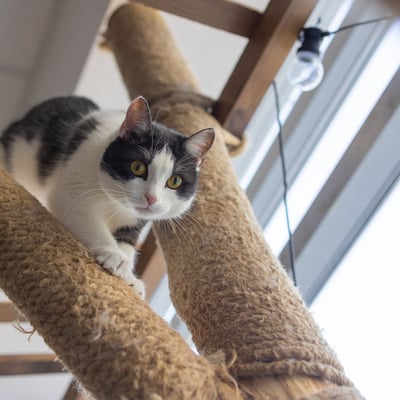
Don't let allergies stop your family from adopting a pet. Learn about hypoallergenic breeds and proven allergy management strategies.
Every pet is an individual. For specifics on temperament and history, contact the rescue organization caring for the dog you're interested in.

No commitment. Cancel anytime.
Get ALL premium features listed above
Subscriptions will automatically renew unless canceled within 24-hours before the end of the current period. You can cancel anytime with your account settings. Any unused portion of a free trial period will be forfeited if you purchase a subscription.