














How to Introduce a Rescue Dog to Your Resident Cat
Worried your cat won't accept a new rescue dog? With the right introduction strategy, many dogs and cats learn to …
Read More →
The Maremma Sheepdog, also known as the Maremmano-Abruzzese, is a large breed of dog, originally from Italy, used for centuries to guard sheep from wolves. The breed is known for its friendly and well-mannered temperament, but also for its independence and protective nature. They are intelligent dogs with a strong instinct to guard their home and family. They require regular exercise to keep them healthy and happy. Their thick, white coat needs regular grooming to keep it in good condition. They have a life expectancy of 11-13 years and are generally healthy, but like all breeds, they can be prone to certain health conditions. Training a Maremma Sheepdog can be a challenge due to their independent nature, but with patience and consistency, they can be well trained. They are sociable dogs who get along well with other animals and people, but they do best in homes with large, securely fenced yards where they can patrol and feel useful.
The Maremma Sheepdog is an ancient breed, with roots dating back over 2000 years to when dogs were used by shepherds to protect their flocks from wolves.
When adopting a Maremma Sheepdog, it's important to consider their need for space and their instinct to guard. They do best in homes with large, securely fenced yards. Early socialization and obedience training are also important for this breed. Potential adopters should also be prepared for their grooming needs, especially during their twice-yearly shedding seasons.
Maremma Sheepdogs have a life expectancy of 11-13 years.
Maremma Sheepdogs are large dogs. Males stand 25.5-28.5 inches tall at the shoulder and weigh 77-100 pounds. Females are slightly smaller, standing 23.5-26.5 inches tall and weighing 66-88 pounds.
They are known for their friendly and well-mannered temperament. They are calm, brave, and have a good nature. However, they can be independent and protective, which can lead to them being wary of strangers.
Maremma Sheepdogs require regular exercise to keep them healthy and happy. They enjoy long walks, runs, and playtime in a secure yard. They also enjoy tasks and activities that stimulate their mind.
Their thick, white coat needs regular grooming to keep it in good condition. They shed heavily twice a year, during which time they may need to be brushed daily.
Maremma Sheepdogs have a life expectancy of 11-13 years.
They are generally healthy, but like all breeds, they can be prone to certain health conditions. Potential health problems include hip dysplasia, eye problems, and skin conditions.
Maremma Sheepdogs are intelligent dogs with a strong instinct to guard their home and family. They are quick to learn and eager to please, but their independent nature can sometimes make them seem stubborn.
Training a Maremma Sheepdog can be a challenge due to their independent nature. However, with patience, consistency, and positive reinforcement, they can be well trained.
They are sociable dogs who get along well with other animals and people. However, they do best in homes with large, securely fenced yards where they can patrol and feel useful.
Worried your cat won't accept a new rescue dog? With the right introduction strategy, many dogs and cats learn to …
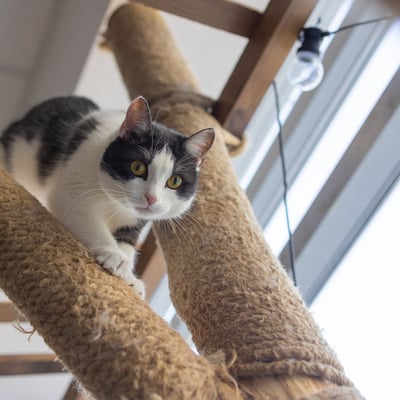
Don't let allergies stop your family from adopting a pet. Learn about hypoallergenic breeds and proven allergy management strategies.

Learn the complete vaccination schedule for your rescue pet, from puppy shots to adult boosters. Essential health timeline every new …
Every pet is an individual. For specifics on temperament and history, contact the rescue organization caring for the dog you're interested in.

No commitment. Cancel anytime.
Get ALL premium features listed above
Subscriptions will automatically renew unless canceled within 24-hours before the end of the current period. You can cancel anytime with your account settings. Any unused portion of a free trial period will be forfeited if you purchase a subscription.