













How to Introduce a Rescue Dog to Your Resident Cat
Worried your cat won't accept a new rescue dog? With the right introduction strategy, many dogs and cats learn to …
Read More →
The Lop Eared Rabbit is a popular breed known for its distinctive long, floppy ears. They are medium to large in size and have a friendly, gentle temperament, making them great pets for families and individuals. They require moderate exercise and grooming, and have a life expectancy of 5-10 years. They are generally healthy, but like all rabbits, they can be prone to certain health issues. They are intelligent and can be trained to use a litter box, but they may not be as trainable as some other pets. They are social animals and enjoy the company of their human family members and other rabbits.
The 'lop' in Lop Eared Rabbit refers to the breed's characteristic long, floppy ears, which can be as long as 22 inches!
When adopting a Lop Eared Rabbit, make sure you have enough space for them to hop around and play. They also need a diet high in hay to keep their teeth and digestive system healthy. Regular vet check-ups are important to catch any potential health issues early.
The average life expectancy of a Lop Eared Rabbit is 5-10 years, although some can live longer with proper care.
Lop Eared Rabbits are medium to large in size, typically weighing between 5-15 pounds.
They are known for their calm, friendly and gentle nature. They are typically good with children and other pets.
Lop Eared Rabbits need a moderate amount of exercise. They should have a large, safe area to hop around in daily.
Their fur is relatively low-maintenance, but they do shed and will need regular brushing. Their long ears also need to be checked and cleaned regularly.
The average life expectancy of a Lop Eared Rabbit is 5-10 years, although some can live longer with proper care.
They are generally healthy, but can be prone to dental problems, ear infections, and obesity. Regular vet check-ups are important.
Lop Eared Rabbits are intelligent and can learn to recognize their name and respond to basic commands.
They can be trained to use a litter box, but may not be as trainable as some other pets. Patience and consistency are key.
They are social animals and enjoy the company of their human family members and other rabbits. They do not like to be alone for long periods of time.
Worried your cat won't accept a new rescue dog? With the right introduction strategy, many dogs and cats learn to …
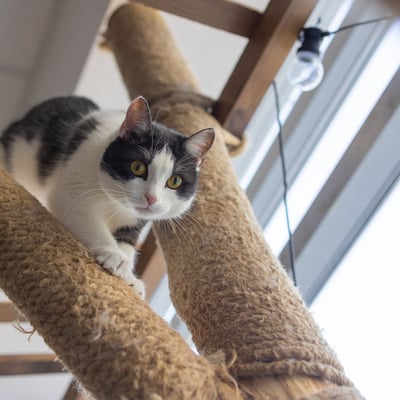
Don't let allergies stop your family from adopting a pet. Learn about hypoallergenic breeds and proven allergy management strategies.

Learn the complete vaccination schedule for your rescue pet, from puppy shots to adult boosters. Essential health timeline every new …
Every pet is an individual. For specifics on temperament and history, contact the rescue organization caring for the dog you're interested in.

No commitment. Cancel anytime.
Get ALL premium features listed above
Subscriptions will automatically renew unless canceled within 24-hours before the end of the current period. You can cancel anytime with your account settings. Any unused portion of a free trial period will be forfeited if you purchase a subscription.