












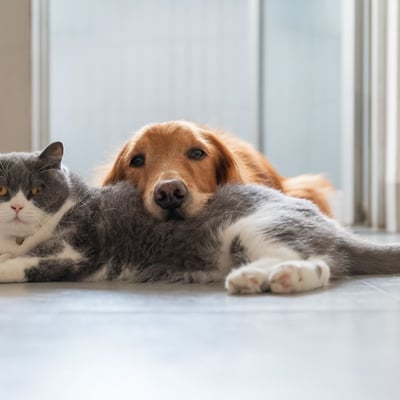
How to Introduce a Rescue Dog to Your Resident Cat
Worried your cat won't accept a new rescue dog? With the right introduction strategy, many dogs and cats learn to …
Read More →
The Longhorn breed, native to North America, is known for its distinctive long horns that can extend up to 7 feet. They are medium-sized cows, with a hardy and adaptable nature, making them suitable for various climates and conditions. Longhorns are generally calm and easygoing, but they require ample space to roam and graze. They have a low grooming need as they naturally shed their winter coats. With a life expectancy of 20-25 years, they are relatively healthy with few breed-specific health issues. They are intelligent and trainable but require experienced handlers. Longhorns are social animals and do well in herds.
The Longhorn breed was saved from near extinction by enthusiasts in the 1920s and has since become a symbol of the American West.
Adopting a Longhorn requires a commitment to providing ample space and proper care. They are best suited for individuals with experience in handling and caring for large livestock. It's also important to remember that Longhorns are social animals and do best in a herd, so consider adopting more than one if possible.
Longhorns have a life expectancy of 20-25 years, which is relatively long for cows.
Longhorns are medium-sized cows, with females weighing between 800-1000 pounds and males weighing between 1000-1600 pounds.
Longhorns are known for their calm and easygoing temperament. They are generally docile and friendly.
As grazing animals, Longhorns require ample space to roam and graze. They are not high-energy animals, but they do need regular exercise to maintain their health.
Longhorns have a low grooming need. They naturally shed their winter coats and do not require regular brushing.
Longhorns have a life expectancy of 20-25 years, which is relatively long for cows.
Longhorns are hardy and adaptable, with few breed-specific health issues. They are known for their resistance to diseases and parasites.
Longhorns are intelligent animals. They have a good memory and can remember locations and individuals for a long time.
Longhorns are trainable but require experienced handlers. They respond well to consistent, gentle handling.
Longhorns are social animals. They do well in herds and enjoy the company of other cows.
Worried your cat won't accept a new rescue dog? With the right introduction strategy, many dogs and cats learn to …

Don't let allergies stop your family from adopting a pet. Learn about hypoallergenic breeds and proven allergy management strategies.

Learn the complete vaccination schedule for your rescue pet, from puppy shots to adult boosters. Essential health timeline every new …
Every pet is an individual. For specifics on temperament and history, contact the rescue organization caring for the dog you're interested in.

No commitment. Cancel anytime.
Get ALL premium features listed above
Subscriptions will automatically renew unless canceled within 24-hours before the end of the current period. You can cancel anytime with your account settings. Any unused portion of a free trial period will be forfeited if you purchase a subscription.