













How to Introduce a Rescue Dog to Your Resident Cat
Worried your cat won't accept a new rescue dog? With the right introduction strategy, many dogs and cats learn to …
Read More →
The Lilac rabbit is a medium-sized breed known for its unique lilac-gray fur and friendly, docile temperament. They are relatively low-maintenance pets, requiring moderate exercise and grooming. Lilacs are intelligent and sociable, making them a great choice for families and individuals alike. They have a good life expectancy and are generally healthy, but like all rabbits, they require regular vet check-ups. They are moderately easy to train, especially with positive reinforcement techniques. Adopting a Lilac rabbit can be a rewarding experience, as they are known to form strong bonds with their human caregivers.
The Lilac rabbit breed was first developed in the early 20th century in Britain, and its unique color is a result of careful selective breeding.
When adopting a Lilac rabbit, ensure you have enough space for them to exercise and play. They enjoy social interaction, so plan to spend quality time with your new pet. Regular grooming and health check-ups are also essential for their well-being.
Lilac rabbits have a good life expectancy, typically living between 5 to 8 years. With proper care, some can even live into their teens.
Lilac rabbits are medium-sized, typically weighing between 5.5 to 8 pounds. They have a compact, muscular build with a rounded back.
Lilacs are known for their docile, friendly nature. They are generally calm and enjoy being handled, making them a good choice for families with children.
Like all rabbits, Lilacs require regular exercise to maintain their health. They enjoy running, jumping, and exploring their environment, so a safe, enclosed space for play is essential.
Lilacs have a dense, short coat that requires moderate grooming. Regular brushing will help prevent matting and hairballs.
Lilac rabbits have a good life expectancy, typically living between 5 to 8 years. With proper care, some can even live into their teens.
Lilacs are generally healthy, but like all rabbits, they are prone to certain health issues such as dental problems and gastrointestinal stasis. Regular vet check-ups are essential.
Lilac rabbits are intelligent and curious. They enjoy interactive toys and problem-solving activities.
Lilacs are moderately easy to train, especially with positive reinforcement techniques. They can learn to use a litter box and respond to basic commands.
Lilacs are sociable animals that enjoy the company of their human caregivers. They can also get along well with other rabbits if properly introduced.
Worried your cat won't accept a new rescue dog? With the right introduction strategy, many dogs and cats learn to …
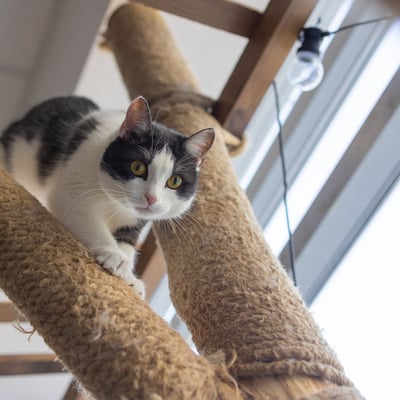
Don't let allergies stop your family from adopting a pet. Learn about hypoallergenic breeds and proven allergy management strategies.

Learn the complete vaccination schedule for your rescue pet, from puppy shots to adult boosters. Essential health timeline every new …
Every pet is an individual. For specifics on temperament and history, contact the rescue organization caring for the dog you're interested in.

No commitment. Cancel anytime.
Get ALL premium features listed above
Subscriptions will automatically renew unless canceled within 24-hours before the end of the current period. You can cancel anytime with your account settings. Any unused portion of a free trial period will be forfeited if you purchase a subscription.