












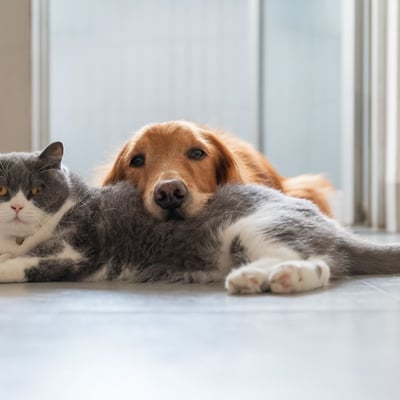
How to Introduce a Rescue Dog to Your Resident Cat
Worried your cat won't accept a new rescue dog? With the right introduction strategy, many dogs and cats learn to …
Read More →
The Lancashire Heeler is a small, energetic, and intelligent breed, originally bred for herding and driving cattle. They are known for their friendly and affectionate nature, making them great family pets. However, they have a strong herding instinct and can be a bit stubborn, requiring consistent training and socialization from a young age. They are generally healthy and have a long lifespan, but they do have some breed-specific health concerns. Their grooming needs are minimal, but they do require a good amount of exercise to keep them happy and healthy. They are highly sociable and get along well with other pets and children, but they can be wary of strangers.
Despite their small size, Lancashire Heelers were originally bred for herding and driving cattle, and they still retain a strong herding instinct today.
When adopting a Lancashire Heeler, it's important to ensure you can provide them with enough exercise and mental stimulation. Early socialization and consistent training are also key. Potential adopters should also be prepared for a long-term commitment, as this breed has a relatively long lifespan.
The average lifespan of a Lancashire Heeler is around 12 to 15 years, which is relatively long for a dog of their size.
The Lancashire Heeler is a small breed, typically weighing between 6 to 13 pounds and standing about 10 to 12 inches tall at the shoulder.
They are known for their friendly, affectionate, and alert nature. They are also known to be quite stubborn at times, which can make training a bit of a challenge.
Despite their small size, Lancashire Heelers are energetic and require regular exercise to keep them healthy and prevent boredom. This can include daily walks, playtime in the yard, or mental stimulation through puzzle toys.
Lancashire Heelers have a short, dense coat that requires minimal grooming. Regular brushing will help to remove loose hair and keep their coat looking its best.
The average lifespan of a Lancashire Heeler is around 12 to 15 years, which is relatively long for a dog of their size.
Lancashire Heelers are generally healthy, but they can be prone to certain genetic health conditions, including Primary Lens Luxation (PLL) and Collie Eye Anomaly (CEA). Regular vet check-ups and a healthy diet can help to prevent these issues.
Lancashire Heelers are highly intelligent and quick to learn. However, their stubborn streak can sometimes make training a challenge.
While they are intelligent and capable of learning quickly, their stubborn nature can make training a bit of a challenge. Consistent, positive reinforcement methods work best with this breed.
Lancashire Heelers are friendly and sociable with their families, including other pets and children. However, they can be wary of strangers and may require proper socialization from a young age.
Worried your cat won't accept a new rescue dog? With the right introduction strategy, many dogs and cats learn to …
Don't let allergies stop your family from adopting a pet. Learn about hypoallergenic breeds and proven allergy management strategies.

Learn the complete vaccination schedule for your rescue pet, from puppy shots to adult boosters. Essential health timeline every new …
Every pet is an individual. For specifics on temperament and history, contact the rescue organization caring for the dog you're interested in.

No commitment. Cancel anytime.
Get ALL premium features listed above
Subscriptions will automatically renew unless canceled within 24-hours before the end of the current period. You can cancel anytime with your account settings. Any unused portion of a free trial period will be forfeited if you purchase a subscription.