













How to Introduce a Rescue Dog to Your Resident Cat
Worried your cat won't accept a new rescue dog? With the right introduction strategy, many dogs and cats learn to …
Read More →
The Japanese Chin is a small, well-mannered breed known for its aristocratic demeanor and playful personality. They are intelligent, easy to train, and make excellent companions. They are a relatively low-maintenance breed, requiring only moderate exercise and grooming. However, they are prone to certain health issues and have a shorter life expectancy compared to other small breeds. Despite these concerns, their sociable nature and adaptability make them a great choice for families, seniors, and apartment dwellers.
The Japanese Chin is not actually from Japan, but likely originated in China. The breed was later developed in Japan, which is how it got its name.
When adopting a Japanese Chin, it's important to consider their health needs. Regular vet check-ups and a balanced diet are crucial. They are also sensitive to heat due to their flat faces, so they should be kept in a cool, comfortable environment.
The average life expectancy of a Japanese Chin is between 10 to 12 years, which is slightly shorter than other small breeds.
Japanese Chins are small dogs, typically weighing between 7 to 11 pounds and standing about 8 to 11 inches tall at the shoulder.
Japanese Chins are known for their friendly, good-natured, and affectionate temperament. They are generally quiet and well-behaved, but can be playful and lively when they want to be.
Japanese Chins require moderate exercise to keep them healthy and happy. A few short walks and play sessions each day should be sufficient.
Japanese Chins have a long, silky coat that requires regular brushing to prevent matting and tangling. They are considered average shedders.
The average life expectancy of a Japanese Chin is between 10 to 12 years, which is slightly shorter than other small breeds.
Japanese Chins are prone to certain health issues, including heart murmurs, luxating patella, and eye problems. Regular vet check-ups and a healthy diet can help manage these issues.
Japanese Chins are intelligent dogs that are quick to learn new commands and tricks. They are known for their problem-solving abilities.
Japanese Chins are generally easy to train due to their intelligence and eagerness to please. However, they can be stubborn at times, so patience and consistency are key.
Japanese Chins are sociable dogs that get along well with other pets and people. They are known for their friendly and outgoing nature.
Worried your cat won't accept a new rescue dog? With the right introduction strategy, many dogs and cats learn to …
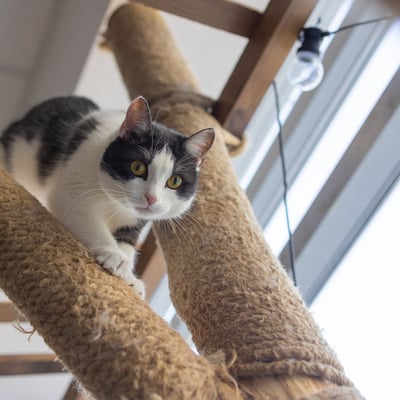
Don't let allergies stop your family from adopting a pet. Learn about hypoallergenic breeds and proven allergy management strategies.

Learn the complete vaccination schedule for your rescue pet, from puppy shots to adult boosters. Essential health timeline every new …
Every pet is an individual. For specifics on temperament and history, contact the rescue organization caring for the dog you're interested in.

No commitment. Cancel anytime.
Get ALL premium features listed above
Subscriptions will automatically renew unless canceled within 24-hours before the end of the current period. You can cancel anytime with your account settings. Any unused portion of a free trial period will be forfeited if you purchase a subscription.