













How to Introduce a Rescue Dog to Your Resident Cat
Worried your cat won't accept a new rescue dog? With the right introduction strategy, many dogs and cats learn to …
Read More →
The Indian Ornamental Tarantula, scientifically known as Poecilotheria regalis, is a large and beautiful species of tarantula native to India. They are known for their striking coloration and patterns, making them a popular choice among exotic pet enthusiasts. However, they are not recommended for beginners due to their fast speed and defensive nature. They are a low-maintenance pet, requiring minimal grooming and exercise. They are not particularly sociable and do not require companionship, making them suitable for individuals who prefer a more independent pet. They have a relatively long life expectancy, especially for females, which can live up to 12 years.
The Indian Ornamental Tarantula is one of the few tarantula species that can 'parachute' by using their webbing to catch the wind and float to a new location.
Potential adopters should have prior experience with tarantulas due to their fast speed and defensive nature. A secure enclosure with plenty of vertical space is essential. Regular maintenance of the enclosure is necessary to ensure their health and well-being.
Females have a long life expectancy, living up to 12 years. Males have a shorter lifespan, typically living up to 4 years.
Indian Ornamental Tarantulas are one of the larger tarantula species, with females reaching up to 7-9 inches in leg span. Males are slightly smaller, typically reaching 5-6 inches.
They are known for their defensive nature and can be quite skittish. They are not aggressive but will not hesitate to bite if they feel threatened.
As a species that spends most of their time in trees, they do not require a lot of exercise. A well-structured enclosure with plenty of vertical space is sufficient for their physical needs.
They require minimal grooming. Regular enclosure maintenance, such as removing uneaten prey and cleaning water dishes, is necessary for their health.
Females have a long life expectancy, living up to 12 years. Males have a shorter lifespan, typically living up to 4 years.
They are generally hardy and do not have many health issues. However, they can be prone to dehydration and stress if their environment is not properly maintained.
While tarantulas do not have high cognitive abilities, they are skilled hunters and have complex mating rituals.
Tarantulas are not trainable in the traditional sense. They operate mainly on instinct and do not have the capacity to learn tricks or commands.
Indian Ornamental Tarantulas are solitary creatures and do not require companionship. They can be aggressive towards other tarantulas, especially males.
Worried your cat won't accept a new rescue dog? With the right introduction strategy, many dogs and cats learn to …
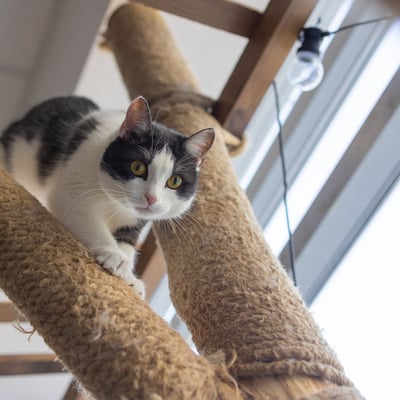
Don't let allergies stop your family from adopting a pet. Learn about hypoallergenic breeds and proven allergy management strategies.

Learn the complete vaccination schedule for your rescue pet, from puppy shots to adult boosters. Essential health timeline every new …
Every pet is an individual. For specifics on temperament and history, contact the rescue organization caring for the dog you're interested in.

No commitment. Cancel anytime.
Get ALL premium features listed above
Subscriptions will automatically renew unless canceled within 24-hours before the end of the current period. You can cancel anytime with your account settings. Any unused portion of a free trial period will be forfeited if you purchase a subscription.