












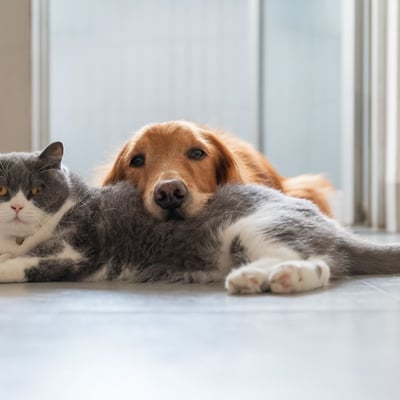
How to Introduce a Rescue Dog to Your Resident Cat
Worried your cat won't accept a new rescue dog? With the right introduction strategy, many dogs and cats learn to …
Read More →
The Flemish Giant is a large and friendly breed of domestic rabbit known for its docile nature and patient demeanor. They are often referred to as the 'gentle giants' of the rabbit world. Despite their large size, they are quite easy to handle and are known for their good temperament. They require a larger living space and more food than smaller rabbit breeds. They are intelligent and can be trained to use a litter box. Their sociability makes them excellent pets for families and they are generally good with children and other pets.
The Flemish Giant is one of the oldest and largest rabbit breeds in the world. They were originally bred in Belgium in the 16th century.
When adopting a Flemish Giant, ensure you have enough space for them to move around comfortably. They also eat more than smaller breeds, so be prepared for higher food costs. Regular vet check-ups are important to monitor their health.
Flemish Giants have a life expectancy of 5 to 10 years, which is average for a rabbit of their size.
Flemish Giants are one of the largest breeds of rabbit, with males weighing up to 22 pounds and females up to 20 pounds. They require a larger living space than smaller rabbit breeds.
Flemish Giants are known for their docile and patient demeanor. They are generally calm and easy to handle, making them excellent pets for families.
Flemish Giants require regular exercise to maintain their health. They should have access to a large, secure area where they can run and play.
Flemish Giants have a short, dense coat that requires minimal grooming. They should be brushed weekly to remove loose hair and prevent hairballs.
Flemish Giants have a life expectancy of 5 to 10 years, which is average for a rabbit of their size.
Flemish Giants are generally healthy, but they are prone to certain health issues like obesity, ear mites, and gastrointestinal stasis. Regular veterinary check-ups are recommended.
Flemish Giants are intelligent and can be trained to use a litter box. They also enjoy interactive toys and games.
With patience and positive reinforcement, Flemish Giants can be trained to use a litter box and to respond to basic commands.
Flemish Giants are sociable and enjoy the company of their human family members. They are generally good with children and other pets.
Worried your cat won't accept a new rescue dog? With the right introduction strategy, many dogs and cats learn to …
Don't let allergies stop your family from adopting a pet. Learn about hypoallergenic breeds and proven allergy management strategies.

Learn the complete vaccination schedule for your rescue pet, from puppy shots to adult boosters. Essential health timeline every new …
Every pet is an individual. For specifics on temperament and history, contact the rescue organization caring for the dog you're interested in.

No commitment. Cancel anytime.
Get ALL premium features listed above
Subscriptions will automatically renew unless canceled within 24-hours before the end of the current period. You can cancel anytime with your account settings. Any unused portion of a free trial period will be forfeited if you purchase a subscription.