













How to Introduce a Rescue Dog to Your Resident Cat
Worried your cat won't accept a new rescue dog? With the right introduction strategy, many dogs and cats learn to …
Read More →
The Emu is a large, flightless bird native to Australia. They are the second largest bird by height, following the ostrich. Emus are known for their strong legs, ability to run at high speeds, and their distinctive plumage. They are generally hardy birds with a unique personality, but they require a large amount of space and are not suitable for a typical backyard. They are curious and relatively friendly, but can be defensive if they feel threatened. Emus are not traditionally kept as pets, but can be kept on farms or large properties with the right care and understanding of their needs.
Emus have a pouch in their throat that they inflate to make booming, drumming, and grunting sounds, especially during mating season.
Adopting an emu requires a large amount of space, a secure enclosure, and a commitment to their care and feeding. They are not suitable for typical pet owners, but can be a rewarding addition to a farm or large property with the right preparation and understanding of their needs.
Emus have a relatively long lifespan for a bird, typically living 10 to 20 years in captivity with proper care.
Emus are large birds, typically reaching heights of 5 to 6 feet. They have long legs and a long neck, and can weigh up to 130 pounds.
Emus are generally curious and relatively friendly, but they can be defensive if they feel threatened. They are not typically aggressive, but can kick or peck if they feel cornered.
Emus are active birds that need a large amount of space to roam and run. They are not suitable for small spaces or typical backyards.
Emus require minimal grooming. Their feathers naturally repel water and dirt, and they do not require regular bathing or brushing.
Emus have a relatively long lifespan for a bird, typically living 10 to 20 years in captivity with proper care.
Emus are generally hardy birds with few health problems. However, they can be prone to parasites and require regular veterinary care.
Emus are intelligent birds with a good memory. They are capable of learning and remembering locations, routines, and individuals.
Emus are not typically trained, but they can learn routines and remember individuals. They are not suitable for traditional pet training methods.
Emus are social birds that typically live in pairs or small groups. They can be friendly towards humans, but are not typically affectionate or interactive in the same way as traditional pets.
Worried your cat won't accept a new rescue dog? With the right introduction strategy, many dogs and cats learn to …
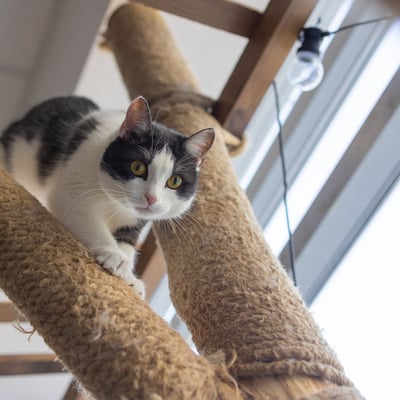
Don't let allergies stop your family from adopting a pet. Learn about hypoallergenic breeds and proven allergy management strategies.

Learn the complete vaccination schedule for your rescue pet, from puppy shots to adult boosters. Essential health timeline every new …
Every pet is an individual. For specifics on temperament and history, contact the rescue organization caring for the dog you're interested in.

No commitment. Cancel anytime.
Get ALL premium features listed above
Subscriptions will automatically renew unless canceled within 24-hours before the end of the current period. You can cancel anytime with your account settings. Any unused portion of a free trial period will be forfeited if you purchase a subscription.