













How to Introduce a Rescue Dog to Your Resident Cat
Worried your cat won't accept a new rescue dog? With the right introduction strategy, many dogs and cats learn to …
Read More →
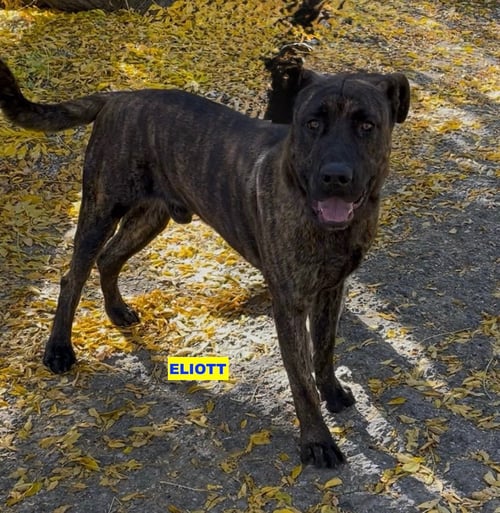
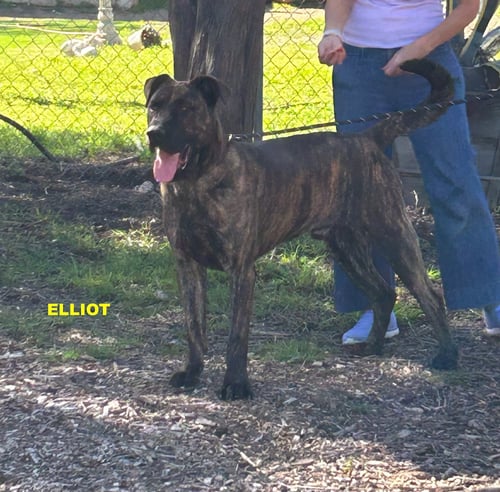
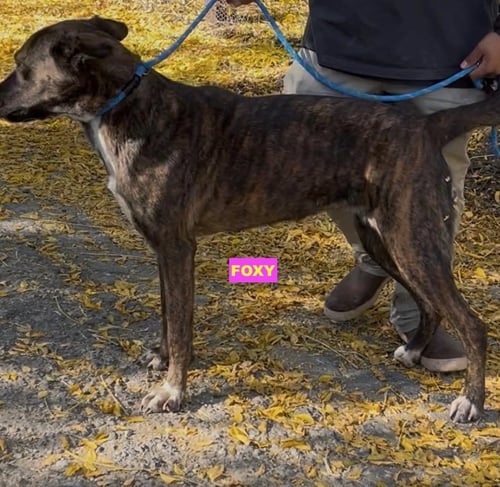
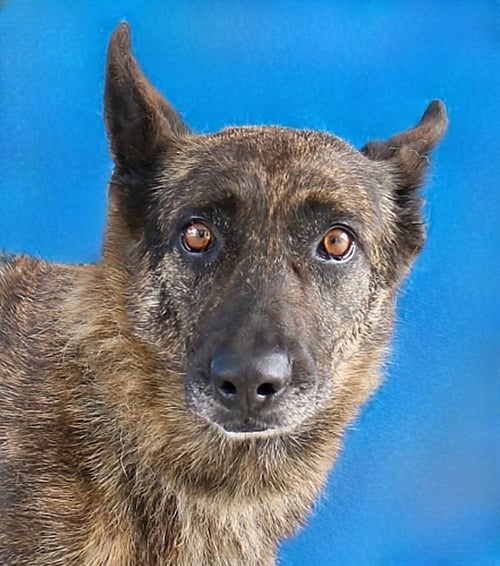
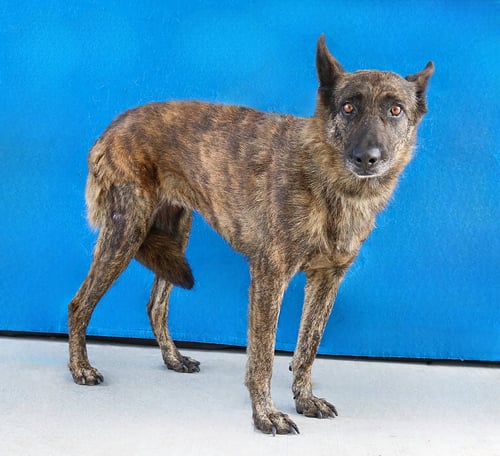
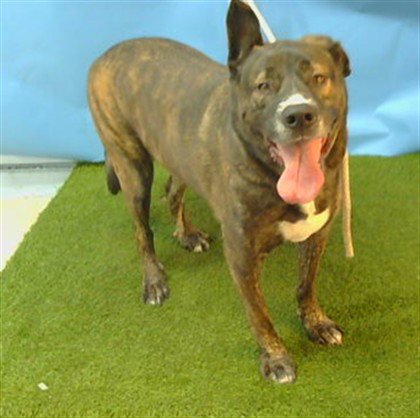
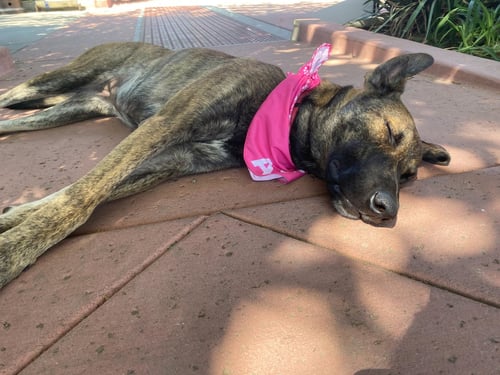
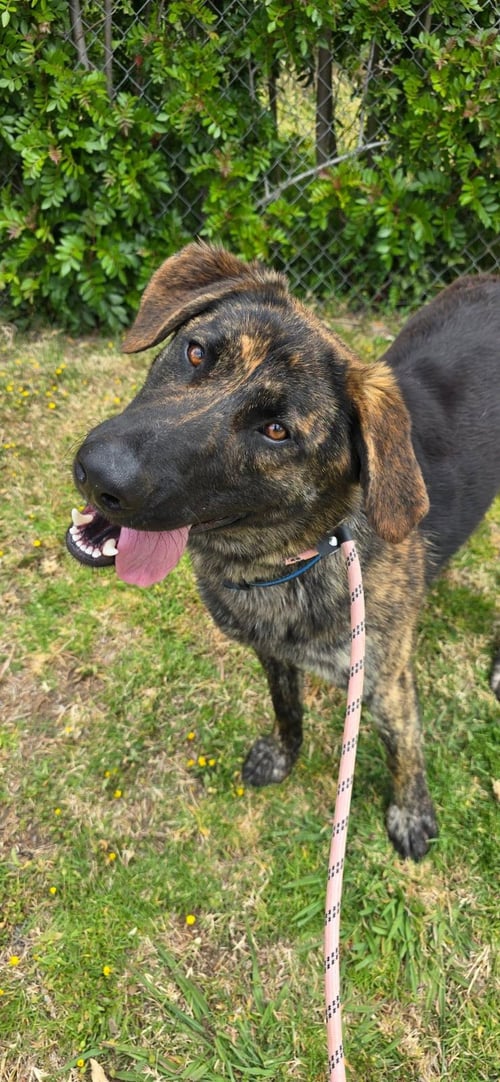
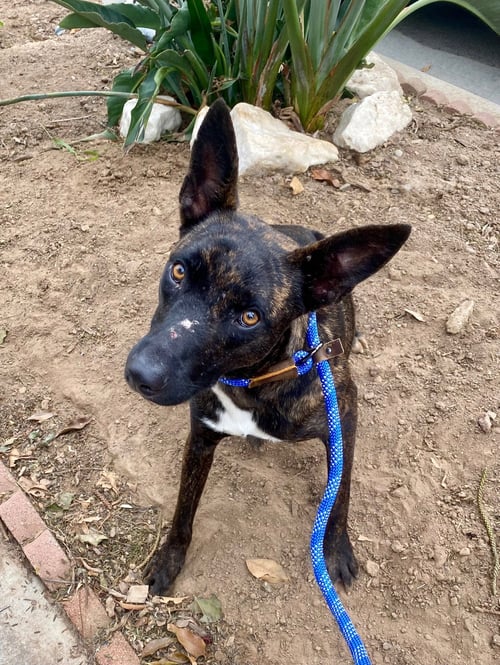
The Dutch Shepherd is a medium-sized, intelligent and versatile breed, originally used for herding in the Netherlands. They are known for their loyalty, alertness, and natural protective instinct, making them excellent family pets and working dogs. They have a life expectancy of 12-15 years and are generally healthy, but like all breeds, they are prone to certain health conditions. They require regular exercise to keep them fit and mentally stimulated. Their grooming needs are moderate and depend on their coat type, which can be short, long, or rough. They are highly trainable and sociable, but their high energy levels and intelligence mean they need a dedicated owner who can provide them with the necessary training and socialization.
The Dutch Shepherd is a rare breed. In fact, it was nearly extinct before World War II and was saved by breed enthusiasts.
When adopting a Dutch Shepherd, ensure you can provide them with plenty of exercise and mental stimulation. They are best suited to active families or individuals with previous dog experience. Early socialization and obedience training are also crucial for this breed.
Dutch Shepherds have a life expectancy of 12-15 years.
Dutch Shepherds are medium-sized dogs. Males stand between 22.5 and 24.5 inches at the shoulder, while females stand between 21.5 and 23.5 inches. They weigh between 45 and 75 pounds.
Dutch Shepherds are known for their loyalty, alertness, and natural protective instinct. They are excellent family pets and are good with children and other pets when properly socialized.
This breed is very active and requires regular exercise to keep them fit and mentally stimulated. They enjoy activities such as walking, running, playing fetch, and participating in dog sports.
Their grooming needs are moderate and depend on their coat type. Short and long-coated Dutch Shepherds require weekly brushing, while rough-coated ones need less frequent, but more specialized grooming.
Dutch Shepherds have a life expectancy of 12-15 years.
They are generally healthy, but like all breeds, they are prone to certain health conditions. Potential health issues include hip dysplasia, elbow dysplasia, and thyroid disorders.
Dutch Shepherds are highly intelligent and quick learners. They excel in various dog sports and working roles, such as search and rescue, police work, and service roles.
Their intelligence and eagerness to please make them highly trainable. However, they can be stubborn at times, so they need a firm, consistent hand in training.
Dutch Shepherds are sociable dogs that get along well with humans and other animals. However, they can be reserved with strangers and need proper socialization from a young age.






Worried your cat won't accept a new rescue dog? With the right introduction strategy, many dogs and cats learn to …
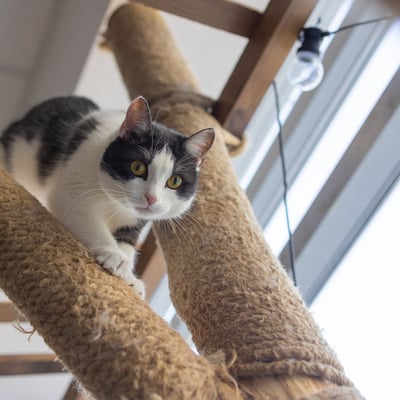
Don't let allergies stop your family from adopting a pet. Learn about hypoallergenic breeds and proven allergy management strategies.
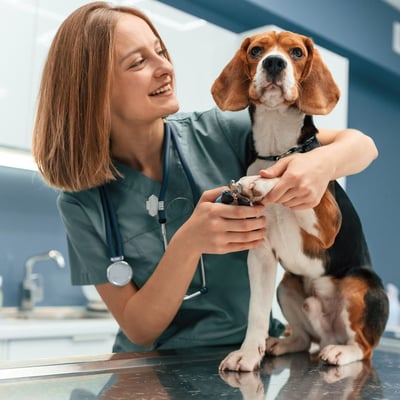
Learn the complete vaccination schedule for your rescue pet, from puppy shots to adult boosters. Essential health timeline every new …
Every pet is an individual. For specifics on temperament and history, contact the rescue organization caring for the dog you're interested in.

No commitment. Cancel anytime.
Get ALL premium features listed above
Subscriptions will automatically renew unless canceled within 24-hours before the end of the current period. You can cancel anytime with your account settings. Any unused portion of a free trial period will be forfeited if you purchase a subscription.