













Clear The Shelters 2026: 135,000+ Adoptions and the Technology Behind Them
Clear The Shelters 2026 helped 135,000+ pets find homes. See the national results, local wins, and how WeRescue powered the …
Read More →
The Dogue de Bordeaux, also known as the French Mastiff, is a powerful and muscular breed known for its loyalty, affection, and protective nature. They are large dogs with a distinctive wrinkled face and a serious expression. Despite their imposing appearance, they are generally gentle and patient, making them suitable for families. However, they require a confident owner who can provide consistent training and socialization. They are not a high-energy breed but do require regular exercise to maintain their health. Their short coat is easy to groom, but they are known to drool. They have a shorter life expectancy and are prone to certain health conditions. They are intelligent dogs but can be stubborn, requiring patience and positive reinforcement during training. They are generally sociable and get along well with family members, but early socialization is important to ensure they are comfortable around strangers and other animals.
The Dogue de Bordeaux starred in the 1989 Tom Hanks movie 'Turner and Hooch'. The dog's character, Hooch, was a Dogue de Bordeaux.
When adopting a Dogue de Bordeaux, consider their size and exercise needs. They require a home with enough space to move comfortably. They are not suitable for apartments due to their size. Potential adopters should be prepared for their drooling and potential health issues. It's also important to provide them with consistent training and socialization from a young age.
The Dogue de Bordeaux has a shorter life expectancy, typically living between 5 to 8 years.
The Dogue de Bordeaux is a large breed. Males can weigh up to 150 pounds and stand up to 27 inches at the shoulder, while females are slightly smaller.
They are known for their loyalty and protective nature. They are generally calm and patient, but can be wary of strangers. They are good with children and can be very affectionate with their family.
Despite their size, they are not a high-energy breed. However, they do require regular exercise to maintain their health and prevent obesity. A daily walk and playtime in a secure area are usually sufficient.
Their short coat is easy to groom, requiring only occasional brushing. However, they are known to drool, which may require additional clean-up.
The Dogue de Bordeaux has a shorter life expectancy, typically living between 5 to 8 years.
They are prone to certain health conditions, including hip dysplasia, heart conditions, and certain types of cancer. Regular vet check-ups and a healthy diet are important for this breed.
They are intelligent dogs, but can be stubborn. They benefit from mental stimulation such as puzzle toys and training exercises.
Training a Dogue de Bordeaux requires patience and consistency. They respond best to positive reinforcement methods. Early socialization and obedience training are important for this breed.
They are generally sociable and get along well with family members. Early socialization is important to ensure they are comfortable around strangers and other animals.
Clear The Shelters 2026 helped 135,000+ pets find homes. See the national results, local wins, and how WeRescue powered the …

Worried your cat won't accept a new rescue dog? With the right introduction strategy, many dogs and cats learn to …
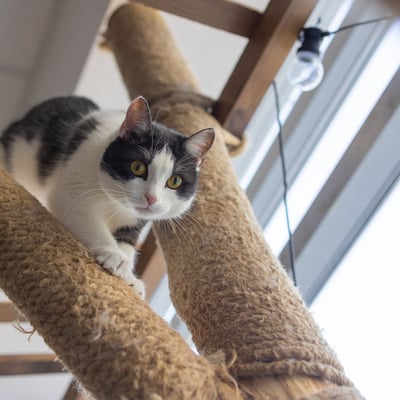
Don't let allergies stop your family from adopting a pet. Learn about hypoallergenic breeds and proven allergy management strategies.
Every pet is an individual. For specifics on temperament and history, contact the rescue organization caring for the dog you're interested in.

No commitment. Cancel anytime.
Get ALL premium features listed above
Subscriptions will automatically renew unless canceled within 24-hours before the end of the current period. You can cancel anytime with your account settings. Any unused portion of a free trial period will be forfeited if you purchase a subscription.