













How to Introduce a Rescue Dog to Your Resident Cat
Worried your cat won't accept a new rescue dog? With the right introduction strategy, many dogs and cats learn to …
Read More →
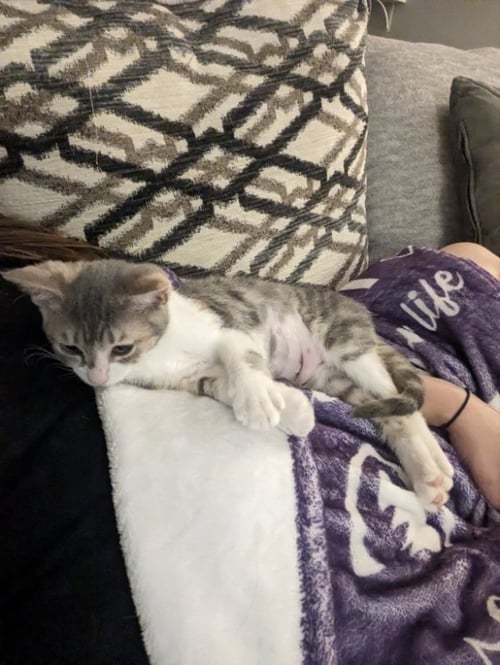
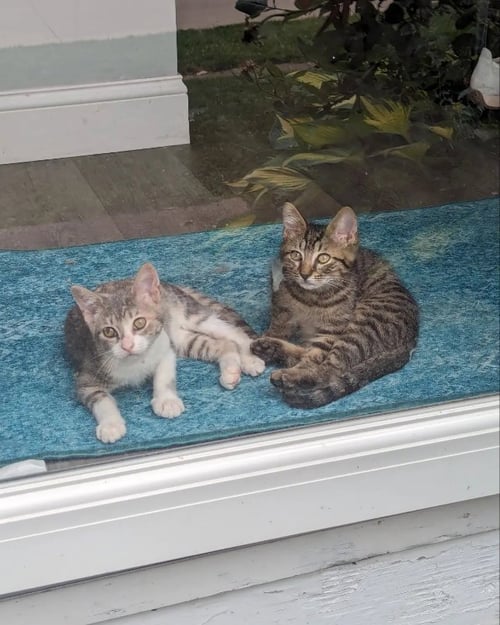
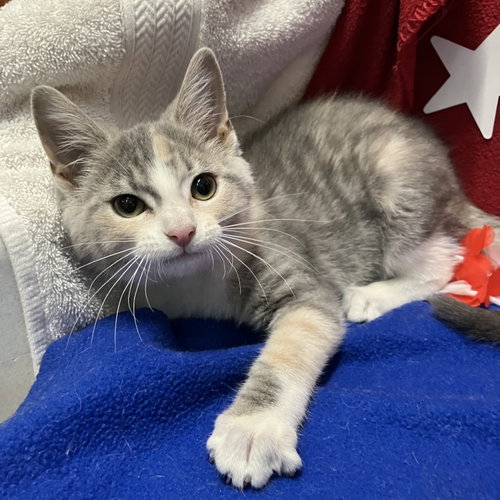
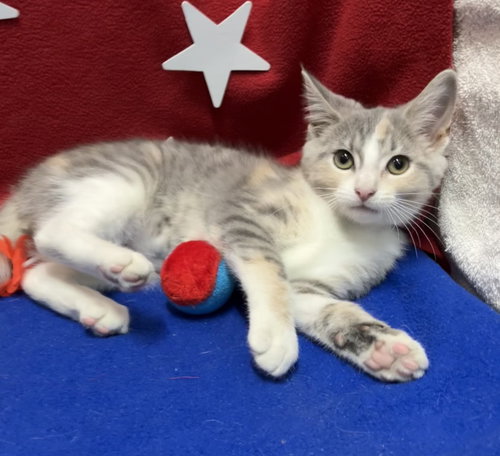
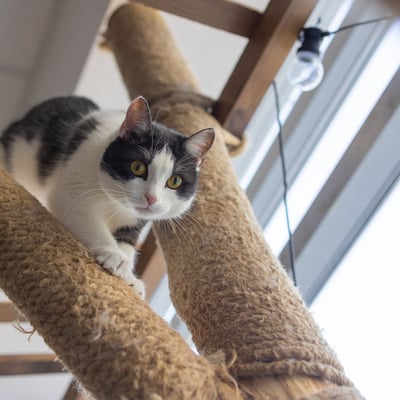
The Dilute Calico is not a breed but a color pattern that can occur in many different breeds of domestic cats. They are known for their distinctive tri-color coat, which is a softer version of the standard Calico with colors like blue, cream, and white. These cats are often female due to the genetic trait linked to the X chromosome. The personality, size, and other characteristics of a Dilute Calico can vary greatly depending on the breed of the cat. However, many Dilute Calicos are known for their playful, affectionate, and sociable nature. They are intelligent cats that can be trained with patience and positive reinforcement.
The Dilute Calico's unique color pattern is due to a genetic trait that is linked to the X chromosome, which is why most of these cats are female.
When adopting a Dilute Calico, consider the breed of the cat as this can greatly influence their size, temperament, and care needs. Make sure to provide plenty of playtime and mental stimulation to keep this intelligent and active cat happy.
A dilute calico has the same tri-color pattern as a standard calico, but in softer, muted tones. Where a regular calico has bold patches of white, black, and orange, a dilute calico wears blue-gray (instead of black), cream (instead of orange), and white. The effect is a pastel, watercolor-like coat that's truly distinctive.
Yes, dilute calicos are less common than standard calicos because the dilute pattern requires a recessive gene — both parents must carry it for kittens to show the muted coloring. They aren't as rare as male calicos, but they're noticeably uncommon in shelters and rescues, which is part of what makes spotting one so memorable.
Yes — approximately 99.97% of dilute calico cats are female. The calico pattern (orange and black tones, including the dilute cream and blue-gray versions) requires two X chromosomes, so a cat needs to be genetically female to display it. Male dilute calicos do exist, but they're extraordinarily rare — about 1 in 3,000 — and typically carry an XXY chromosome configuration (Klinefelter syndrome), which leaves most of them sterile.
The life expectancy of a Dilute Calico can vary, but on average, domestic cats live between 10 to 15 years.
The size of a Dilute Calico can vary greatly depending on the breed. They can range from small to large, with weights varying from 6 to 16 pounds.
Dilute Calicos are often playful, affectionate, and sociable. They can be independent at times but also enjoy the company of their human family.
These cats are generally active and playful, requiring daily play sessions and mental stimulation to keep them happy and healthy.
Grooming needs can vary based on the breed. Short-haired Dilute Calicos may require weekly brushing, while long-haired ones may need daily grooming to prevent matting and hairballs.
The life expectancy of a Dilute Calico can vary, but on average, domestic cats live between 10 to 15 years.
Health issues can vary based on the breed of the cat. Regular vet check-ups and a balanced diet are essential for their overall health.
Dilute Calicos are often intelligent and curious, enjoying interactive toys and puzzles.
With patience and positive reinforcement, Dilute Calicos can be trained to perform tricks and follow commands.
These cats are often sociable and enjoy the company of their human family. They can get along well with other pets if properly introduced.
Worried your cat won't accept a new rescue dog? With the right introduction strategy, many dogs and cats learn to …
Don't let allergies stop your family from adopting a pet. Learn about hypoallergenic breeds and proven allergy management strategies.

Learn the complete vaccination schedule for your rescue pet, from puppy shots to adult boosters. Essential health timeline every new …
Every pet is an individual. For specifics on temperament and history, contact the rescue organization caring for the cat you're interested in.

No commitment. Cancel anytime.
Get ALL premium features listed above
Subscriptions will automatically renew unless canceled within 24-hours before the end of the current period. You can cancel anytime with your account settings. Any unused portion of a free trial period will be forfeited if you purchase a subscription.