













How to Introduce a Rescue Dog to Your Resident Cat
Worried your cat won't accept a new rescue dog? With the right introduction strategy, many dogs and cats learn to …
Read More →
The Chocolate Labrador Retriever is a friendly, outgoing, and high-energy breed that is perfect for active families. They are large dogs known for their intelligence and trainability, making them excellent working dogs and family pets. They have a short, dense coat that is easy to groom but sheds seasonally. Chocolate Labs are generally healthy but can be prone to certain genetic conditions. They are social animals that get along well with other pets and people, making them a great addition to any home.
The Labrador Retriever has been the most popular dog breed in America for more than 25 years in a row!
When adopting a Chocolate Lab, make sure you have enough time and energy to devote to their exercise needs. They are also a large breed, so they need plenty of space to move around. Lastly, be prepared for a loving and affectionate companion who will want to be involved in all aspects of family life.
Chocolate Labrador Retrievers are medium-to-large dogs. Adult males typically weigh 65-80 pounds and stand 22.5-24.5 inches at the shoulder; females weigh 55-70 pounds and stand 21.5-23.5 inches. They reach full height around 12-18 months but continue to fill out muscularly until about age 2.
Yes. Chocolate Labradors are consistently ranked among the top family dog breeds in the United States. They're patient with children, social with other dogs, and rarely aggressive. The main caveat is energy: a Chocolate Lab without daily exercise can become bored and destructive, so they're best suited to active families.
Yes. Chocolate Labs are working retrievers bred for long days of hunting and water work, and that drive carries through to family life. Plan for at least 60-90 minutes of vigorous exercise per day. Walks alone usually aren't enough. They thrive on fetch, swimming, and dog sports, and tend to mellow noticeably around age 4-5.
The average lifespan of a Chocolate Labrador Retriever is 10-12 years, which is typical for a dog of their size.
Chocolate Labrador Retrievers are a large breed. Males typically weigh between 65-80 pounds, while females weigh between 55-70 pounds. They stand about 22.5 to 24.5 inches tall at the shoulder.
Chocolate Labs are known for their friendly and outgoing nature. They are very affectionate and love to be part of family activities. They are also known for their patience and gentleness, making them great with children.
This breed is very active and requires a lot of exercise. They love to play fetch, swim, and go on long walks or runs. Without enough exercise, they can become bored and destructive.
Chocolate Labs have a short, dense coat that is easy to groom. They do shed seasonally, so regular brushing is recommended to keep shedding to a minimum.
The average lifespan of a Chocolate Labrador Retriever is 10-12 years, which is typical for a dog of their size.
Chocolate Labs are generally healthy, but they can be prone to certain genetic conditions like hip and elbow dysplasia, eye conditions, and heart problems. Regular vet check-ups and a healthy diet can help prevent these issues.
Chocolate Labs are very intelligent and eager to please, which makes them highly trainable. They excel in obedience, agility, and field trials.
Thanks to their intelligence and eagerness to please, Chocolate Labs are highly trainable. They respond well to positive reinforcement training methods.
Chocolate Labs are very social animals. They get along well with other pets and people, and they love to be part of the family's activities.



Worried your cat won't accept a new rescue dog? With the right introduction strategy, many dogs and cats learn to …
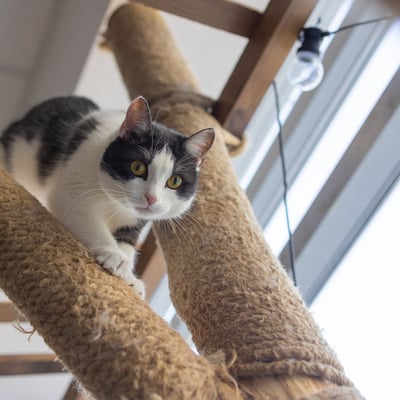
Don't let allergies stop your family from adopting a pet. Learn about hypoallergenic breeds and proven allergy management strategies.

Learn the complete vaccination schedule for your rescue pet, from puppy shots to adult boosters. Essential health timeline every new …
Every pet is an individual. For specifics on temperament and history, contact the rescue organization caring for the dog you're interested in.

No commitment. Cancel anytime.
Get ALL premium features listed above
Subscriptions will automatically renew unless canceled within 24-hours before the end of the current period. You can cancel anytime with your account settings. Any unused portion of a free trial period will be forfeited if you purchase a subscription.