













How to Introduce a Rescue Dog to Your Resident Cat
Worried your cat won't accept a new rescue dog? With the right introduction strategy, many dogs and cats learn to …
Read More →
The Britannia Petite is a small, energetic breed of rabbit that is known for its distinctive arched body shape and bold personality. They are a high-maintenance breed that requires a lot of attention and care, but they can also be very rewarding pets for the right owner. They are intelligent and can be trained, but they are also known to be a bit stubborn. They are generally healthy, but they do have a shorter life expectancy than some other breeds. They are not the most social breed, but they can get along with other pets if properly introduced.
The Britannia Petite was originally bred in England for show purposes, and it is still a popular breed in rabbit shows today.
When adopting a Britannia Petite, it's important to be prepared for their high energy levels and need for mental stimulation. They require a lot of attention and care, so they are best suited to an owner who has the time and resources to devote to them. It's also important to have a secure, spacious area for them to exercise and play.
The average lifespan of a Britannia Petite is between 5 to 7 years, which is shorter than many other rabbit breeds. However, with proper care and attention, some Britannia Petites have been known to live longer.
The Britannia Petite is one of the smallest rabbit breeds, typically weighing between 2 to 2.5 pounds. Their small size makes them easy to handle, but they are also more fragile and prone to injury.
Britannia Petites are known for their bold and energetic personalities. They are very active and curious, and they require a lot of mental stimulation to keep them happy. They can be a bit stubborn and independent, but they are also very intelligent and can be quite affectionate with their owners.
Due to their high energy levels, Britannia Petites require a lot of exercise. They need a large, secure area where they can run and play, and they also enjoy toys and other forms of mental stimulation.
Britannia Petites have short, dense fur that requires regular grooming to keep it healthy and prevent matting. They also need their nails trimmed regularly, and they may require dental care due to their propensity for dental issues.
The average lifespan of a Britannia Petite is between 5 to 7 years, which is shorter than many other rabbit breeds. However, with proper care and attention, some Britannia Petites have been known to live longer.
Britannia Petites are generally healthy, but they are prone to dental issues due to their small size. They can also be prone to obesity if they do not get enough exercise or if they are fed a poor diet.
Britannia Petites are very intelligent and curious. They enjoy problem-solving activities and can be trained to perform tricks and use a litter box.
While they are intelligent, Britannia Petites can also be stubborn and independent. They can be trained, but it requires patience and consistency.
Britannia Petites are not the most social breed, but they can get along with other pets if properly introduced. They are best suited to a home where they can be the center of attention.
Worried your cat won't accept a new rescue dog? With the right introduction strategy, many dogs and cats learn to …
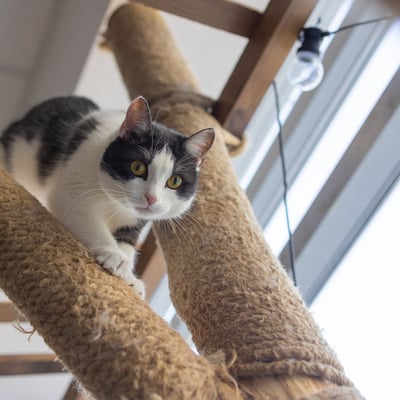
Don't let allergies stop your family from adopting a pet. Learn about hypoallergenic breeds and proven allergy management strategies.

Learn the complete vaccination schedule for your rescue pet, from puppy shots to adult boosters. Essential health timeline every new …
Every pet is an individual. For specifics on temperament and history, contact the rescue organization caring for the dog you're interested in.

No commitment. Cancel anytime.
Get ALL premium features listed above
Subscriptions will automatically renew unless canceled within 24-hours before the end of the current period. You can cancel anytime with your account settings. Any unused portion of a free trial period will be forfeited if you purchase a subscription.