













How to Introduce a Rescue Dog to Your Resident Cat
Worried your cat won't accept a new rescue dog? With the right introduction strategy, many dogs and cats learn to …
Read More →
The Birman, also known as the 'Sacred Cat of Burma', is a medium to large-sized breed known for its striking appearance and friendly disposition. They have a muscular body, deep blue almond-shaped eyes, and a medium-long silky coat that doesn't mat, making them relatively low-maintenance in terms of grooming. Birmans are intelligent, affectionate, and sociable cats that enjoy the company of their human family members and get along well with other pets. They are generally healthy, but like all breeds, they are prone to certain genetic conditions. They are moderately active and enjoy interactive play, but they are not overly demanding in terms of exercise.
Unlike many other cat breeds, Birmans are known for their 'white gloves' - all four of their paws are white, which is a unique characteristic of this breed.
When adopting a Birman, it's important to ensure that they come from a reputable breeder who tests for health conditions common in the breed. Birmans are sociable cats, so they will appreciate a home where they will receive plenty of attention and interaction.
Birmans typically live between 12 to 16 years, although some can live into their late teens with proper care and regular veterinary check-ups.
Birmans are medium to large-sized cats. Males typically weigh between 10 to 15 pounds, while females are slightly smaller, usually weighing between 6 to 10 pounds.
Birmans are known for their friendly, gentle, and affectionate temperament. They are very sociable and enjoy being around their human family members.
Birmans have a moderate activity level. They enjoy interactive play and will appreciate toys and games, but they are not overly demanding in terms of exercise.
Despite their medium-long coat, Birmans are relatively low-maintenance in terms of grooming. Their silky coat does not mat easily, but regular brushing is still recommended to keep it looking its best.
Birmans typically live between 12 to 16 years, although some can live into their late teens with proper care and regular veterinary check-ups.
Birmans are generally healthy, but like all breeds, they are prone to certain genetic conditions. Potential health issues include hypertrophic cardiomyopathy (HCM), polycystic kidney disease (PKD), and hip dysplasia.
Birmans are intelligent cats that enjoy interactive play and puzzle toys. They are quick learners and can be trained to perform tricks or use a litter box.
Thanks to their intelligence and desire to please, Birmans are relatively easy to train. They respond well to positive reinforcement techniques.
Birmans are very sociable cats that enjoy the company of their human family members. They also get along well with other pets, making them a good choice for multi-pet households.
Worried your cat won't accept a new rescue dog? With the right introduction strategy, many dogs and cats learn to …
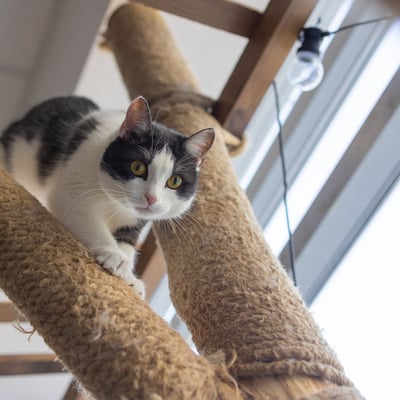
Don't let allergies stop your family from adopting a pet. Learn about hypoallergenic breeds and proven allergy management strategies.

Learn the complete vaccination schedule for your rescue pet, from puppy shots to adult boosters. Essential health timeline every new …
Every pet is an individual. For specifics on temperament and history, contact the rescue organization caring for the cat you're interested in.

No commitment. Cancel anytime.
Get ALL premium features listed above
Subscriptions will automatically renew unless canceled within 24-hours before the end of the current period. You can cancel anytime with your account settings. Any unused portion of a free trial period will be forfeited if you purchase a subscription.