













Clear The Shelters 2026: 135,000+ Adoptions and the Technology Behind Them
Clear The Shelters 2026 helped 135,000+ pets find homes. See the national results, local wins, and how WeRescue powered the …
Read More →
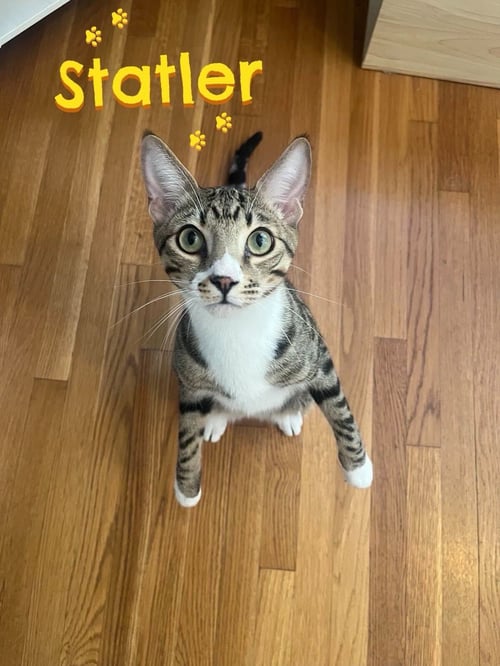
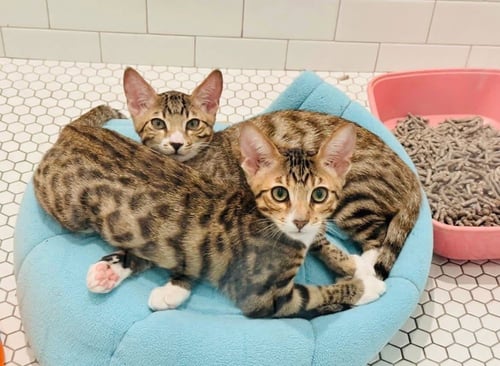
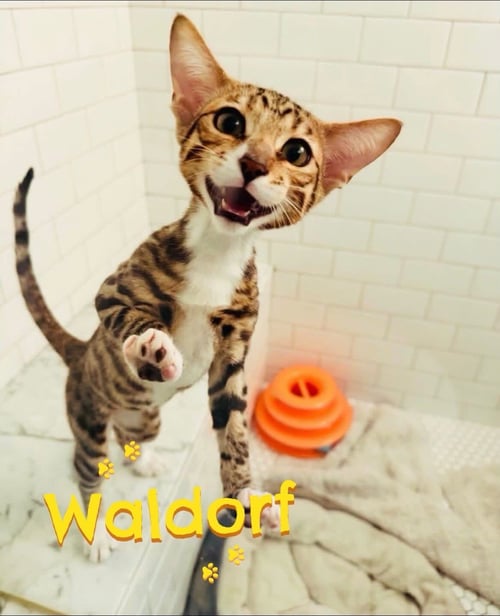
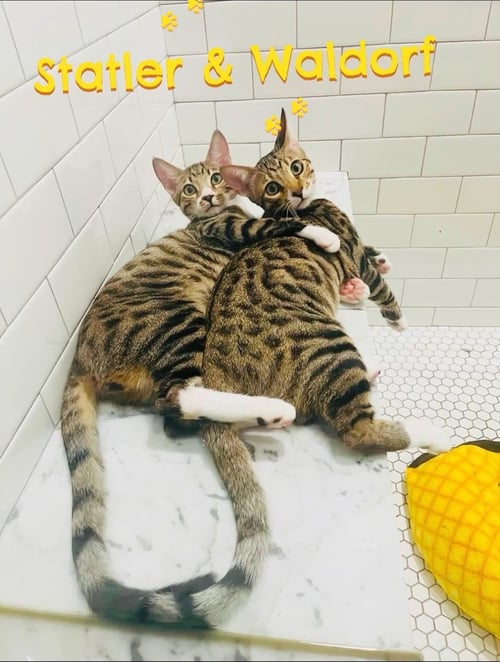
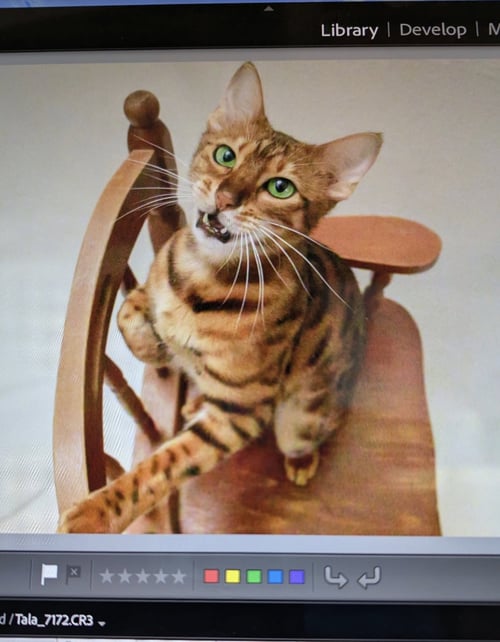
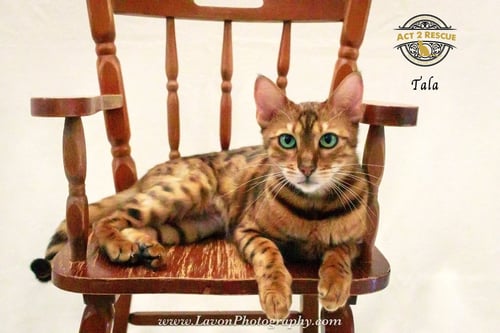
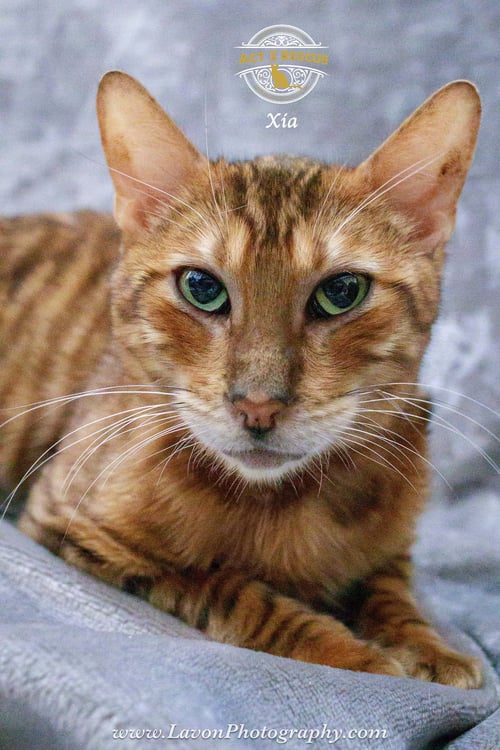
The Bengal is a unique and exotic breed that is known for its strikingly beautiful and wild appearance. They are medium to large-sized cats with a muscular build and distinctive spotted or marbled coat that resembles that of a wild leopard. Bengals are highly active, playful, and intelligent cats that require a lot of mental and physical stimulation. They are generally healthy but can be prone to certain genetic conditions. Bengals are highly trainable and sociable, making them a great choice for families with children and other pets. However, they require a lot of attention and may not be suitable for those who cannot devote enough time to them.
The Bengal breed was created by crossing a domestic feline with an Asian leopard cat, a small wild cat species. This is why they have such a distinctive and exotic appearance.
When adopting a Bengal, make sure you can provide plenty of physical and mental stimulation to keep them happy and healthy. They will also need a lot of attention and interaction, so they may not be the best choice if you are often away from home. It's also important to ensure you are adopting from a reputable breeder or rescue organization that has tested for common genetic conditions in the breed.
The average lifespan of a Bengal cat is between 12-16 years, although some can live longer with proper care.
Bengals are medium to large-sized cats. Males typically weigh between 10-15 pounds, while females are slightly smaller, weighing between 8-12 pounds.
Bengals are known for their playful, energetic, and confident temperament. They are also very affectionate and love to be involved in their family's activities.
Bengals are highly active cats that require a lot of physical exercise. They love to climb, jump, and play and will need plenty of toys and a cat tree to keep them entertained.
Bengals have a short and sleek coat that requires minimal grooming. A weekly brush will help to remove loose hairs and keep their coat looking its best.
The average lifespan of a Bengal cat is between 12-16 years, although some can live longer with proper care.
Bengals are generally healthy cats but can be prone to certain genetic conditions such as progressive retinal atrophy and hypertrophic cardiomyopathy. Regular vet check-ups are essential to ensure their ongoing health.
Bengals are highly intelligent cats that enjoy problem-solving activities and interactive toys. They are quick learners and can even be trained to perform tricks.
Thanks to their intelligence, Bengals are highly trainable. They respond well to positive reinforcement and can be taught a variety of commands and tricks.
Bengals are very sociable cats that enjoy the company of their human family members as well as other pets. They are not typically shy or aloof and will often seek out interaction.

Clear The Shelters 2026 helped 135,000+ pets find homes. See the national results, local wins, and how WeRescue powered the …
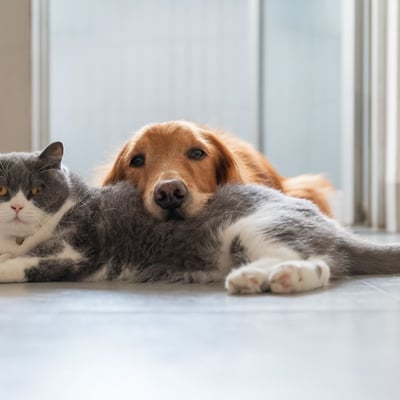
Worried your cat won't accept a new rescue dog? With the right introduction strategy, many dogs and cats learn to …
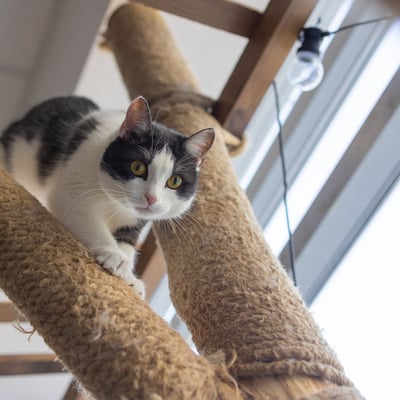
Don't let allergies stop your family from adopting a pet. Learn about hypoallergenic breeds and proven allergy management strategies.
Every pet is an individual. For specifics on temperament and history, contact the rescue organization caring for the cat you're interested in.

No commitment. Cancel anytime.
Get ALL premium features listed above
Subscriptions will automatically renew unless canceled within 24-hours before the end of the current period. You can cancel anytime with your account settings. Any unused portion of a free trial period will be forfeited if you purchase a subscription.