












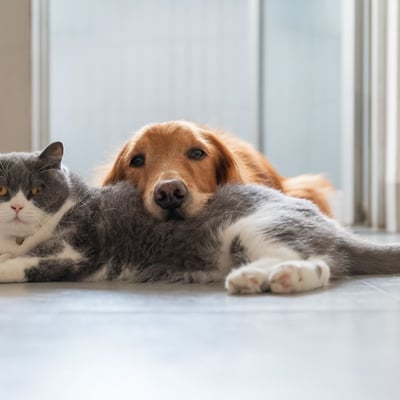
How to Introduce a Rescue Dog to Your Resident Cat
Worried your cat won't accept a new rescue dog? With the right introduction strategy, many dogs and cats learn to …
Read More →
The Angora breed, often associated with cats, is known for its long, silky fur and playful, affectionate nature. They are medium-sized pets that are intelligent, sociable, and relatively easy to train. They require a moderate amount of exercise and high grooming needs due to their long hair. Angoras are generally healthy but can be prone to certain genetic conditions. They have a good life expectancy and are known for their sociability. Potential adopters should be prepared for a pet that requires regular grooming and enjoys being part of the family's activities.
The Angora breed is one of the oldest known cat breeds and is named after Ankara, the capital of Turkey, where they are believed to have originated.
When adopting an Angora, be prepared for a pet that requires regular grooming. They are sociable and active, so they will need plenty of interaction and playtime. As they can be prone to certain health conditions, potential adopters should ensure they are able to provide regular vet care.
Angoras have a good life expectancy, typically living between 12 to 16 years with proper care.
Angoras are medium-sized pets. They typically weigh between 5 to 9 pounds, with males being slightly larger than females.
Angoras are known for their playful and affectionate nature. They are friendly, outgoing, and enjoy being part of the family's activities.
Angoras require a moderate amount of exercise. They enjoy interactive play and should have access to toys and scratching posts to keep them active and engaged.
Due to their long, silky fur, Angoras have high grooming needs. They require regular brushing to prevent matting and hairballs.
Angoras have a good life expectancy, typically living between 12 to 16 years with proper care.
Angoras are generally healthy but can be prone to certain genetic conditions, including hypertrophic cardiomyopathy and ataxia. Regular vet check-ups are important to ensure their well-being.
Angoras are intelligent pets. They are quick learners and enjoy interactive toys and games that challenge their minds.
Angoras are relatively easy to train. They respond well to positive reinforcement and can learn commands and tricks with consistency and patience.
Angoras are sociable pets. They enjoy the company of their human family members and can get along well with other pets with proper socialization.
Worried your cat won't accept a new rescue dog? With the right introduction strategy, many dogs and cats learn to …
Don't let allergies stop your family from adopting a pet. Learn about hypoallergenic breeds and proven allergy management strategies.

Learn the complete vaccination schedule for your rescue pet, from puppy shots to adult boosters. Essential health timeline every new …
Every pet is an individual. For specifics on temperament and history, contact the rescue organization caring for the cat you're interested in.

No commitment. Cancel anytime.
Get ALL premium features listed above
Subscriptions will automatically renew unless canceled within 24-hours before the end of the current period. You can cancel anytime with your account settings. Any unused portion of a free trial period will be forfeited if you purchase a subscription.